Time-Saving New Ways To Travel From The U.S. To Croatia
May 12, 2021
Delta and United recently announced plans for non-stop service from the New York area to Dubrovnik, a UNESCO World Heritage site, and, as a filming location for Game of Thrones, a magnet for hundreds of thousands of fans of the show in recent years.
Wanda Radetti, founder and president of Tasteful Croatian Journeys, which specializes in custom itineraries to the country (Condé Nast Traveler has listed her as the World Top Destination Specialist for Croatia since 2006)…

Croatia’s 5 Most Beautiful Beaches
If you are craving a little vitamin sea, look no further than sunny Croatia! With over 1,000 miles of pristine coastline and more than 1,200 islands sprinkled throughout the Adriatic, this enchanting country has plenty to offer in the way of stunning natural beaches. From white sand lagoons on far-flung islands, to hidden pebble coves framed by towering cliffs, Croatia has a beach for every taste. Tasteful Croatian Journey’s team of luxury travel designers and destination specialists have scoured the country to find its very best beaches. We have searched far and wide to compose this list of idyllic escapes that aren’t just beautiful, they’re bucket list worthy! Each one is different and completely unique – an example of the astonishing variety to be found in Croatia – but what they all have in common is their jaw-dropping scenery and magnetic allure.
Get your cameras ready and prepare to be the envy of Instagram, because here are the 5 most breathtakingly beautiful beaches in Croatia…
5. Sakarun Beach
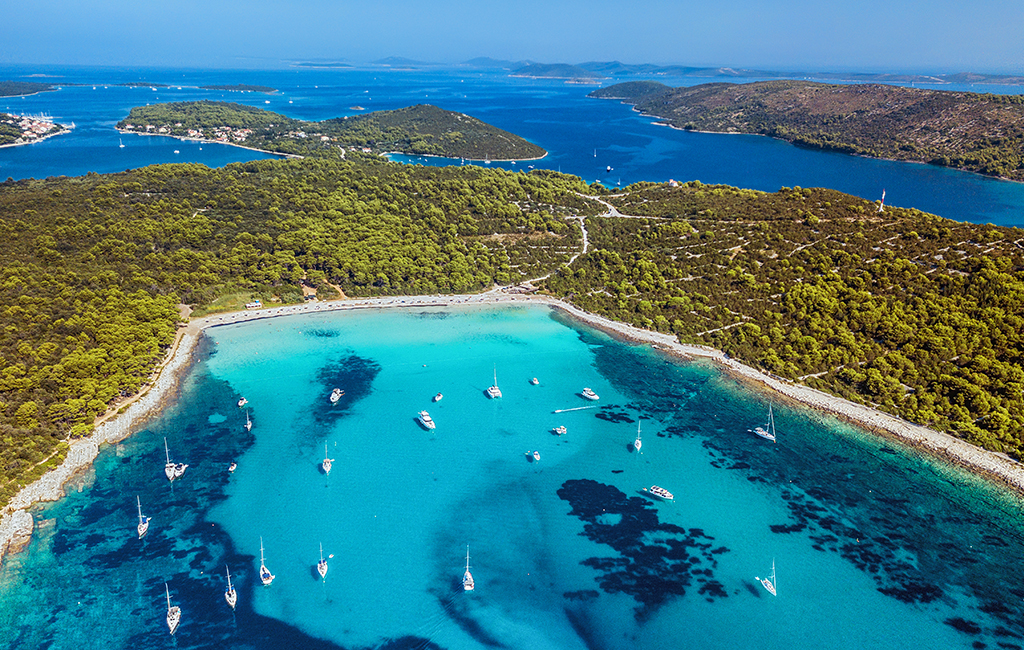
White sand and shallow waters on Dugi Otok Island
The rugged southern coast of Dugi Otok Island, home to the Telašćica Nature Park and gateway to the Kornati Islands, recently graced the cover of the April 2021 issue of Conde Nast Traveler, inviting readers to “Sail Away to Croatia” and bringing recognition to a little-known island still largely off the radar of most American travelers.
Nicknamed, “Long Island,” Dugi Otok is a slender stretch of land marked by great geographical diversity and contrast. In the south, you’ll find the magazine cover cliffs and raw, untamed nature. In the north, quiet coves and tranquil beaches, the most famous of which is Sakarun Beach. Known for its beautiful white sand (a rarity among Croatia’s mostly pebble beaches) and pristine turquoise waters, the half-mile long Sakarun Beach gives off some seriously Caribbean vibes. The beach is made up partially of smooth white stones, which make way for fine white pebbles, and finally pure white sand closer to the water’s edge. The sea floor is completely sandy, lending to the incredible turquoise hue of the water. The shallow bay faces south, inviting visitors to wade and bathe in the crystal-clear waters while enjoying unspoiled views of the open sea and the uninhabited western coast of the island. Some distance out, past a rope divider, sailboats and motor yachts drop anchor as happy passengers splash off their bows. Several small beach bars cater to visitors, offering refreshments and light meals as well as sun loungers and umbrellas for rent. Cradling the bay is a thick pine forest, giving the illusion of complete seclusion from the outside world. In reality, the nearest villages are no more than a bike ride away, with Božava, the largest, offering a miniature train to transport visitors back and forth from the beach. Parking is also available for those who choose to drive, however we recommend visiting by private yacht excursion from Zadar instead, as ferry connections can often be complicated and time consuming.
Sakarun Beach Overview
Also known as: Saharun Beach
Location: Dugi Otok Island
Nearest villages: Veli Rat, Verunić, Soline, and Božava
Nearest major city: Zadar (mainland)
Beach type: small pebbles and sand
Chairs & Umbrellas available for rent: yes
Facilities available: restroom, several beach bars offering refreshments, snacks, and light meals
Best way to visit: private yacht or speedboat – arrive in style and without the inconvenience of adhering to a ferry schedule!
4. Pasjača Beach
A hidden gem on Konavle’s coast
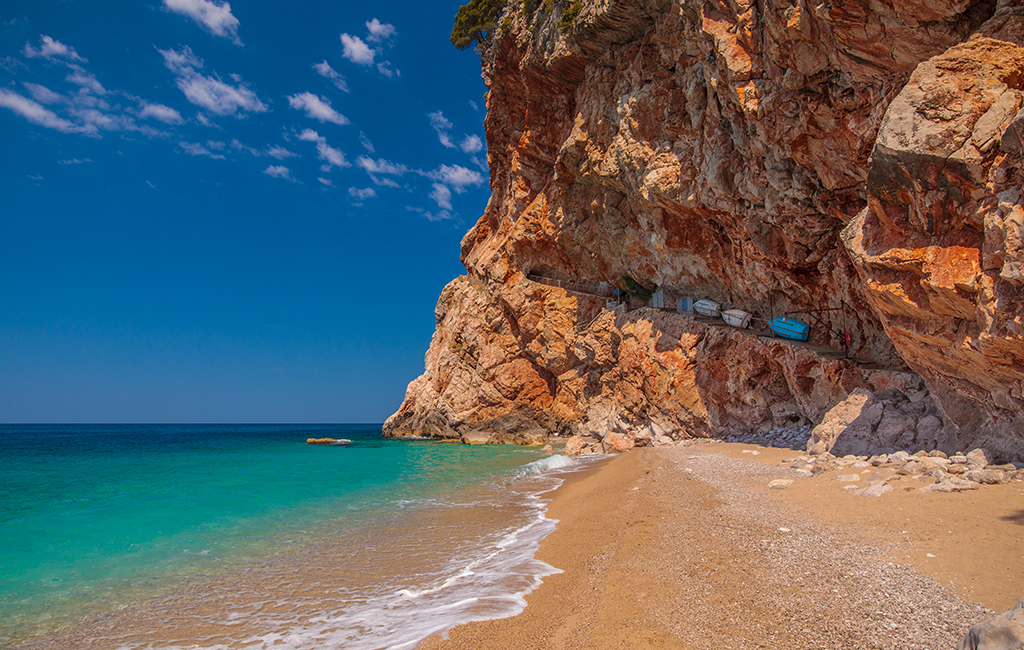
A trip to Pasjača Beach is not for the faint of heart! This picture-perfect beach can only be reached by a concrete foot path which hugs a sheer cliffside and descends more than 800 feet to the shore below. Precarious at times, the path winds downward, passing through a narrow tunnel carved into the rocks before ending in a combination of steps and stones… but however daunting this may seem, don’t be put off. Those who make the difficult trek will be rewarded, first by the spectacular viewpoints along the path, and next by the cool clear water lapping the shore.
Located in the municipality of Konavle, roughly 20 miles south of Dubrovnik, Pasjača Beach was formed through the marriage of man and nature. In 1955, a tunnel was built from an inland stream leading to the sea. The intention was to prevent the frequent flooding of nearby fields. The rocks that were excavated during the tunnel’s construction were discarded on the shore. Over time, the sea worked its magic, pounding the rocks into fine sand and creating this one-of-a-kind beach.
Although small in size, Pasjača Beach is impossibly picturesque, with a narrow strip of sand the only separation between imposing cliffs and translucent sea. Massive rocks in the water invite swimmers to sunbathe atop them and take in the rugged beauty which surrounds. Difficult to access, and with no facilities or amenities of any kind, Pasjača Beach attracts adventurers seeking an off-the-beaten-path oasis for relaxation and quiet. However, having been named the “Most Beautiful Beach in Europe” by Brussels-based tourism organization European Best Destinations in both 2019 and 2020, this once unknown beach may soon find increased crowds, so be sure to visit as soon as possible!
Pasjača Beach Overview
Location: Konavle Region
Nearest villages: Popovići
Nearest major cities: Cavtat, Dubrovnik
Beach type: sand, rocks, and gravel
Chairs & Umbrellas available for rent: no
Facilities available: none
Best way to visit: private car and driver – there’s no need to rent a car in Dubrovnik, as the city’s main sights are within the pedestrianized Old Town. Instead, hire a chauffeur for the day and stop at the beach for a few hours before exploring the surrounding region of Konavle.
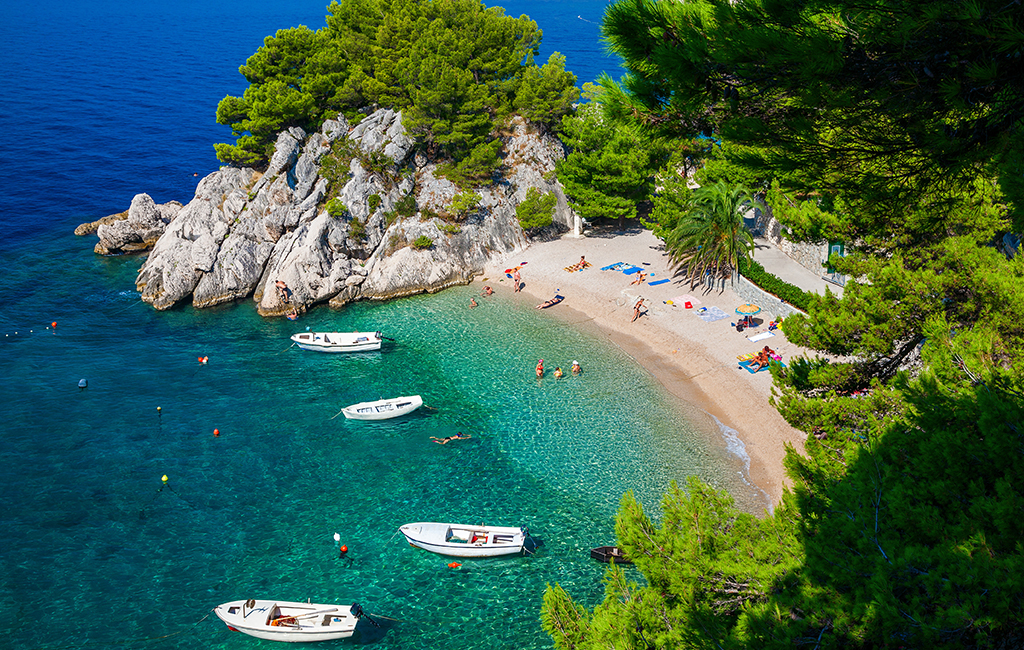
3. Podrače Beach
Proof that Paradise Still Exists on the Makarska Riviera
Postcard perfect Podrače Beach is one of the most photographed beaches in all of Croatia, and it’s not hard to see why! Mesmerizingly beautiful, the small pebble cove looks out upon shimmering jewel-toned water. Pine trees and tamarisks provide natural shade, protecting beach goers from the sweltering summer sun. In the distance, the Dinaric Alps prove a dramatic backdrop, sandwiched between the intense blue of sea and sky. Podrače Beach’s most notable feature is the large rock which forms a border at one side. The rock’s peak was once used to harvest salt by locals, who would evaporate seawater in its shallow pools. These days, it is simply an object of beauty to be admired, and sometimes, climbed.
This little slice of heaven can be found in the town of Brela, a seaside resort at the northern end of the ever-popular Makarska Riviera. Located between Omiš and the Neretva Delta (or more generally, between Split and Dubrovnik), the Makarska Riviera is a 38 mile stretch of coast home to several of Croatia’s most beautiful beaches and serving as a summer playground to sun and fun seeking tourists. Brela itself lays claim to roughly 4 miles of the riviera’s coast, boasting a lovely seaside walking path that links its chain of white pebble beaches. Within a short and pleasant walk from Podrače Beach, visitors will find the famous Kamen Brela (Brela Stone), a small rock island just off the shore, and the town’s main beach, Punta Rata. Also, along the promenade, an array of cafés, bars, and restaurants offer plenty of options for hungry beach goers to refresh and refuel. The entire area is wonderfully picturesque and a worthy excursion for travelers in need of a proper beach vacation.
Podrače Beach Overview
Often confused with: Punta Rata Beach (7 minute walk from Podrače Beach)
Location: Brela, Makarska Riviera
Nearest villages: Brela
Nearest major cities: Split
Beach type: pebbles and gravel
Chairs & Umbrellas available for rent: yes
Facilities available: showers, plenty of dining options within a short walk. No restroom on site.
Best way to visit: private car and driver – with no parking lot nearby, we recommend arranging chauffeured transfers to and from the beach. Even better, have your driver drop you off at the start of the seafront promenade and “beach hop” through the day, with pick up at your ending point.
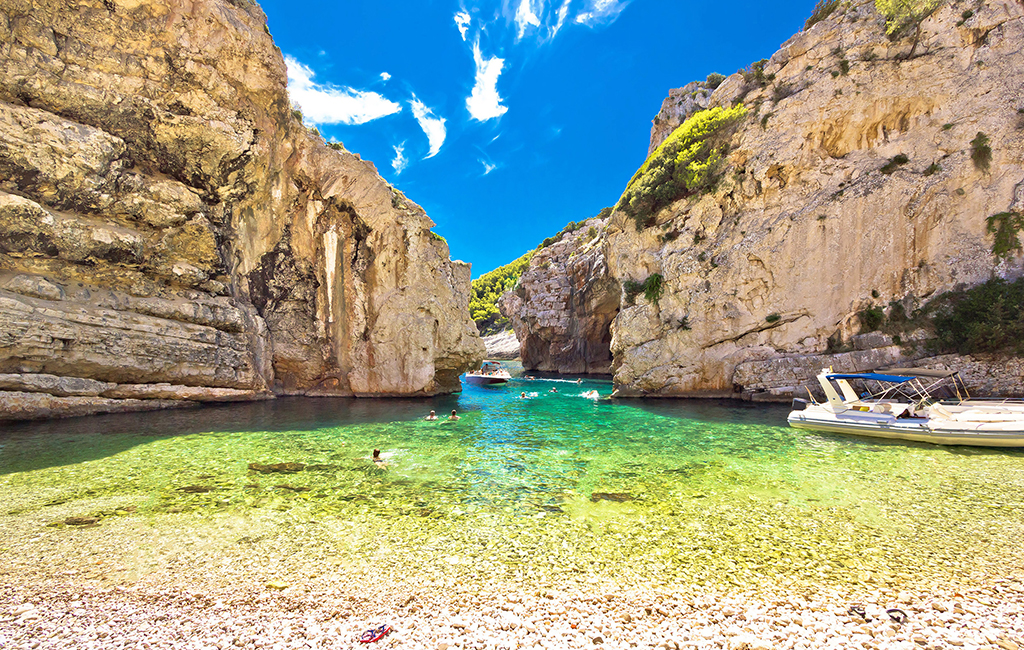
2. Stiniva Beach
Towering Cliffs Hide an Unspoiled Cove on the Island of Vis
Located on the jagged southern shore of Croatia’s most remote island, Stiniva Beach is a place of striking natural beauty. From the sea, it is almost completely hidden by formidable cliffs which shield the alluring cove from passing boats. However, once through the narrow gate formed by the limestone bluffs, the inlet opens to reveal a stunning pebble beach surrounded by rocky wilderness. Shimmering blue-green water and dramatic views make this one of Croatia’s most instagrammable beaches, though the remote location and general inaccessibility mean that only the most intrepid travelers venture there. Most visit by boat, undeterred by the fact that half of the beach is always in the shade, a consequence of the steep limestone walls which encircle the cove. In the shaded area, a small tavern caters to thirsty beach goers who revel in the beauty that surrounds them.
This beautiful, isolated beach is just one of many charms to be found on the island of Vis. Seemingly untouched by time, Vis is brimming with rustic charm, from the quaint fishing villages along its shores to the quiet hamlets sprinkled throughout its interior. Vineyards and citrus orchards cover the hilly island, the scent of wild rosemary perfuming its air. Until 1989, Vis was completely shut off from the outside world, serving first as a hideout for Tito and his partisans and later as a Yugoslav military base. Even after opening to outsiders, the island still retains a calm difficult to find elsewhere, no doubt due in part to its remote location roughly 30 miles off the Croatian mainland.
Movie buffs may recognize Vis from Mama Mia! Here We Go Again, where it starred as the fictional Greek island of Kalokairi. Many of the island’s main attractions are highlighted in the film, including seafood restaurant Konoba Jastožera, famous for its fresh lobster. However, despite the increased attention garnered from the movie, Vis remains largely undisturbed; a haven for travelers seeking simplicity and authenticity.
Stiniva Beach Overview
Location: Vis Island
Nearest villages: Marine Zemlje
Nearest towns: Vis Town, Komiža
Beach type: Stones, pebbles, and gravel
Chairs & Umbrellas available for rent: no
Facilities available: one small tavern offering meals and refreshments
Best way to visit: private yacht or speedboat – unless you’re interested in a treacherous 20 minute foot path which literally follows a goat track, the sea is the only way to access this stunning hidden inlet.
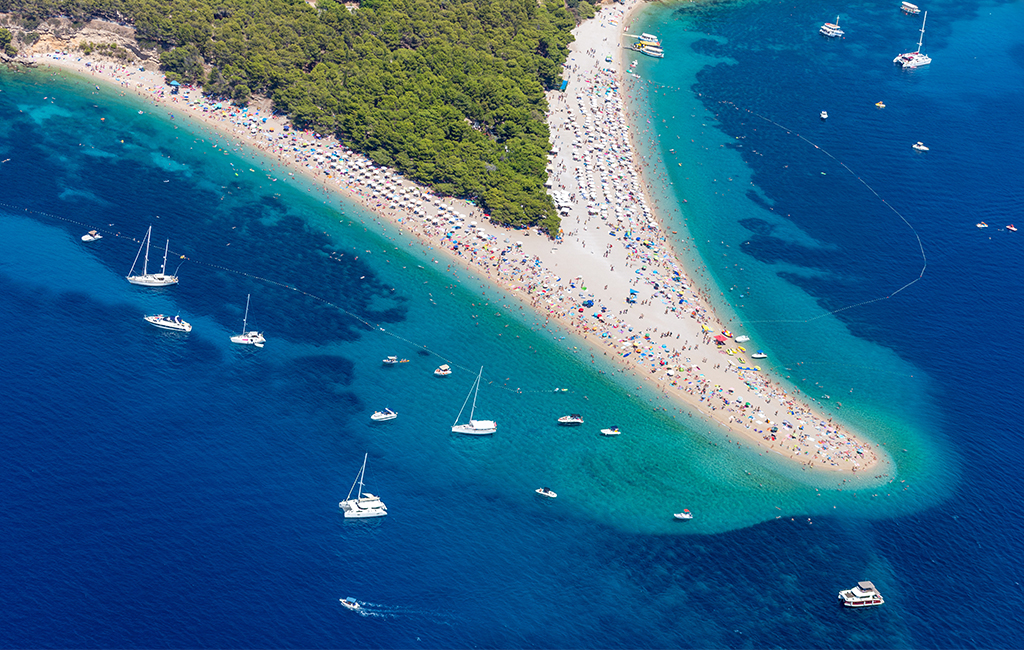
1. Zlatni Rat Beach
A natural phenomenon on the Island of Brač
There may be no more unique beach in the world than Brač island’s spectacular Zlatni Rat. Extending into the sea like a lizard’s tongue, this geomorphological wonder has become one of the most recognizable icons of Croatia’s natural scenery and a must-visit location for sun-seeking travelers. Stretching more than 1,500 feet into the shimmering aquamarine waters of the Adriatic, this smooth pebble beach is in a constant state of change. The exact length and shape of the landform changes subtly with variations in the tide, current, and wind, making its shores every bit as alive as the people who visit them.
Zlatni Rat is also called the Golden Cape or Golden Horn. The moniker is thought to have been derived not from the color of its sunlit pebbles, but rather for the abundance of fish to be found in its waters; the main source of income, or “gold,” for local people. Here, on the southern coast of Brač, fishing has been an integral part of the local economy since the middle ages. Bol, the town closest to Zlatni Rat, was once the second most developed fishing settlement on the island. Today, it’s a buzzing summer hotspot, attracting crowds who wish to explore the surrounding area. A long promenade shaded by trees and elevated for stunning for views connects Bol to Zlatni Rat, however those that prefer to skip the 20-minute walk can also arrive at the beach via tourist train or taxi boat.
As Croatia’s most famous beach, Zlatni Rat benefits from well-established infrastructure. Sun loungers and umbrellas are available for rent. In addition, the center of the peninsula is pleasantly wooded, offering a shady retreat from the sun. Visitors are sure to be impressed by the array of activities on offer, from the massive aquapark floating offshore to parasailing excursions offering spectacular views. A strong “Maestral” wind that blows in the afternoon makes Zlatni Rat a favorite spot for windsurfing and kitesurfing, but mornings are calmer and perfect for families. All in all, this picturesque beach offers a little something for everyone. There is even a small nudist section of the beach, discreetly shielded by trees.
Zlatni Rat Beach Overview
Also known as: Golden Cape or Golden Horn
Location: Brač Island
Nearest villages: Bol
Nearest major cities: Split (mainland)
Beach type: small pebbles
Chairs & Umbrellas available for rent: yes
Facilities available: restrooms, showers, restaurants, playground, watersports… you name it, Zlatni Rat has it!
Best way to visit: private helicopter transfer – Zlatni rat’s unique shape is best viewed from above, so what better way to arrive to the island of Brač than by private helicopter transfer? Enjoy a scenic tour from bird’s eye view before heading off to enjoy the rest of your day at the beach.
 About the Author:
Luxury Travel Designer and Destination Specialist, Tia Lovisa Moreira, Joined the Tasteful Croatian Journeys Team after nearly a decade spent living abroad in Munich, Germany. Having traveled to more than 40 countries across 4 continents, she brings with her a wealth of first-hand travel experience and a deep love of European peoples and cultures. Learn more about Tia here.
Croatia All Year Long: Where To Travel Each Month
Images of sun-drenched islands and turquoise bays are enough to entice anyone to the shores of the Adriatic, but if you think Croatia is only a summer destination, think again! Don’t subscribe to the common misconception that this beautiful, multi-faceted country is only a warm weather destination. Croatia has so much to offer all year round!
So, what’s the best time of year to visit Croatia? Any time, so long as you know where to go.
True, many destinations will offer a wonderful experience for visitors just about every month, but only those in the know can suggest when to visit for the ideal environment; a combination of perfect weather, unique cultural events, and the pleasurable atmosphere of traveling sans crowds.
But fear not, Tasteful Croatian Journeys has got you covered with our guide to the best places to visit every month of the year.
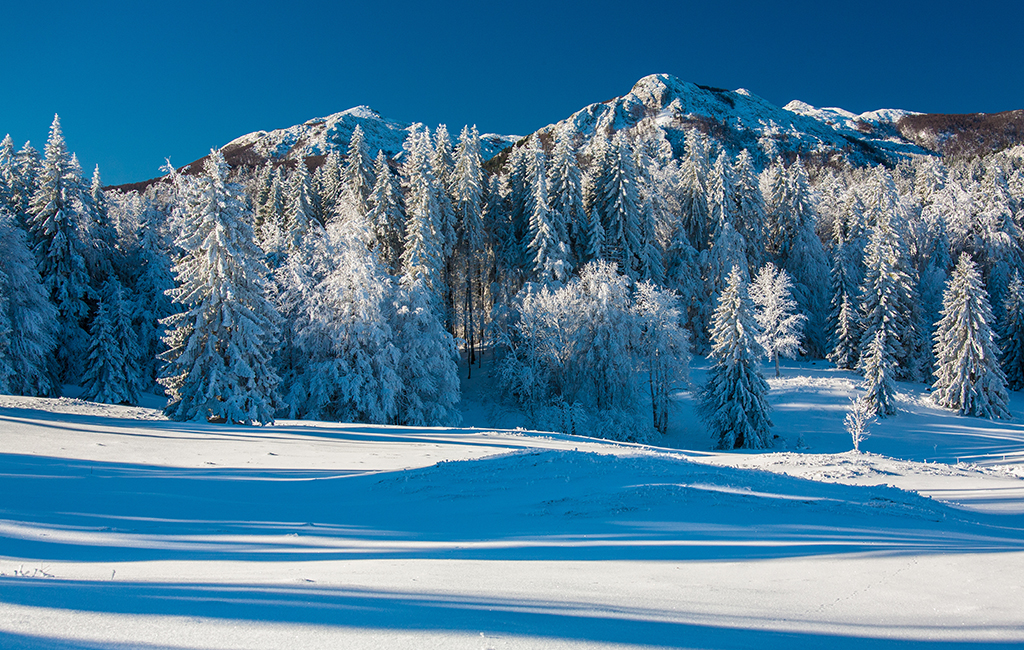
January: Gorski Kotar
Where the Alps Meet the Mediterranean
Swimming, snorkeling, sailing… skiing?
It may seem like one of those items doesn’t belong, but all are possible in the small yet geographically diverse country of Croatia.
Located in Croatia’s northwest, between the Kvarner Gulf and the Slovenian border, is the mountainous and heavily forested region of Gorski Kotar. Here you will find dramatic peaks, lush river valleys, underground caves, craggy karst terrain, and tranquil lakes. Nicknamed “Croatian Switzerland,” it is perhaps not surprising that in winter this region becomes a popular ski destination for locals. In fact, one of the region’s highest peaks, Snježnik, located in Risnjak National Park, was even named for the snow that remains on its slopes well into spring.
The best known and largest of the ski resorts in the region is the Croatian Olympic Centre Bjelolasica, which served as a training base for the 1984 Sarajevo Winter Olympics when Croatia was still a part of Yugoslavia. This is where four-time Olympic gold medalist, Janica Kostelić, first began her skiing career, and it continues to attract ski enthusiasts today. There are several small ski resorts throughout the region which offer Alpine and Nordic ski trails, and even small ski jumps. Other winter sports such as snowboarding, tobogganing, and snowmobiling are also popular leisure activities.
And yes, it’s true, Croatian ski resorts might lack the glamour and polish of world-famous locales like St. Moritz or Courchevel; but tell us, can you see the sea from Kitzbühel? The Croatian resort of Platak is located less than 20 miles from the coast and boasts magnificent views of the Adriatic Sea as well as the islands of Krk, Cres, and Lošinj. It is one of few places in the world where you can go skiing in the morning and walk along the sea in the afternoon!
Read more about Risnjak National Park in the region of Gorski Kotar here.
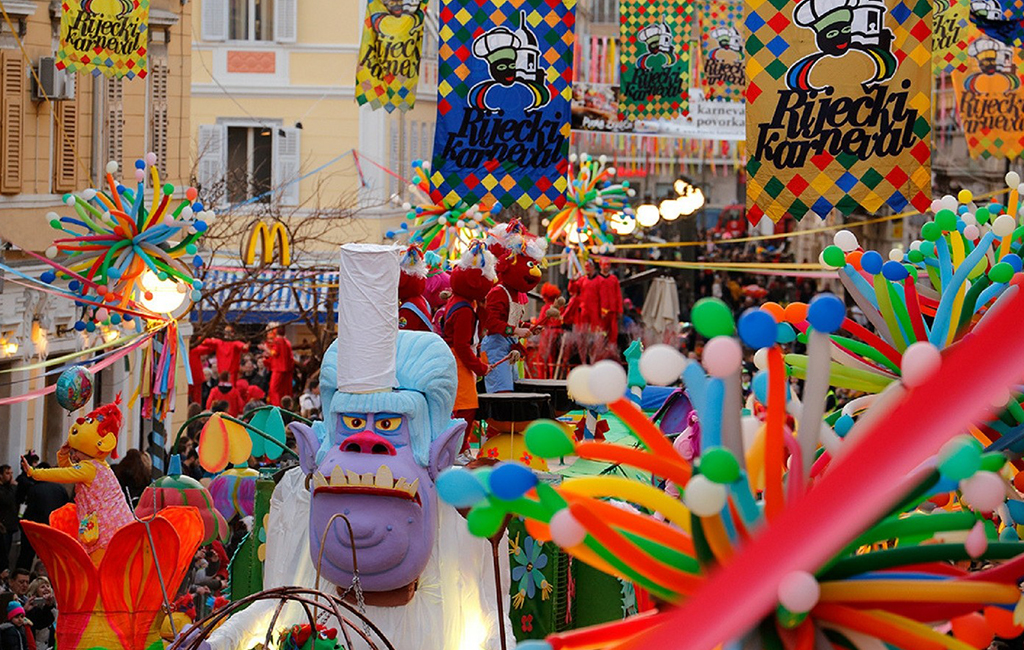
February: Rijeka
Carnival Revelry on the Kvarner Coast
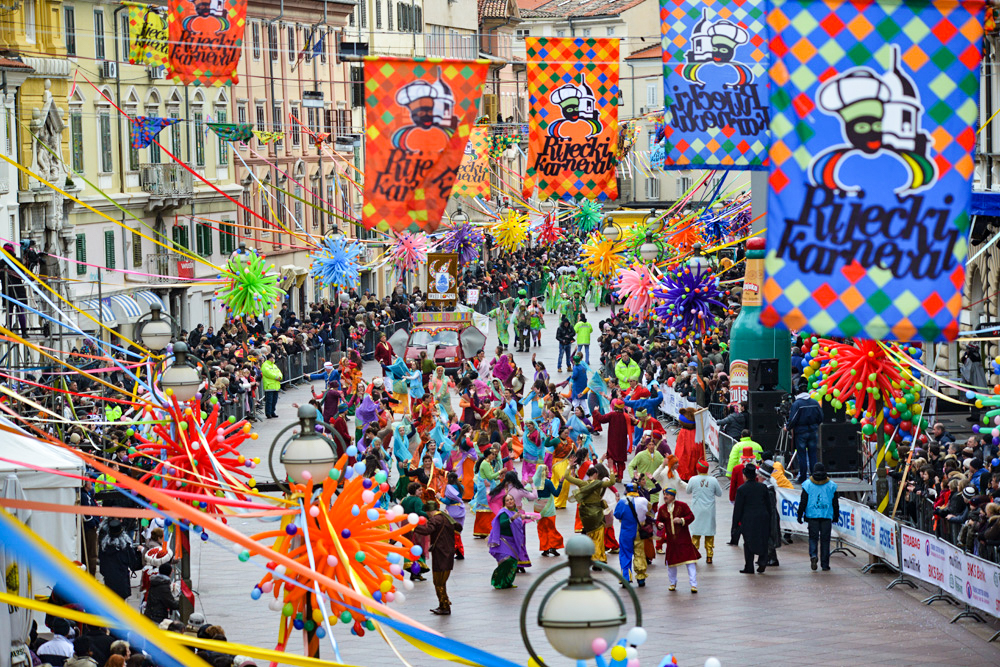
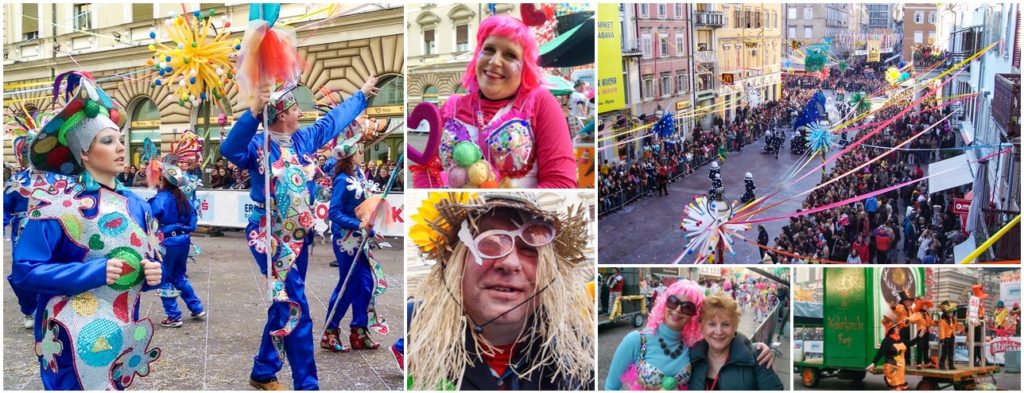
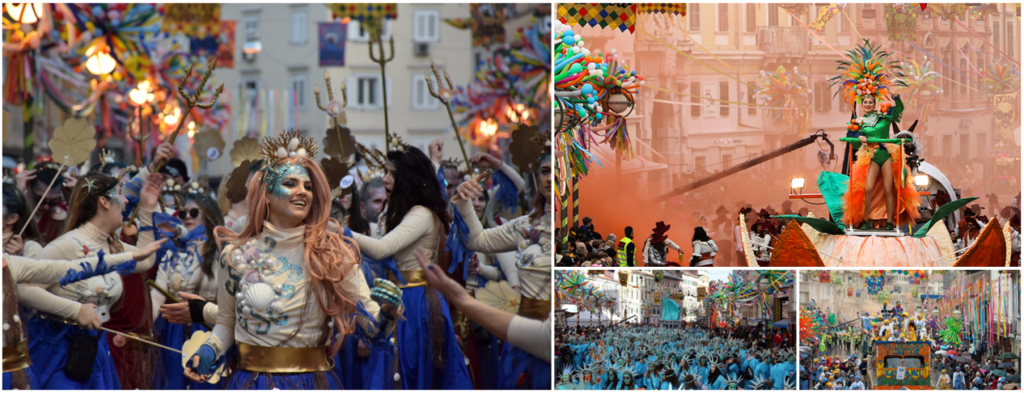
Picture this: More than 100,000 eager spectators line the street in anxious anticipation. In the distance, whistles blow and bells clatter; the sound of music draws nearer and with it the crowd’s excitement grows. A burst of color comes into view – hundreds of elaborate floats, on top of and around which dance thousands of flamboyantly costumed performers, consuming the promenade in a rollicking uproar!
Is it Carnival in Rio de Janeiro? Mardi Gras in New Orleans?
Guess again; this vibrant scene is Karneval in the Croatian city of Rijeka!
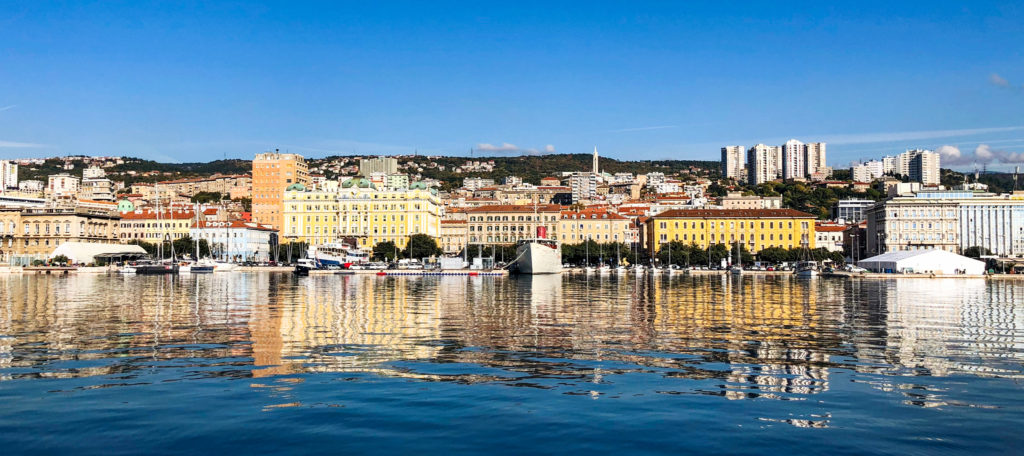
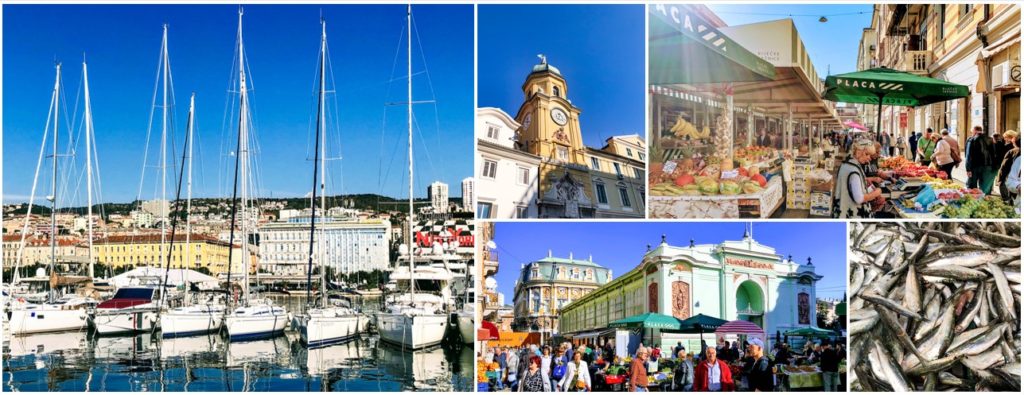
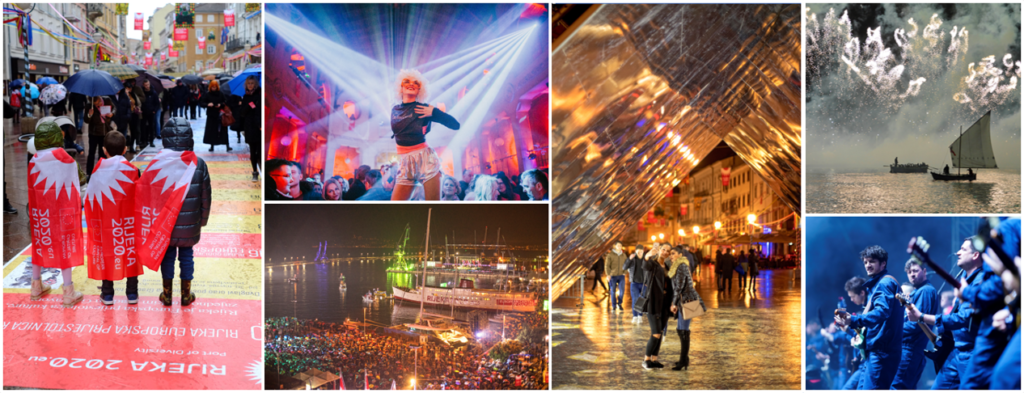
Situated in the north of Croatia on the Kvarner Gulf, Rijeka is Croatia’s third largest city; a bustling coastal center blending the grandeur of Venetian and Austro-Hungarian pedigree with the industrial grit of a shipbuilding port. A cultural melting pot and artistic bastion, is it any surprise that Rijeka plays host to one of Europe’s biggest street parties?
Rijeka Carnival (Riječki Karneval) has been steadily growing in size since first organized by the local tourist board in 1982. What began with just three masked groups reviving an ancient custom, has since grown into a celebration of epic proportions, earning Rijeka a place in the Federation of European Carnival Cities.
Carnival season, also referred to as the “fifth season,” is a pre-Lenten celebration which follows the Christian liturgical calendar, but originally began as a pagan ritual to cast out winter. Festivities typically kick off around the Feast of St. Anthony and end on Ash Wednesday (usually late January – early February). The revelry officially begins when the mayor of Rijeka passes the key to the city to the Carnival Master of Ceremonies, a symbolic gesture ushering in several weeks of costumed fun, including a pageant for carnival queen, a Charity Masquerade Ball, and several parades, culminating in the raucous International Carnival Parade which takes place annually on the Sunday before Shrove Tuesday. The International Carnival Parade is the single largest one-day event anywhere in Croatia.
However, Carnival isn’t Rijeka’s only claim to fame. In 2020, the city received international attention when it was named Europe’s Capital of Culture. Unfortunately, the program of theater, concerts, dance, art exhibits, and other activities was reduced due to the Covid-19 pandemic. Nevertheless, with so much to offer curious travelers, anyone would agree that Rijeka has a bright future ahead.
Read more about Carnival in Rijeka here.
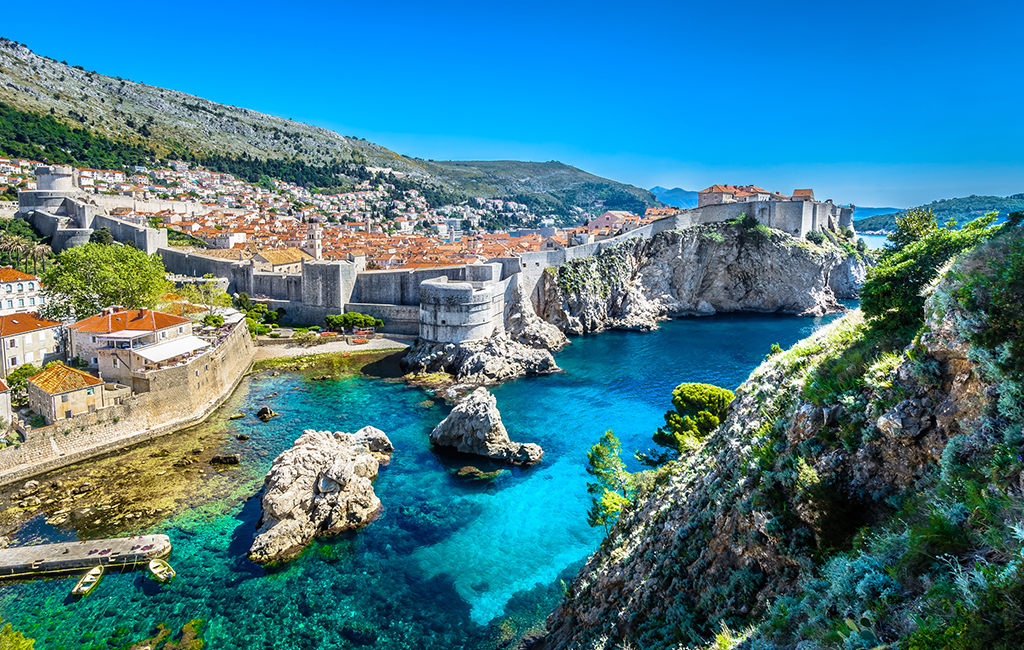
March: Dubrovnik & the Pelješac Peninsula
Succulent Oysters Near the Adriatic’s Pearl
Let’s be honest, there’s no bad time to visit Dubrovnik! The “Pearl of the Adriatic” is perfection all year long.
Occupying a rocky promontory, encircled by imposing defensive walls, Dubrovnik’s UNESCO protected Old Town is a pedestrian-only web of limestone streets and hidden alleys home to numerous architectural treasures. Stunning examples of Gothic, Renaissance, and Baroque churches, monasteries, palaces, and fountains anoint Dubrovnik with a beauty and historical richness that few other cities can rival.
However, having gained worldwide recognition as the home of King’s Landing in HBO’s Game of Thrones, it’s not exactly “under the radar” of modern travelers. So, to experience the city as the locals do, we recommend visiting off season. Yes, it’s true that in March you won’t be needing your swimsuit, but you will be able to enjoy a quieter side of the city that few others ever see. In addition to benefitting from fewer crowds and favorable hotel rates, March’s mild temperatures provide the ideal conditions for exploring Dubrovnik’s Old Town, including the fortification walls that surround the city. At more than a mile long, and offering little shade, walking the city’s walls can be an intimidating task during summer, but at the start of spring, a late morning stroll is the ideal way to take in the spectacular views over Dubrovnik’s titian rooftops and the Adriatic beyond.
Just an hour away, the Pelješac Peninsula stretches out north into the Adriatic. One of Croatia’s top wine producing regions, it beckons visitors to indulge in its robust, earthy reds and crisp, dry whites. At the base of the peninsula, the twin villages of Ston and Mali Ston form what was once the northwestern border of Ragusa, the independent republic that eventually became Dubrovnik. Here, extensive fortification walls – among the longest in the world after the Great Wall of China – protect Europe’s oldest salt flats and the “white gold” of the ancient economy. However, of all the many delights to be found in Pelješac, the region is perhaps most famous for its world-class oyster production. The unique and distinctive properties of the Mali Ston Bay, the salt from the sea combined with the mineral rich freshwater discharge from the Neretva river, create the perfect environment for plump, briny oysters.
Although Ston’s oysters can be sampled at any time of year, true seafood lovers will want to plan their trip to coincide with the annual “Festival of Oysters” which takes place in late March and doubles as a celebration of the Feast of St. Joseph. It’s the perfect opportunity to sample the famed mollusks paired with quality local wines. In addition, the celebration promises two days of Dalmatian music and folklore performances – a treat for locals and visitors alike!
Learn more about all there is to see and do in Dubrovnik here.
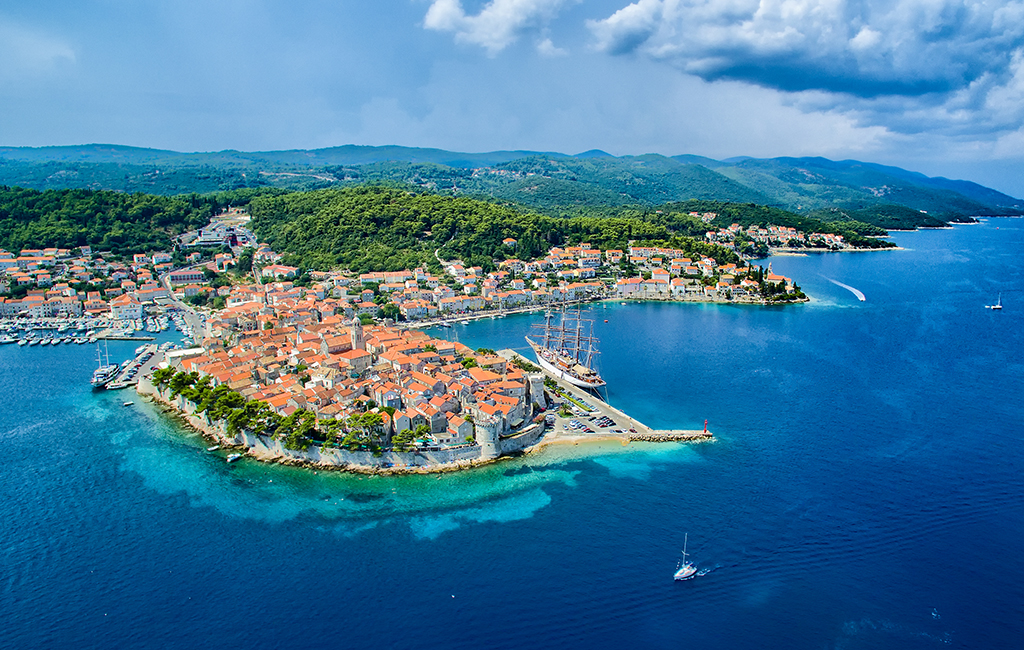
April: The Island of Korcula
See Ancient Traditions Spring to Life
As spring brings warmer temperatures and sunnier days, it’s not only the flowers in Korcula that begin to bloom, but the island itself! With nature’s rebirth also comes the official start of the tourism season. Hotels and restaurants shuttered for winter re-open and locals who leave the island during colder months return.
Pleasant, mild weather ushers in a season of festivals, starting with the annual Easter Processions. This centuries-old tradition centers around Korcula’s three religious brotherhoods; the Brotherhood of All Saints (the oldest, dating back to 1301), the Fraternity of St Rocco (established in 1575) and the Brotherhood of the Blessed Virgin of Consolation (also known as St. Michael, dating back to 1603). All catholic families of Korcula belong to one of these three fraternities, although participation in liturgical rites is reserved exclusively for the men and passed down from generation to generation. During the Holy Week leading up to Easter Sunday, the brotherhoods take part in solemn processions through Korcula’s medieval Old Town, carrying banners, crosses, and massive torci (candles), many of which are hundreds of years old, a few meters high, and extremely heavy. Even for those who are not religious, the atmosphere of the processions can be a moving experience, as hundreds gather to move through the town in the dim of night, singing psalms by light of candle.
Later in the month, Korcula’s annual triathlon, the Marco Polo Challenge, attracts athletes from far and wide to swim, cycle, and run through the island’s idyllic surroundings. Beginning and ending in the Korcula Town Center, the course traverses the entire island, winding through charming villages and skirting the rocky coast. The event, named for the island’s most famous resident, was launched in 2011 and normally includes a Middle-distance triathlon, a Sprint length triathlon, a team relay, and a street race.
If you’re lucky, the Korculanske Pjatance Spring Food and Wine Festival may also be on, as it takes place in either late April or early May every year. This gourmet food festival celebrates local Dalmatian flavors as some of Korcula’s finest restaurants come together to offer special menus, cooking demonstrations, and workshops. Foodies won’t want to miss it!
Learn more about all there is to see and do on the Island of Korcula here.
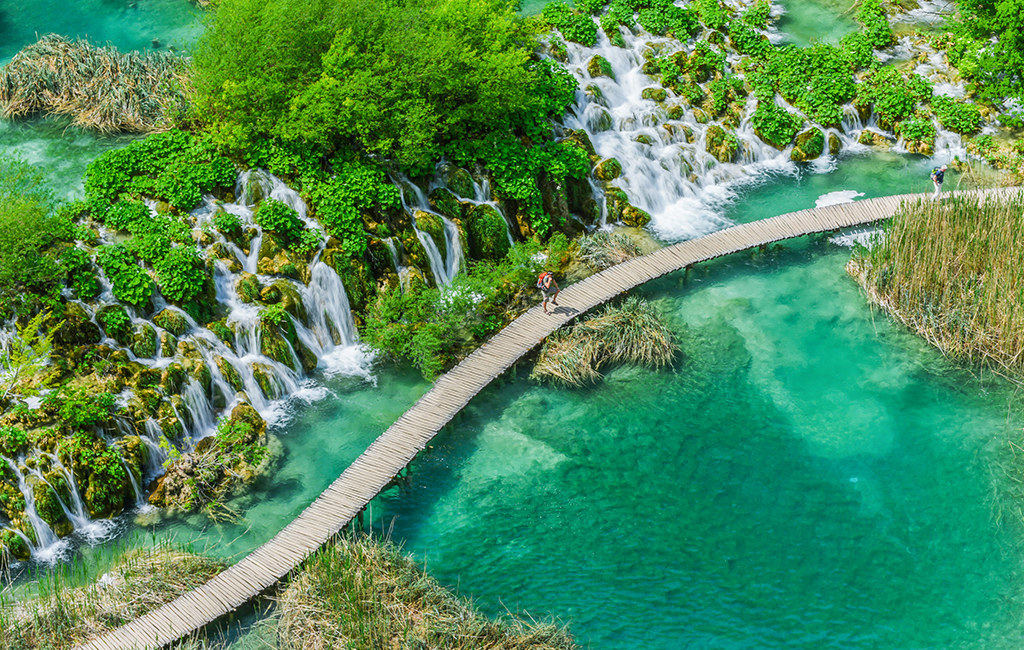
May: Plitvice Lakes National Park
Chasing Waterfalls in Croatia’s Most Beautiful National Park
Croatia’s most famous national park is a kaleidoscope of colors throughout the year, with turquoise cascades adjacent stark white snow in winter and deep umber leaves in autumn, but it is the budding emerald green of spring that it is at its most vibrant. As the weather warms, Plitvice’s flora awakens in a burst of green, nourished from the wet winter months and restored by the life-giving rays of the sun.
Visit in May to take advantage of sunny weather and pleasant temperatures without the crowds of peak season.
Sitting comfortably in the middle of the spectrum, May is neither the hottest nor coldest, wettest nor driest month of the year. Visitors can expect warm weather, comfortable humidity levels, and days that grow increasingly longer throughout the month; ideal conditions for a jaunt through the lush greenery of Croatia’s premier natural attraction.
The park’s 16 terraced lakes and the cascades and waterfalls which connect them have been divided into two sections, the Upper Lakes and the Lower Lakes. Anyone who is familiar with images of Plitvice Lakes will surely recognize the Lower Lakes, as many of the park’s most iconic features can be found here. Conveniently, and much to the delight of day-trippers, the Lower Lakes also lend themselves well to a single day of exploration. It takes just 3 to 4 hours to cover this section of the park. Zagreb and Zadar both make ideal home bases for those interested in a full day excursion.
Travelers with more time will want to plan on spending a few days to take full advantage of all that Plitvice Lakes and its surroundings have to offer. Granted UNESCO World Heritage status in 1979, Plitvice Lakes is Croatia’s oldest and largest national park – nearly 5 times the size of the next biggest national park! It’s also by far the most visited park, welcoming close to 1.8 million visitors each year. Extending your stay for several days will allow time to explore both the Upper and Lower Lakes, as well as the vast network of forest trails which skirt the perimeter.
Learn more in our first-timer’s guide to Plitvice Lakes National Park here.
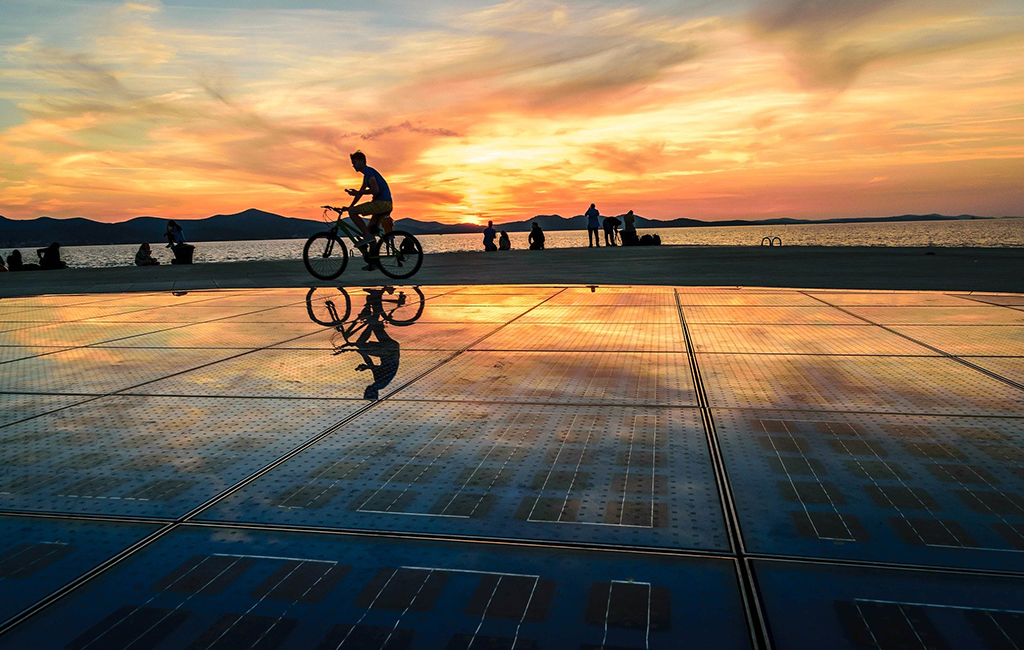
June: Zadar & the Kornati Islands
Celestial Beauty Right Here on Earth
In 2019, Zadar received a coveted position on the New York Times’ 52 Places to Go list, heralded as a seaside gem often overlooked by travelers as they make their way south toward Dubrovnik. From that moment on, the secret was out – Zadar is not to be missed!
This compact coastal city is full of surprises. The historic center is small enough to see in a single morning, yet offers enough art, history, and culture to be explored for days. The oldest continuously inhabited city in Croatia, Zadar is home to prominent examples of Roman, Byzantine, and Venetian architecture, including the city’s UNESCO listed fortification walls. This elaborate defensive system, once used to fend off Ottoman attacks, now serves as a series of scenic promenades and parks. It’s just one way that Zadar seamlessly blends old and new.
Be sure to enjoy a walk along Zadar’s beautifully landscaped Riva, the waterfront path on the edge of the Old Town peninsula. Here you will find two of the city’s most unique attractions – the Sea Organ and Greeting to the Sun – public artworks created by Croatian architect Nikola Bašić. Since 2005, the Sea Organ has mesmerized visitors with its elysian melodies. Reminiscent of a whale call, the hypnotic sounds are created by a series of pipes and whistles set within wide, stone steps that descend into the sea. The ebb and flow of the sea’s current forces air through the pipes, resulting in a constantly changing harmony. Just a few steps away, another one of Bašić’s installations, Greeting to the Sun (also referred to as the Sun Salutation), pays homage to the sky above. Composed of hundreds of solar panels embedded into the ground, the piece absorbs energy during the day and at night releases it in the form of colorful light beams that dance in unison with the sounds of the Sea Organ.
It’s the perfect place to watch Zadar’s famed sunset…
And the perfect time to watch Zadar’s famed sunset is June, when the shallow angle of the setting sun promises a longer duration for near solstice sunsets.
If you weren’t already packing your bags for Zadar, we have one more reason for you to visit!
Zadar is also the perfect jumping off point from which to visit a number of Croatia’s lesser-known islands, including the ethereal moonscapes of the Kornati. This tranquil archipelago is made up of 140 islands and islets, 89 of which are part of Kornati National Park. Scarcely populated and strikingly beautiful, Nobel laureate George Bernard Shaw said it best when he stated, “On the last day of Creation, God wanted to crown his work and thus he created Kornati from tears, stars and breath.”
Learn more about the Kornati Islands here.
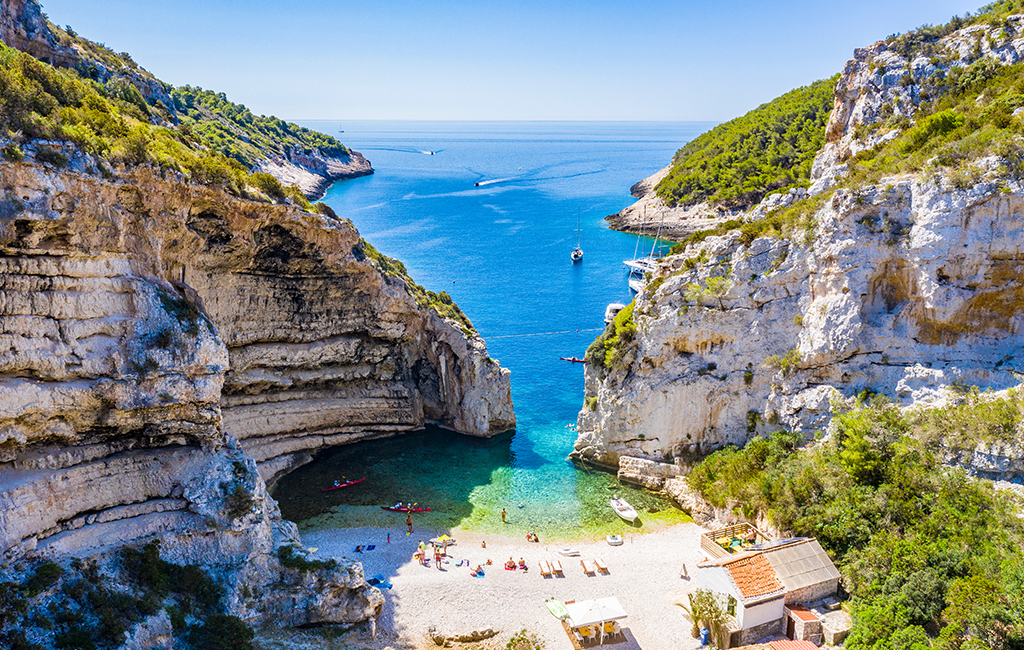
July: The Island of Vis
A Tranquil Island Hideout
Did you know that close to half of all tourism in Croatia takes place in July and August alone? In fact, in each of those months, Croatia welcomes roughly as many visitors as it has residents!
Avoid the throngs of tourists with a visit to Central Dalmatia’s most remote island, the unspoiled paradise of Vis. Lying roughly 30 miles off the Croatian mainland, Vis has a unique history which has helped preserve its authenticity and protect it from over development. Having served first as a hideout for Tito and his Partisans during World War II and later as a Yugoslav military base, Vis was completely cut off from visitors for close to fifty years. This prolonged period of isolation came to an end in 1989 when the island was finally open to outsiders. Since then, it has attracted in-the-know travelers seeking simplicity, undisturbed nature, local flavors, peace, and quiet.
Vis gained international attention when the blockbuster “Mamma Mia, Here We Go Again,” was filmed there. However, despite increased interest, the island retains its rustic charm. Pine trees, carob trees, wild rosemary, and citrus orchards cover the island, interrupted only by sprawling vineyards or ancient stone villages. Along the shore, rocky cliffs open up to reveal white pebbled beaches, while out at sea, fishermen haul their treasured bounty back to the island’s many konobas. A petite 35 square miles, Vis is easily explored by bike or scooter. The driving distance between the island’s two main towns, Vis Town and Komiža, is a mere 13 minutes by car. Indeed, the island’s intimate size only adds to its appeal – although easy to explore in a relatively short time, it rewards its visitors with new discoveries at every turn.
Most of those who visit Vis come only for a day excursion to see the Blue Cave; a shame as they will miss the tranquility which makes the island so special. Located on the tiny island of Biševo just southwest of Vis, the Blue Cave is a limestone cavern accessible only by sea which, when illuminated by the sun’s reflection off the shallow seabed, gives the impression of being a brilliant blue. Though a stunning sight, do not make the mistake of overlooking the island’s other charms. Like its wine and seafood, a visit to Vis should be savored over time.
Vis is renowned for the quality of its seafood. Read about some of our favorite seafood restaurants in Vis here.
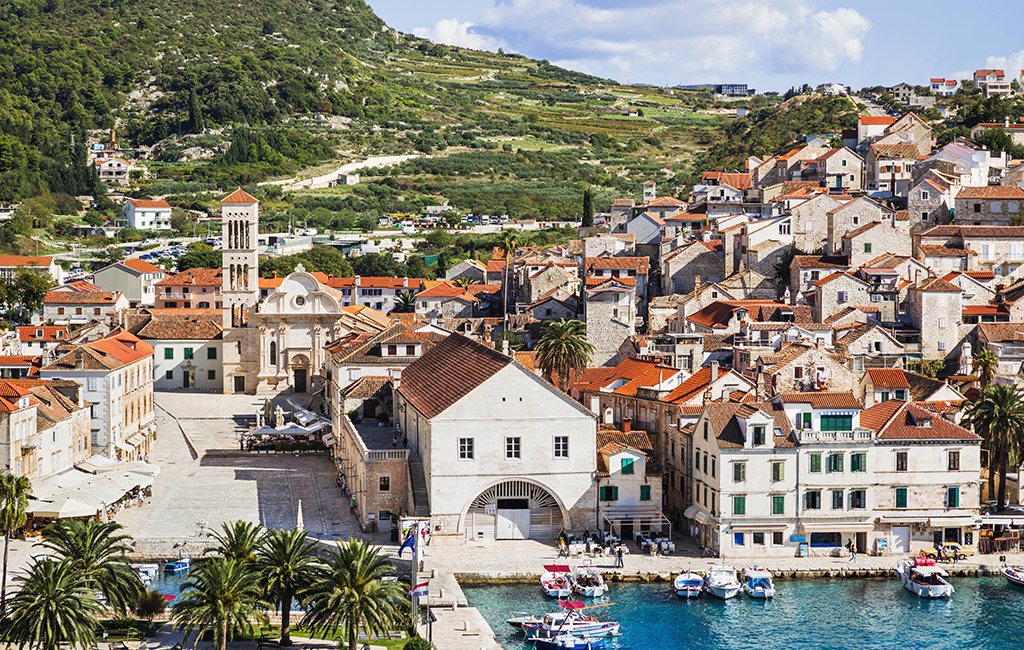
August: The Island of Hvar
Because Some Like it Hot
Hvar is an island of superlatives.
The sunniest island in Croatia; the most luxurious island in Croatia; and quite possibly the best-known island in Croatia.
Both Condé Nast Traveler and Travel + Leisure routinely rank Hvar among the most beautiful islands in the world, and it has long-been a favorite destination for superyachts and celebrities. Even Beyoncé and Jay-Z have been spotted on the island’s pebbled shores – and who can blame them? There is no denying Hvar’s incomparable allure.
Hvar Town cradles a turquoise harbor, where boats big and small clamor for moorings. Around it, a palm-lined promenade hosts swanky waterfront cafés and chic seafood restaurants, their patrons sipping champagne behind mirrored frames. From the Riva, the town extends inwards and upwards, past a central plaza and baroque cathedral, up the hill to a Venetian fortress; the winding alleys which lead there home to posh boutiques and trendy restaurants. Sprinkled throughout are the lively bars and lounges the island has become known for. Beyond Hvar Town, visitors will find a rural interior made up of vast fields of lavender, sloping vineyards, and ancient olive groves.
But Hvar in August? Isn’t it hot?? Isn’t it crowded???
Yes, yes, and yes…
But if you’re looking to experience Hvar at its most vivacious, its most fervent, its most Hvar, then this is the time to come!
The summer capital of Croatian nightlife, Hvar is home to a bevy of nightspots, from chilled out beach bars to upscale nightclubs. DJs spin in open-air discos and mixologists concoct top-shelf cocktails, while VIPs let loose behind velvet ropes. Parties start in late afternoon and gain intensity as the sun sets, sometimes moving to private yachts in the wee hours. Hvar’s legendary nightlife attracted such a crowd that at one point, the island seemed in danger of losing its savoir vivre to the boisterous party scene. However, restrictions put in place by local authorities and the opening of a new 5-star property have cemented Hvar’s position as a destination for the sophisticated and elite. This was further aided by the relocation of Hvar’s most famous club, Carpe Diem, to an island just off shore. There, the party rages all night long, fueling Hvar’s image as a leading party destination while preserving the relaxed glamour of the town center.
For now, the action and the elegance co-exist in perfect harmony, both reaching their peak when temperatures are hottest. So, yes, visit in August, because there’s simply no substitute for summer in Hvar.
Learn more about the island of Hvar here.
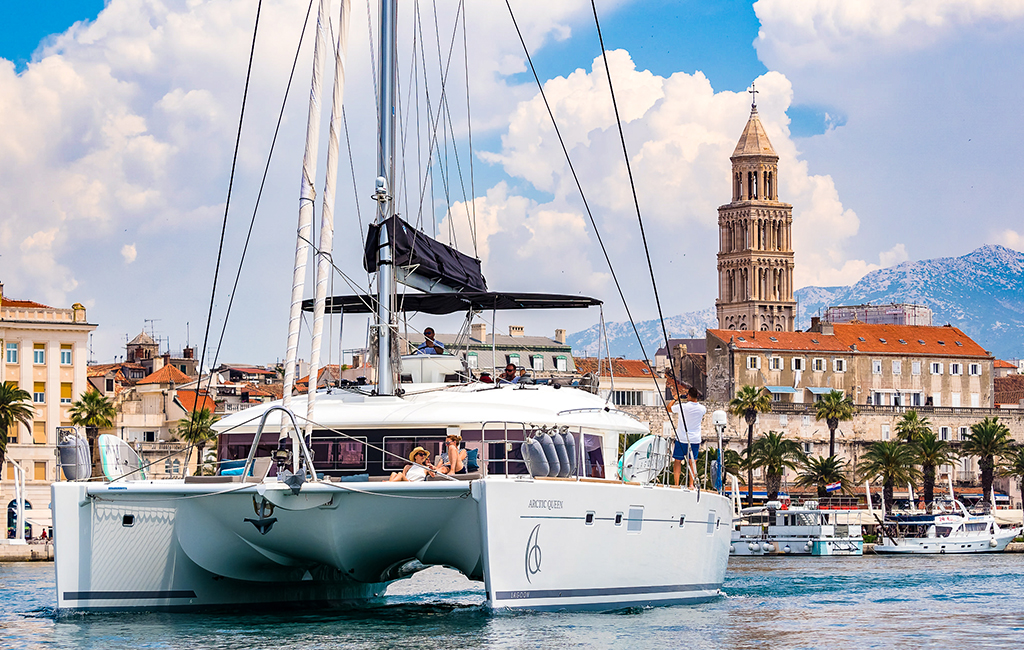
September: Split & Sailing
Seas the Day in Central Dalmatia
Croatian summers stretch well into September, marked by warm balmy days and cloudless skies that meet the horizon in a seemingly endless expanse of blue. You might not even notice that August had ended, be it not for the thinning of crowds as families head home and children back to school. Falling comfortably between the buzz of summer and hush of winter, September marks the sweet spot for travel to Croatia. It’s a fantastic time to visit pretty much anywhere in the country, but is especially perfect for an island-hopping escape.
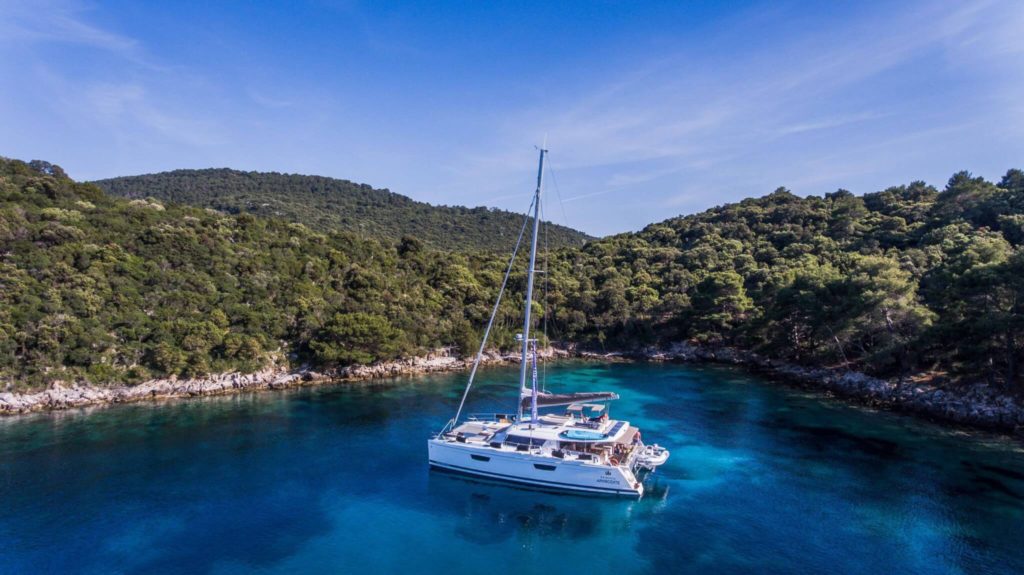
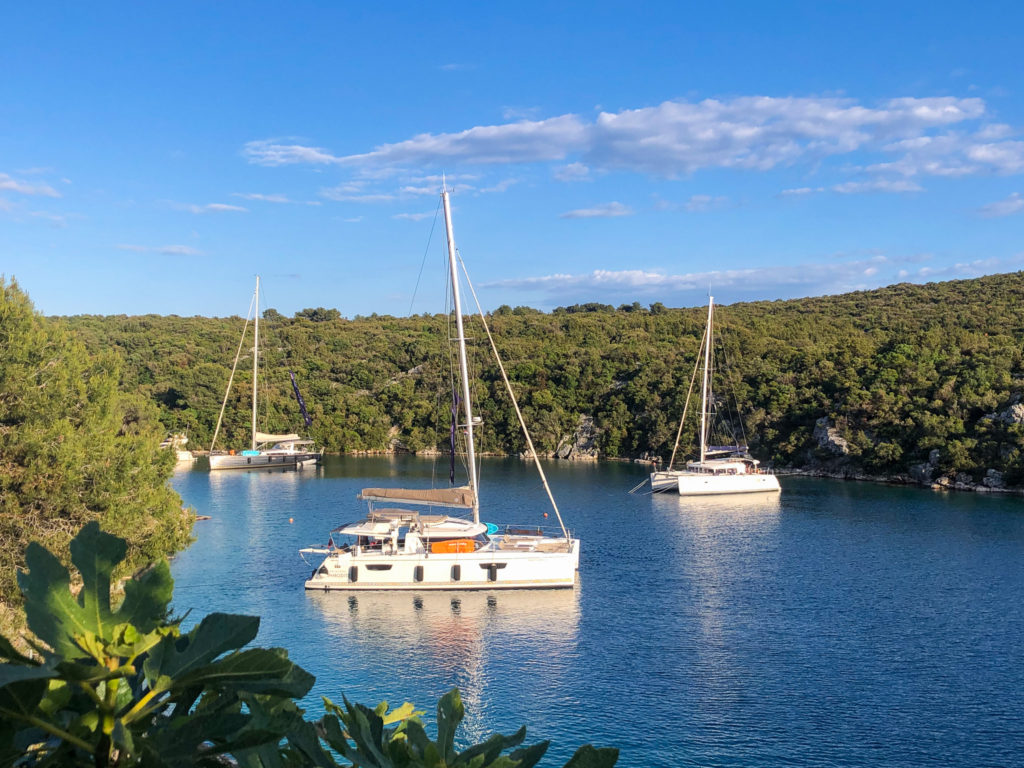
Home to 1,244 islands, islets, rocks, and reefs, Croatia practically begs to be discovered by boat. It should come as no surprise then that the country is a major hub for nautical tourism, home to roughly 40% of the world’s yacht charter fleet. With the largest selection of private charter options in the world, there is a boat available to suit every taste, from budget friendly bareboats to luxurious superyachts.
Split serves as the ideal jumping off point from which to begin a multi-island itinerary; but don’t just visit the airport – this coastal metropolis is a worthy destination in its own right!
Croatia’s second city is brimming with historical sights, cultural attractions, lively beaches, and fashionable restaurants. At the heart of the city lies its jewel: an ancient palace constructed as a seaside retirement home for Roman Emperor Diocletian more than 17 centuries ago. A UNESCO World Heritage site, the eight-acre complex functions as a city within a city, home to roughly 3,000 residents and more than 200 buildings, including a smattering of charming boutique hotels. It is this unique tangle of old and new, the juxtaposition of contemporary life taking place among ancient ruins, that makes Split one of Croatia’s most compelling cities.
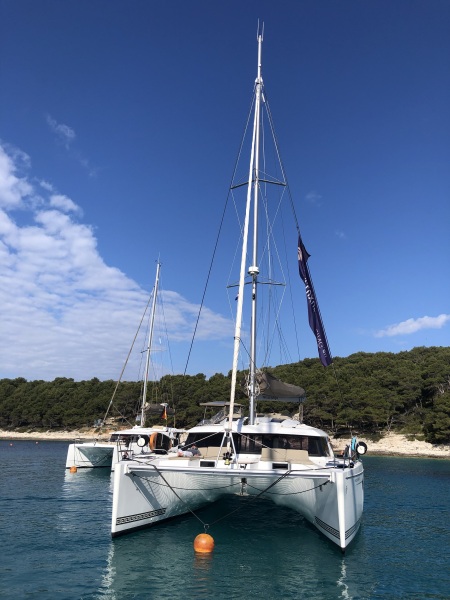
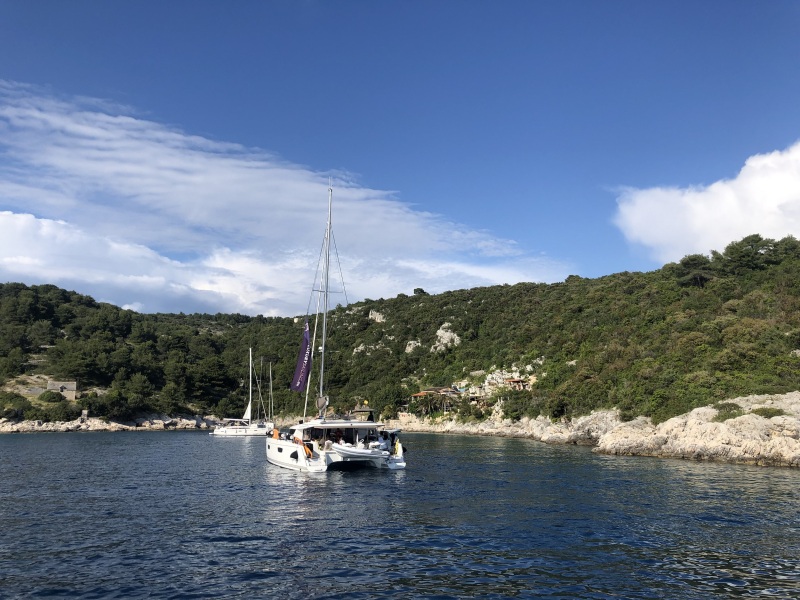
When you’ve had your fill of Split’s bustle, set sail to the deserted coves and sleepy villages of Central Dalmatia’s islands. Life on board is laid back; an easy routine of refreshing swims and long lunches set to the soundtrack of gentle lapping of waves. In the evenings, drop anchor and meander the seaside fishing villages and medieval fortress towns which dot the islands’ coasts and enjoy dinner at a local konoba.
The islands of Šolta, Brač, Vis, and Hvar are all easily visited on a round trip charter from Split. If sailing one-way from Split to Dubrovnik, the islands of Korčula, Mljet, Šipan, and Lopud also join the group. Each island has its own distinct personality and charm, and each is beautiful in its uniqueness.
But regardless of which islands you choose to visit, this we can tell you for sure: there is absolutely no better way to spend September in Croatia than lazing atop the sundeck of your own private yacht!
Read about our Concierge’s experience sailing in Dalmatia here.
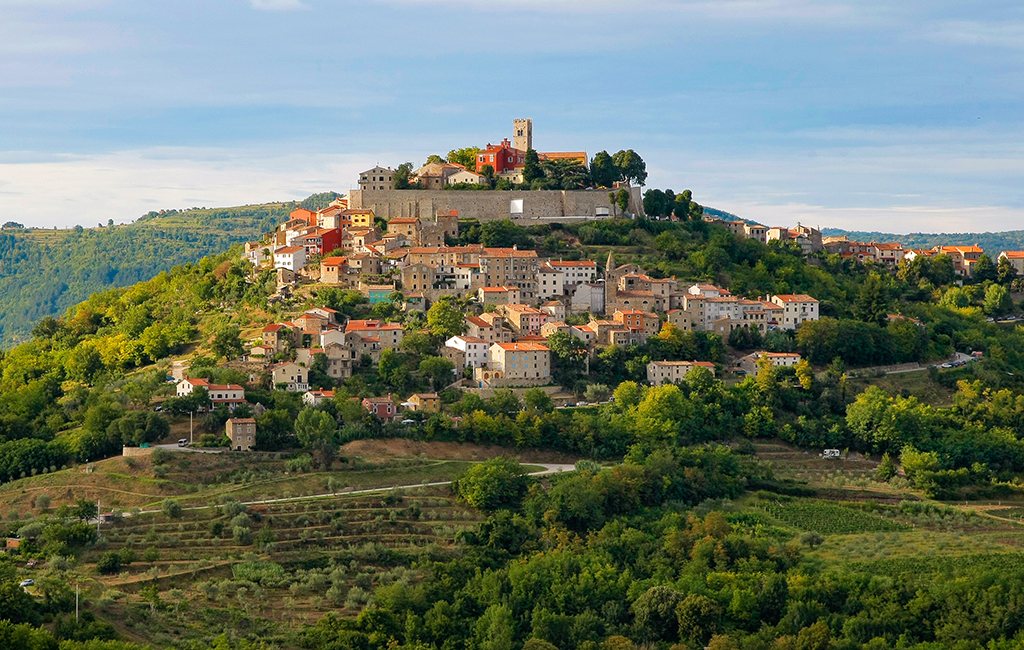
October: The Region of Istria
Gourmet delights in Croatia’s Truffle Country
Paper-thin slices of dry-cured prosciutto accompanied by ripe tangy cheeses, handmade pasta topped with freshly shaved truffles, and warm crusty bread dipped in mineral rich olive oil, all washed down with a ruby red glass of local wine.
Although it may sound like lunch at a Tuscan farmhouse, this mouthwatering meal is more often on the menu in Istria, the heart-shaped region in Croatia’s north-west.
Beautiful, arcadian Istria, with undulating hills topped by medieval villages, and a sparkling coastline dotted by candy-colored fishing towns. It’s not a secret, exactly, but it does seem to be off the radar of most international travelers – a shame, as it is perhaps the most underrated foodie destination in all of Europe.
This epicurean paradise is located at the crossroads of empires, so its culture and cuisine have long been influenced by the many powers that have occupied its land; from the Romans, to the Venetians, to the Ottomans, and the Habsburgs. For a brief time, between world wars, it was even part of Italy, and still today the region is bilingual. Istria has a microclimate ideal for cultivating grapes, olives, and figs, and fertile meadows which blossom with wild asparagus in spring. The clear, deep waters of the Adriatic keep fishermen’s nets full, and the dense forests of the interior are home to wild game.
But of all Istria’s agricultural blessings, the greatest treasure bestowed upon it is the truffle.
This rare delicacy can be found hidden in the moist soil of the Motovun forest, uncovered with the help of carefully trained dogs. Truffles were first found in Istria more than half a century ago, but did not gain notoriety until 1999 when truffle hunter Giancarlo Zigante and his faithful dog, Diana, uncovered a 1.3kg (2.9lbs) truffle, the largest ever found at that time. It earned Zigante a place in the Guinness Book of World Records and put Istria on the map as a premier location for scouting these precious tubers.
Today, visitors to Istria can enjoy embarking on truffle hunts of their own, joining a guide and trained dogs and sampling their findings afterward. It’s a fun way to spend an afternoon hiking, learning, and better yet, snacking. Truffle hunts are offered any season as various types of black truffle grow year-round, but it is only autumn when the illustrious white truffle can be found. The most pungent, flavorful, and highly-valued of all truffles, the white truffle, or Tuber Magnatum Pico, ripens only between September and January.
So, as Autumn is the season of white truffles, October is the month of truffle-themed celebrations. There’s Zigante Truffle Days which takes place in Livade from mid-September to mid-November, Tuber(food) Fest, also in the town of Livade, which takes place over a weekend in late October, and the Teran and Truffle Festival which is a single day event held in the picturesque hilltop town of Motovun. All three of these festivals can easily be experienced during a single late October journey.
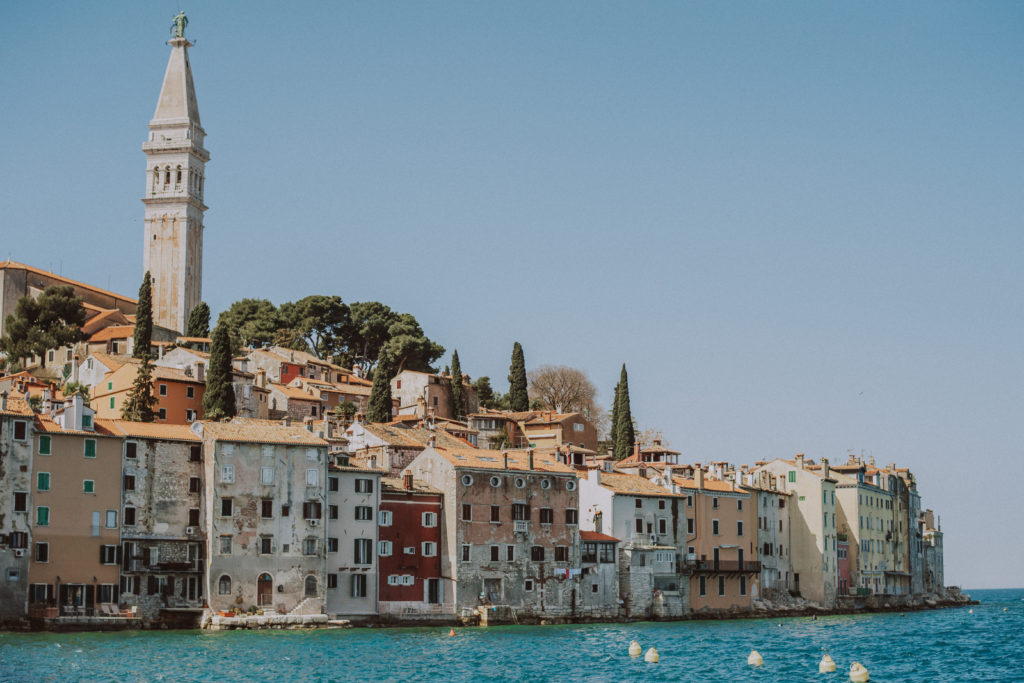
Where is the best home base for exploring the region? That would be Rovinj, a picturesque fishing port with Venetian architecture and several luxurious hotels roughly an hour away from the truffle-filled forests of the hinterland. It’s the perfect place to rest your head and your belly after a food filled excursion.
Learn the Top 5 Reasons why your next trip should be to Istria here.
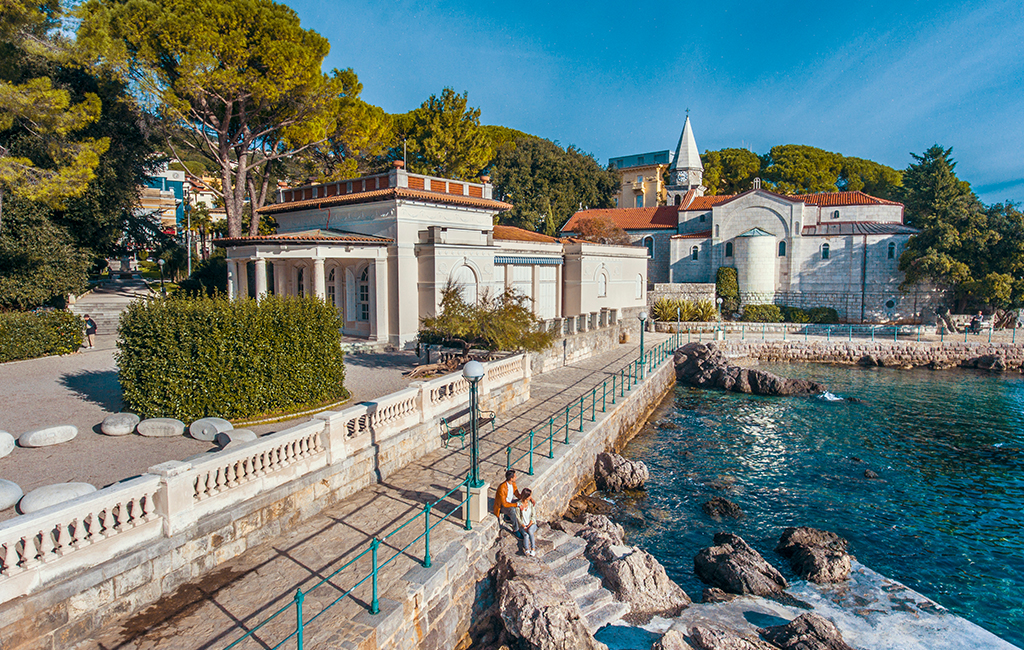
November: The Opatija Riviera
Pampering in Croatia’s Wellness Oasis
It was the ancient Romans who first traveled for pleasure, utilizing their wealth and vast systems of roadways to explore the lands they had conquered. The dark ages brought about a prompt end to leisure travel, but over time it was reintroduced in various forms, from religious pilgrimages and Tudor era progresses to the grand European tours made famous by artists and poets. A century later, it was the aristocracy of the Austro-Hungarian empire that embraced health retreats, the distant cousin of today’s beach holiday, and a precursor to medical tourism.
The most visited seaside resort of the Austro-Hungarian elite was the Opatija Riviera, a 30km stretch of land nestled between the wooded slopes of Mount Ucka and the rocky coastline of the Kvarner Gulf. Nicknamed “Vienna by the sea” due to its handsome Belle Époque architecture, Opatija is the cradle of tourism in Croatia.
The evolution of Opatija from humble fishing village to glamorous health resort began with Iginio Scarpa, a wealthy patrician from Rijeka, who in 1844 built the magnificent Villa Angiolina overlooking the sea. Both influential and well-connected, Scarpa’s guests included Austrian empress Maria Anna, Croatian ban Josip Jelačić, and botanist Heinrich Noë, as well as some of the greatest medical authorities of the time. All were taken by Opatija’s natural charms; lush vegetation, humid air, saline rich sea water, and a unique microclimate which guarantees mild winters. The area offered the ideal ingredients for therapeutic and restorative travel, elements central to the very idea of vacationing at that time. The construction of several luxury hotels, the picturesque Lungomare seaside promenade, and a direct railway line from Vienna to nearby Rijeka cemented Opatija’s reputation as an elegant spa town, and in 1889 it officially received the title of “Kurort” or health resort.
Today, Opatija continues its tradition as a center for wellness, attracting visitors seeking to relax and rejuvenate at its numerous spas, enjoying unique treatments and therapies. Visit in November to recharge your batteries before the holiday rush, and to take advantage of favorable off-season rates. Those looking for more comprehensive options may also wish to explore Opatija’s range of clinics, specialized hospitals, dental practices, and wellness centers.
View an autumn itinerary which includes Opatija here.
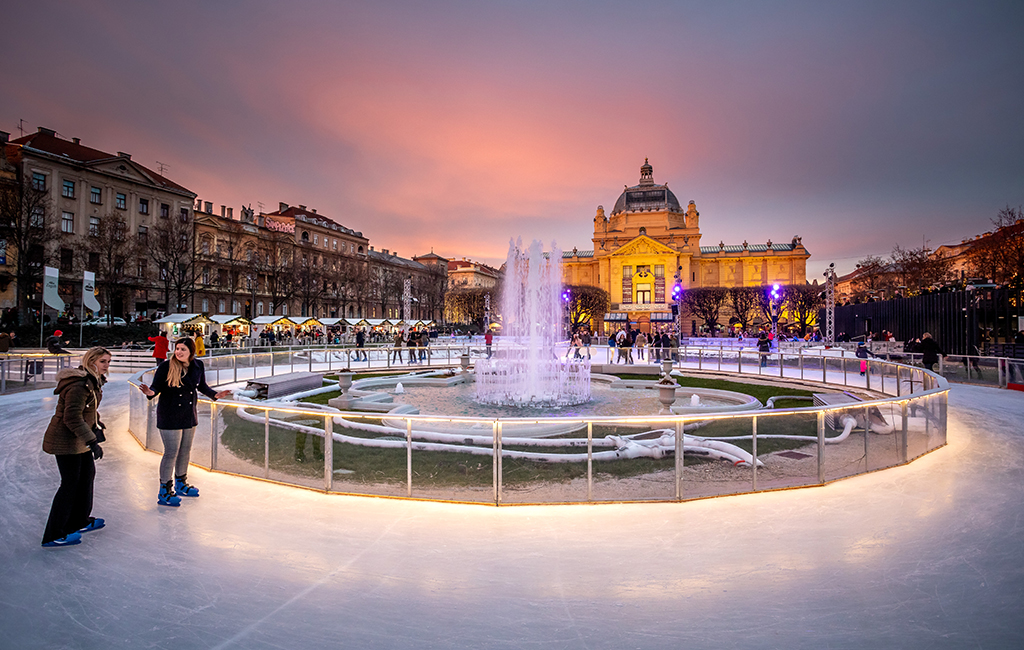
December: Zagreb
Europe’s Most Magical Christmas Market
Step aside Germany, there’s a new king of Christmas and it’s the Croatian capital!
Known as the “City with a million hearts,” Zagreb is Croatia’s largest city, home to roughly a quarter of the country’s population… And heart it certainly has! This dynamic metropolis is bursting with art, culture, and a vibe all its own. Zagreb’s energy is an eclectic mix of European sensibilities – a blend of buttoned-up Austro-Hungarian sophistication and laid-back Mediterranean charm. With more than 50 museums, Zagreb has more per capita than any other city in the world. It also has an active café culture, with over 4,500 cafés, bistros, and restaurants. That is equal to a ratio of 1 café per every 175 inhabitants! Add to that elegant hotels, bespoke shopping, beautifully manicured parks, and one of Europe’s best Christmas Markets, and it’s easy to see why so many Croatians choose to make Zagreb their home.
Yes, you read that correctly; Zagreb is home to one of Europe’s best Christmas Markets! In fact, Advent in Zagreb had the honor of being crowned “Best Christmas Market” by European Best Destinations three years in a row, the maximum number of wins allowed! Quite an accomplishment for a city still largely undiscovered by overseas visitors.
As you might have guessed, this isn’t your average Christmas Market. Advent in Zagreb is made up of more than 25 individual open-air Christmas Markets spread throughout the city, each with its own unique theme and atmosphere. Some of the markets resemble the traditional aesthetic found across German-speaking Europe, with chalet-like stalls selling handmade trinkets and warm mulled wine. However other markets take a more avant-garde approach, with spirited entertainment such as DJs and live concerts, interactive exhibitions, international cuisine, and even a tram driven by Jolly St. Nick himself! It all comes together to form a truly unique Christmas experience, while still maintaining the family-friendly Hallmark movie cheer of the holiday season.
Christmas festivities typically begin on the Saturday before the first Sunday of Advent (usually Late November) and run through the first week of January, making December in Zagreb the most magical month of the year. Just two hours by car from the Slovenian capital, Ljubljana, Zagreb makes a wonderful starting point from which to embark on a European Christmas Market tour.
Learn more about Advent in Zagreb here.
About the Author:
Luxury Travel Designer and Destination Specialist, Tia Lovisa Moreira, Joined the Tasteful Croatian Journeys Team after nearly a decade spent living abroad in Munich, Germany. Having traveled to more than 40 countries across 4 continents, she brings with her a wealth of first-hand travel experience and a deep love of European peoples and cultures. Learn more about Tia here.
Croatia Through the Eyes of an Expat
Living and working abroad can change and inspire a person in profound and unexpected ways. It invites one to embrace new experiences and make new discoveries while navigating a foreign land and creating a home. It is at once a complicated and exciting life, which few people get the chance to experience. Our friend Douglas Cavanaugh, a chiropractor and accomplished author, moved to Croatia from the United States in the mid nineties. We are pleased to be able to share his insights and experience of expat life in Croatia.
TCJ: So, Douglas, let’s start at the beginning. What brought you to Croatia initially?
Douglas: Back in the early 1990s, when I was much younger and single, I had the good fortune to travel abroad a few times, and as a result, a permanent wanderlust overcame me. By then, I had visited southeast Asia and the U.K. and Ireland on business, and I had been lucky enough to have combined some sight-seeing on each journey. I absolutely loved it. I had been living in rural Iowa for the previous six years and I dreamed about working full-time in a foreign country on a long-term basis. When the contract in which I’d been committed expired in late 1994, I was at a crossroads professionally. The night before I was scheduled to meet a banker to finance a new clinic, my touch-tone telephone rang. The ensuing conversation changed my life forever. On the line was a former classmate who had relocated to Italy after graduation. Somewhere along the way, he had found a job in the city of Rijeka in the newly formed Republic of Croatia. This friend had recently relocated to Zagreb and was calling on behalf of a medical doctor from Rijeka who was interested in adding a chiropractor to his clinic staff. Ten days later I was on a jet airplane heading to a country in which I had no knowledge in terms of history or culture.
TCJ: Wow, that sounds like quite a serendipitous turn of events. You’ve been in Croatia for more than 20 years now. Can you tell us why you have stayed?
Douglas: As stated, my arrival to Croatia was more of a spontaneous experiment than a fixed plan that had developed over time. Originally, I thought I might stay for six months and return to Iowa when the excitement waned. That soon became a year, then two, and so on. The relaxed pace of life in Croatia gradually grew on me, and the stressful thoughts of running an office in the States became less appealing. But the main reason I have stayed is one of the oldest in the books. Love! I met my future wife, a Hrvatica from Rijeka, and we built a life together in her home city. People in Croatia have a saying, “You are from where your wife is from,” and in my case, it certainly rings true.
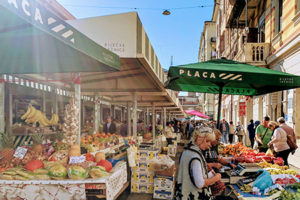
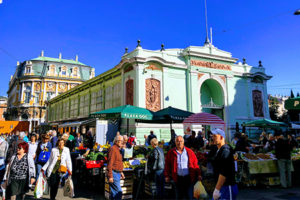
TCJ: That’s a wonderful saying. It seems that all of the pieces really fell into place when you moved to Croatia. I’m sure you never could have expected things to work out so wonderfully! What were your first thoughts upon receiving the job offer to work in Croatia? Did you have any misconceptions prior to moving there?
Douglas: When my colleague called me about the original job prospect, I was reluctant to pursue the offer. This was the result of the nightly news reports covering the fighting in Bosnia and Croatia I’d seen on television over the previous few years. I seriously considered what I would be getting into, and I wondered if I would be entering an active war zone. After a prolonged reassurance from my friend that Rijeka had not been touched by the fighting, and that the war in the region had effectively ended, I decided to ponder the possibility for a couple of days. By the third day, my sense of adventure dominated my decision-making process and I decided to accept the offer. I felt certain I would have regretted not going later in life if I declined the offer. In retrospect, I was correct. I have no regrets.
Of course, additional misconceptions would have come to light prior to moving to Croatia except for, at that moment, I had so little knowledge about where I was going that there was little for me with which to misconceive. But sometimes ignorance is bliss, and I arrived in Croatia without expectations or pre-determined prejudices. I simply appeared in my new country, suitcase in hand, and began the learning process of how things work from scratch. Ironically, I learned I was an anomaly, a sort of a reverse immigrant compared to what many Croats had experienced over the previous century.
TCJ: You were certainly ahead of your time! But you’ve paved the way for a new generation. Croatia is becoming increasingly popular among expats. Has your experience there changed your view of Europe as a whole? What about of the USA?
Douglas: No. The two are entirely different entities, and I learned that fact earlier in my travels. Each has its strengths and drawbacks. Both have distinct similarities while simultaneously being worlds apart. I cannot pick which lifestyle I prefer more. I confess there have been many occasions over the years in Croatia when I considered ‘throwing in the towel,’ and returning to the US. However, each time I visit the States for a summer vacation, I am usually ready to return to Croatia after the third week. I realize not everyone may share my feelings on the matter.
TCJ: You’ve gotten to see a side of Croatia that few others do. How does living in Croatia differ from being a visitor there?
Douglas: As mentioned, I have traveled to many different countries as a tourist. Each destination filled my senses with interesting sights, exotic smells, and different tastes that left lasting impressions about my visit. While exploring any country as a tourist, the change of scenery and culture all appear so enticing. But I have found it isn’t until you’ve lived in any particular place for six months, more or less, before the subtle realities seep into your consciousness, and then progressively begin to amplify. In that regard, Croatia is no different.
Like any place else, there is a learning phase involved about how things work in Croatia compared to an expat’s country of origin. Life in Croatia presents unexpected delays and undesired distractions, and conversely, unexpected delights. The sooner you learn how the game is played, the better off you are. The level of difficulty required to adjust depends a lot upon a newcomer’s willingness to accept a different lifestyle and mentality. Upon first arrival from other western countries, you might feel right at home, but that sense of familiarity can be deceiving. As stated in a line from the character Morton Riggs in my first novel, ‘Into Hell’s Fire’, “These people look like us but they don’t act like us, think like us, or resemble us in any other way.” Often, the differences are slight, almost microscopic. Other traits are more obvious and stand out like a sore thumb. Such traits might include work ethic, workmanship, logic, time management, deadlines, and more. This, however, is a generality, and does not apply to everyone and every situation equally.
Some expats I have known never manage to adapt to the Croatian way of life and they resist acceptance of the lifestyle. Many of them have left for other domiciles. Others, including myself, manage better but struggled during the transition. I chose to use the term undesired distractions above rather than outright problems because most of the obstacles always seem to be resolved over time. Usually, an expat will wonder why most of these unnecessary troubles occurred in the first place. Yet, they do happen, and more often than expected. But with patience and determination, each challenge is usually overcome. Living in Croatia can be stressful at times. One need not take it personally. These unappreciated hindrances happen to everyone whenever you are a stranger in a strange land. In fact, they even happen to the locals.
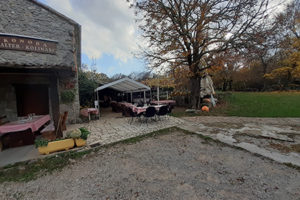
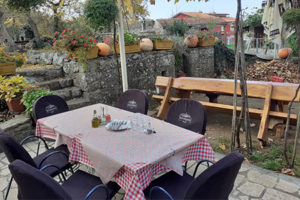
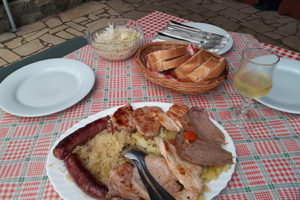
TCJ: Well, with struggle comes reward, and it sounds as though you’ve adjusted to the challenges of expat life quite well. Are there any discoveries you have made while living in Croatia that are missed by most travelers? What are your favorite ‘off the beaten path’ spots?
Douglas: Absolutely! In fact, there are ‘hotspots’ of which even native Croats, let alone a veteran expat like me, are unaware. A major difference between being an expat and a tourist is that most tourists are time constrained. They want to see the major sights in the shortest amount of time possible, maybe a week, two, or three during a summer holiday. This restricts their ability to find those out-of-the-way gems that are not on most pre-planned itineraries. Expats, on the other hand, may be limited timewise also as most have full time jobs and family obligations. Yet, by living ‘in-country,’ it is easier for them to establish a network of locals who can recommend points of interest and inform about the best deals and food at local restaurants.
My recommendations are limited to the areas where I’ve spent the most time. As I live in Rijeka, I have not visited Slavonia or Dalmatia enough to consider myself any sort of an expert. In fact, I would still consider myself a common tourist while visiting these regions. I primarily spend my free time in the Kvarner region or on the Istrian Peninsula. I do not know Zagreb that well either, yet I have visited the major sights in the capital city over the years. I would recommend visiting Zagreb during the Advent season in December. The city is brilliant and alive at that time, and I’ve enjoyed the event the last three Decembers.
After touring Zagreb’s sights, many visitors impatiently leave the capital headed to other distant destinations on their itinerary. By doing this, they miss out on a favorite spot of mine. I try to make it a point to spend a short time in nearby Samobor, a growing village just a short drive west of Zagreb. It is worth taking a stroll through the center and along the Riverwalk, and then having a coffee or beer at one of the many café bars. On the outskirts of Samobor, in the foothills along the Slovenian border, there are several guesthouses and restaurants to choose from where one can dine on fresh trout or pork cutlets and drink fantastic regional wine. It is an excellent atmosphere to share an afternoon with friends.
Another short daytrip from Zagreb is the Baroque city named Varaždin. It has a beautiful city center which can be explored in a few hours. On the return to Zagreb, it would be worth searching out the impressive Trakošćan Castle. Even for tourists who are not castle enthusiasts, I can vouch for the impressiveness of this one. An hour-long walk around the nearby lake offers terrific scenery with some spectacular views of the castle.
Closer to Rijeka, another ‘under the radar’ recommendation is the romantic hill village named Kastav. A fantastic view of Opatija and the Adriatic Sea awaits visitors, and more restaurants and café bars are present in which to spend a casual afternoon or summer evening.
My final suggestion rests in the heart of Istria where small, cozy restaurants, known as konobas dot the landscape. There are too many to mention by name, but every local has their favorite, so it is easy to ask around to get a recommendation and directions. The menus are nearly the same at each, and the quality and value does not vary much from one to another either. For me, ambiance is key. Which konoba has the best is a matter of opinion. Many konobas are classified as Agrotourism, and their owners grow, produce, and network with other local producers to serve fresh homegrown products on their menu.


TCJ: We couldn’t agree more with your recommendations! You’ve touched on some of our favorite places and we do our best to introduce our travelers to these hidden gems. Now, for our last question… Living in Croatia has clearly had a huge impact on every aspect of your life – How has it influenced and inspired your writing?
Douglas: Living in Croatia has inspired my writing enormously. The idea of writing a novel began swirling around in my mind a few years before my arrival in Croatia when I was living in rural Iowa. However, life in a small town left me uninspired for a storyline or plot, so I ushered the idea to the back of my mind.
Things changed rapidly after I had been in Croatia for a couple years. My parents came for a visit and I arranged for us to take the overnight ferry from Rijeka to Dubrovnik. At the time, there were still many foreign peacekeepers and U.N. officials in the area. On deck during the ferry ride one afternoon, I remember sharing a beer with my father and watching the coastline. Behind us, leaning on a deck rail, a middle-age man dressed in black was talking into a cumbersome, early model cell phone. He paced impatiently and conversed in multiple languages. Who was this man, I thought? A government agent? A foreign spy? In fact, he may have been a travel agent or a local on his way home for all I knew, but I let my imagination run wild and the genesis of my first novel, Into Hell’s Fire, was born. Readers of the novel will see a parallel to this scenario somewhere while reading the book. Eight years later, Into Hell’s Fire was complete!
In hindsight, Into Hell’s Fire was a remarkable success for a first-time author. It was prominently featured in the Balkan War section of the nonfiction book entitled, Docu-Fictions of War, written by Dr. Tatiana Prorokova, a postdoctoral researcher and lecturer in the Department of English and American Studies at the University of Vienna.
In 2019, Into Hell’s Fire was awarded by the Croatian publisher VF Libris to be translated, published and distributed for the Croatian market. The title of the translated version is ‘Kroz Vatre Paklene,’ and it can be ordered at any Hoću-knjigu bookstore in Croatia.
Based on my first book’s success, I decided to change genres and topics for my second effort. This novel, The Long Way Around, was completed in early 2020. It is an action/adventure, family drama which, ironically, is set in my home state. Based on the information provided earlier in this interview, readers of The Long Way Around may see similarities to my experience of living in rural Iowa. Yet, my Croatian life was included in the story, too, and many readers with Croatian heritage will be delighted to meet the character Tomislav Novak, a proud member of the Croatian diaspora hailing from Louisiana.

About Douglas Cavanaugh:
An American expat who has lived in Rijeka, Croatia for more than twenty years, Douglas Cavanaugh is a graduate of the esteemed Palmer Chiropractic College (Davenport, IA), and is one of the early pioneers of the chiropractic profession in the Republic of Croatia. He is an accomplished author and has completed two novels to date. Both are written in English. The first, a spy-thriller set in Bosnia and Croatia named, Into Hell’s Fire, has been enjoyed by readers from more than twenty countries. The second, The Long Way Around, is a family drama with plenty of action and vivid description of life in rural northeast Iowa.
The Long Way Around can be ordered at any bookstore worldwide in paperback format through IngramSpark. Online, both Into Hell’s Fire and The Long Way Around are available in paperback or Kindle eBook formats at www.amazon.com. You will also find his books available in our Croatia Marketplace.
Considering a move to Croatia like Douglas?
If you are planning a multi-month stay on a Digital Nomad visa, our team of specialists can help make arrangements and provide resources to get you settled. For long term expatriation, we direct you to www.expatincroatia.com for information on immigration, health care, setting up a business, and more.
Casa Matiki – Experience a True Oasis in the Heart of Istria
For a truly authentic Croatian experience, listen to a local! Our Tasteful Croatian Journeys Concierge, Mirela Benic, shares her review of the endlessly charming Casa Matiki, a cozy retreat in the Istrian countryside that’s perfect for family travel.
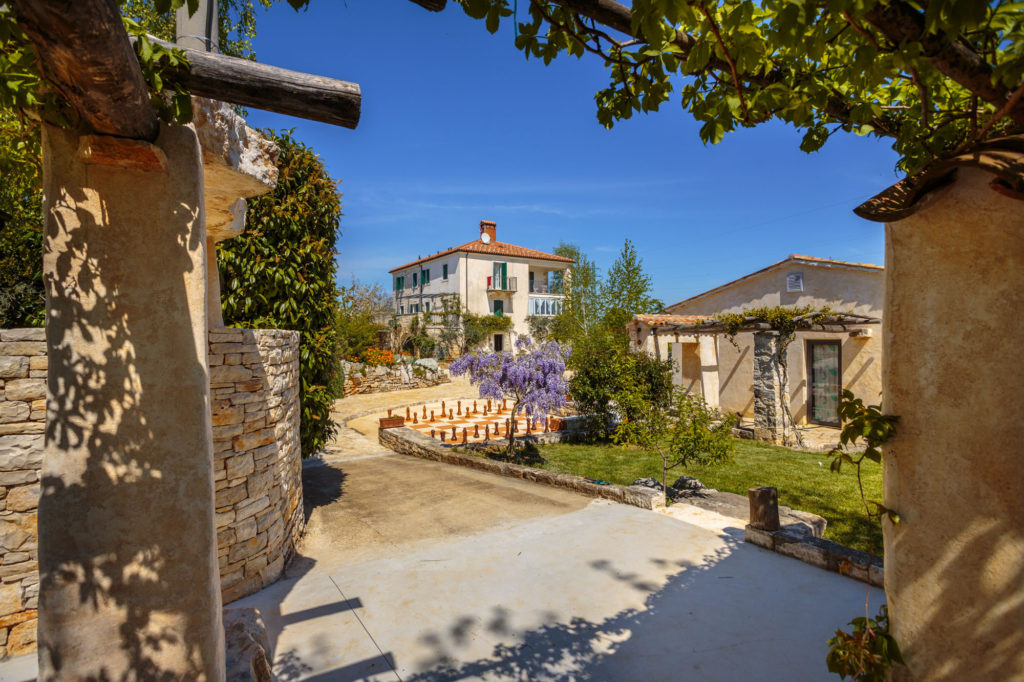
Casa Matiki – a place where guests become friends
When you are traveling on a holiday with family, especially small children, there are always compromises when it comes to choosing a destination as the location, lodging, and activities must be something that satisfies all generations.
Well, in that case, Casa Matiki is a perfect choice; a perfect combination of comfortable accommodation surrounded by beautiful nature and plenty of activities both at the property and in its surrounding area.
Casa Matiki is an idyllic Istrian countryside farmhouse with typical Istrian stone houses surrounded by lush gardens. A mixture of olive oil trees and lavender, as well as other plants and flowers provide pleasant views from every corner of the property. Designed and reconstructed with care and attention to detail, Casa Matiki offers a truly unique and traditional experience combining the atmosphere and charm of an old Istrian farm with all the amenities necessary for a comfortable holiday.
It is situated in a small village in the peaceful surroundings of Central Istria, yet only 20 minutes from the colorful coastal towns, secluded beaches, and stunning hilltop villages of Istria.
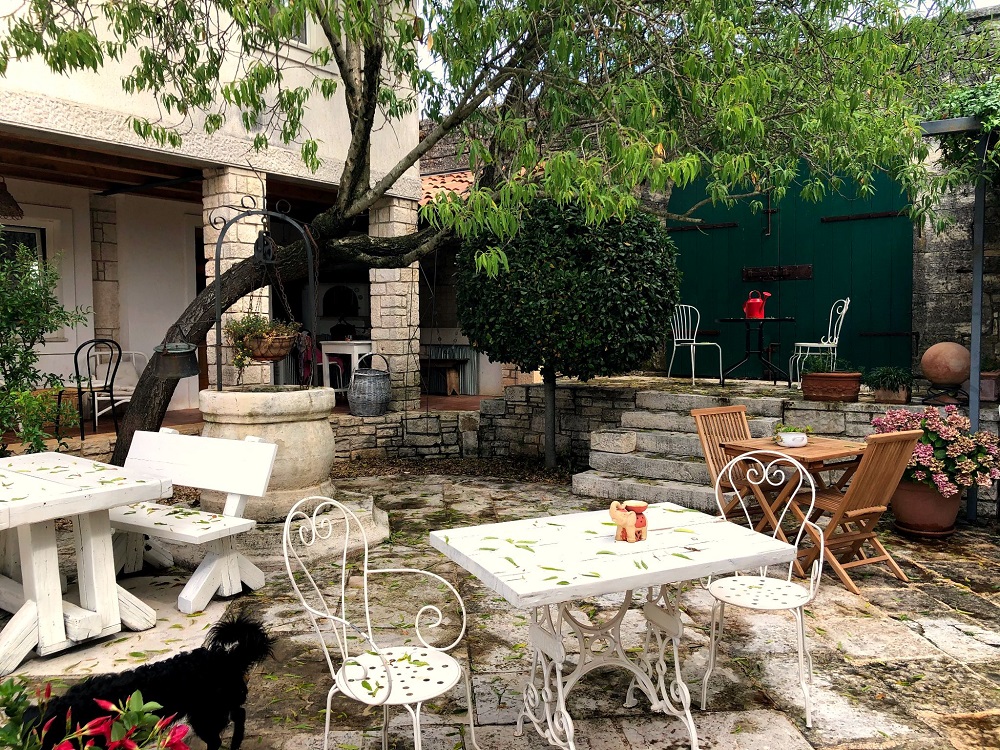
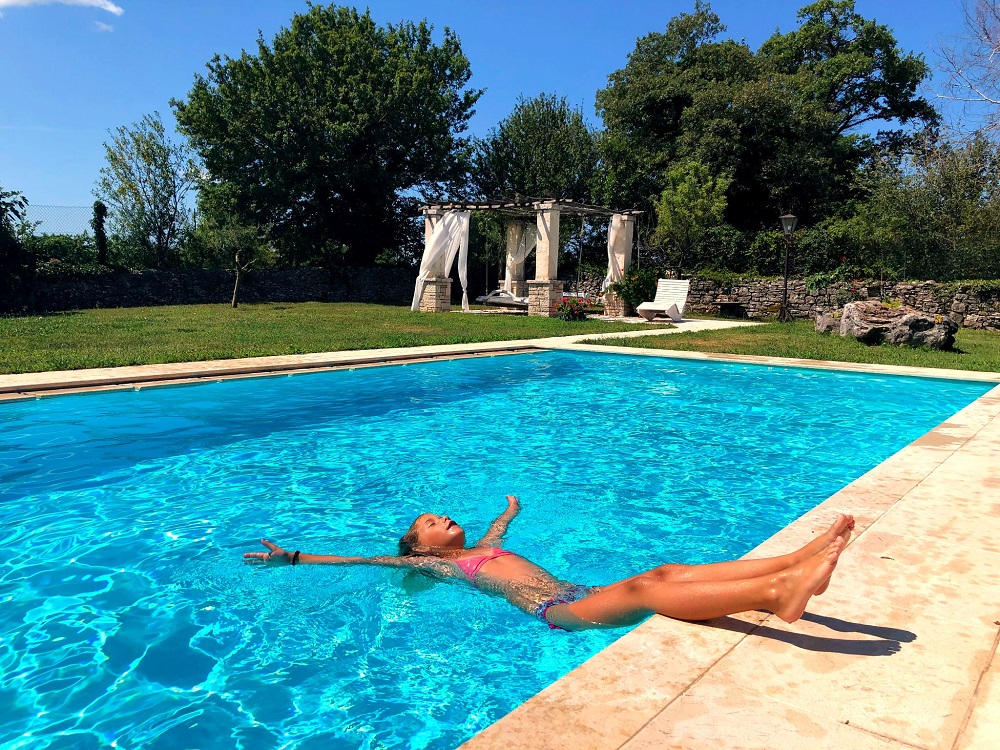
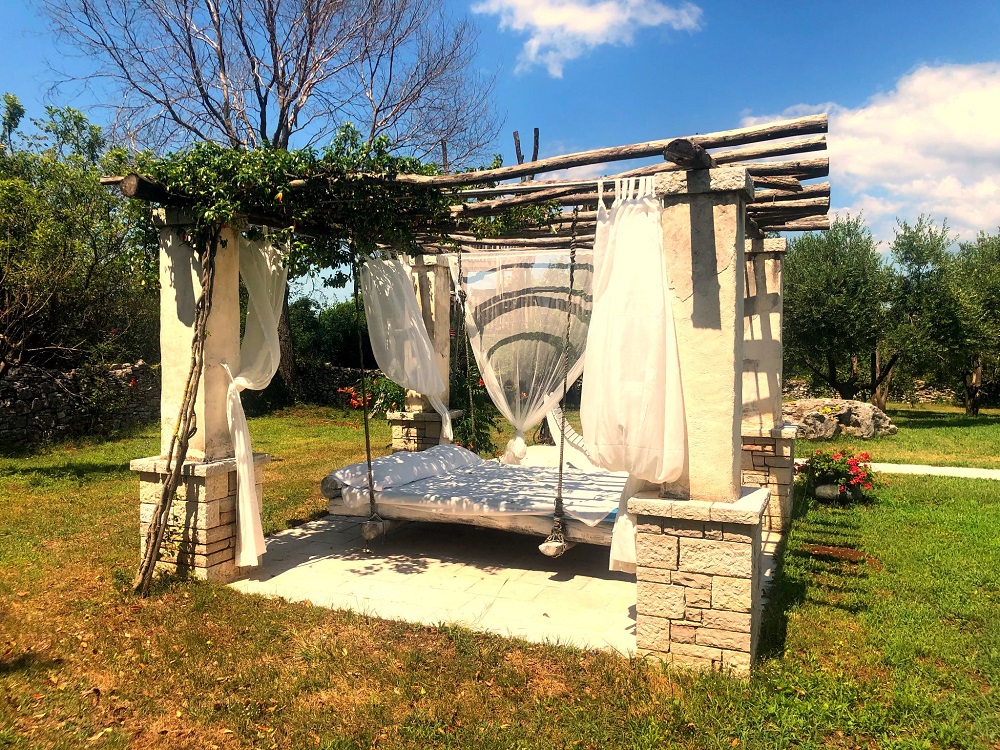
The owner, Mrs. Sonja, is the embodiment of Croatian hospitality. A perfect host, Sonja dedicates herself to her guests from the first welcome and to the moment they depart. One of the highlights of a stay at Casa Matiki is the breakfast, prepared by Sonja and her team in the cozy atmosphere of the dining room where guests can enjoy the aromas and flavors of a fresh, healthy breakfast prepared with local ingredients – including eggs from Sonja’s own chickens!

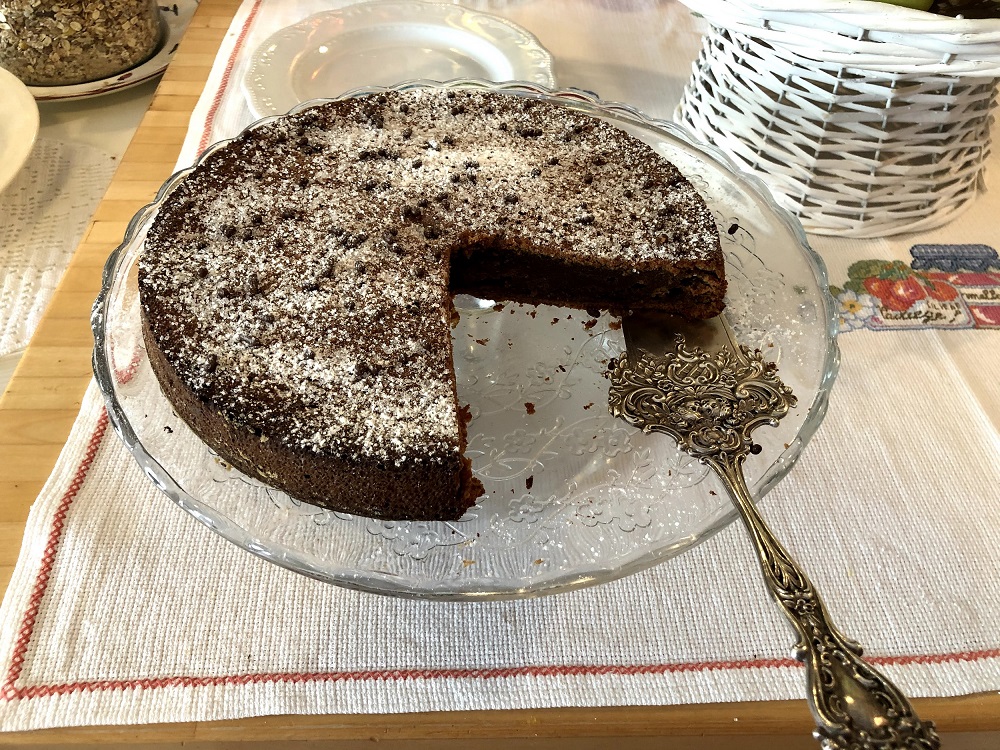
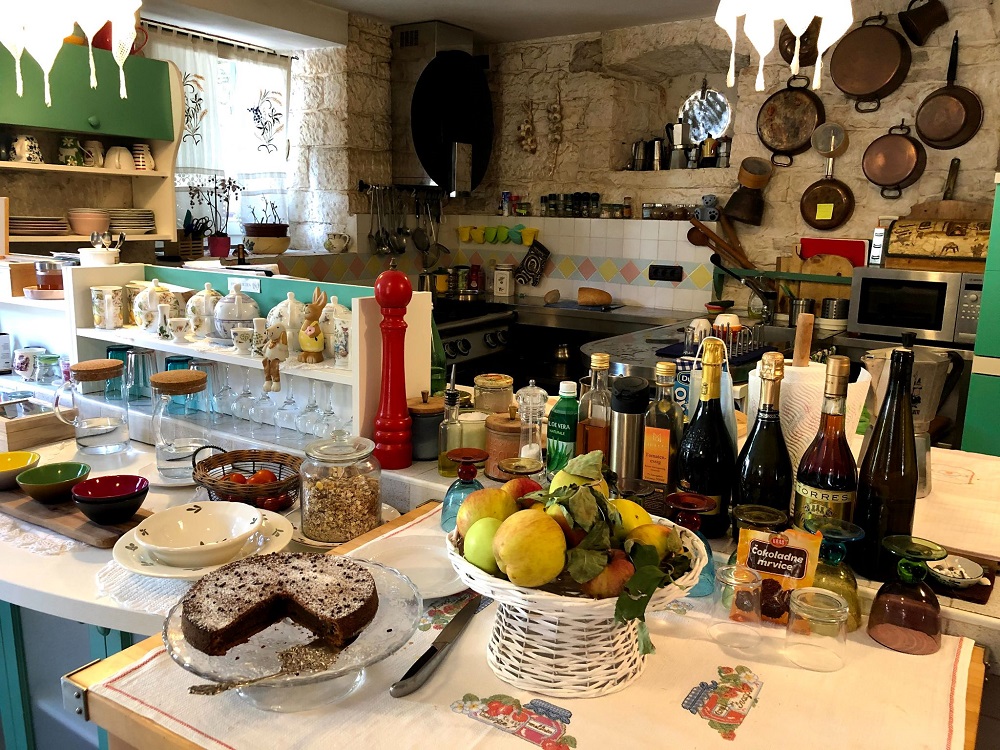
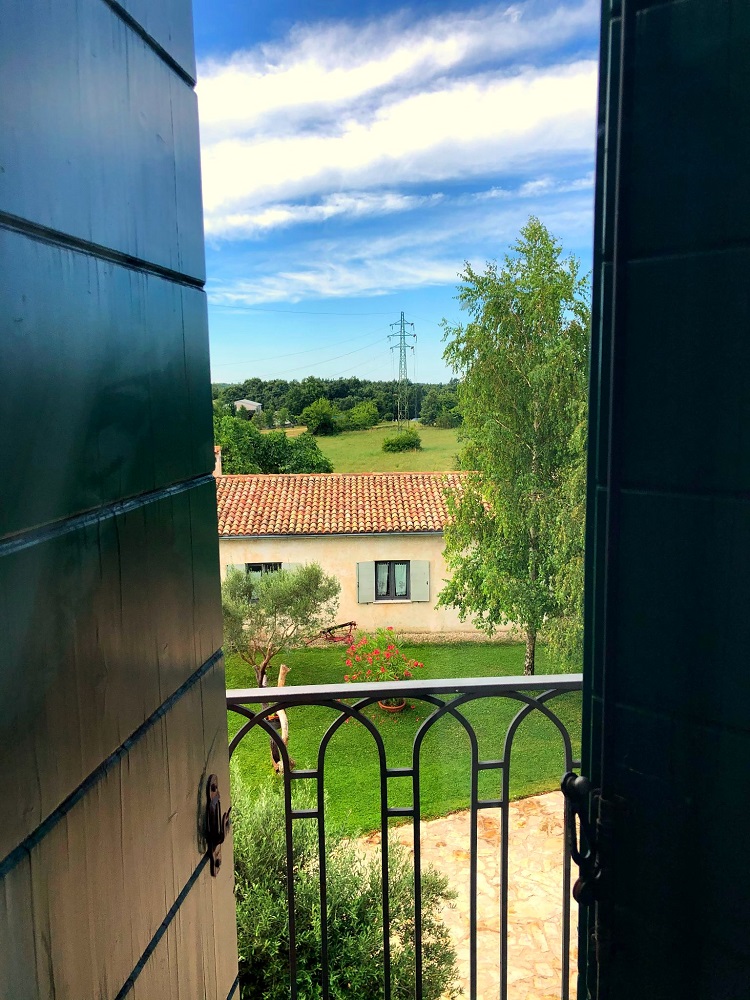
At Casa Matiki guests can enjoy comfortable accommodation in nicely decorated apartments. Three bright and spacious studio apartments are located in the main building and include en suite bathrooms, kitchenettes, and balconies. The apartments Pergola and Lavanda are located in a separate building, built in the typical Istrian style with spacious outdoor terraces.
Our experience at Casa Matiki
For a weekend getaway in July, I decided to visit Istria together with my daughters, a friend, and her children, and we chose to stay at Casa Matiki. After driving along the east coast of Istria, only an hour from my home in Rijeka, admiring the beautiful vistas over the Kvarner bay and the island of Cres, we arrived to our destination.
At the entrance we had an unusual yet interesting welcome from Obama and Tiffany, the owner’s faithful four-legged pets as well as from the chickens that were running around the property. How does that sound for a welcome? Can you imagine the children’s excitement to be spending the weekend in nature, surrounded with domestic animals, free to play outdoors!

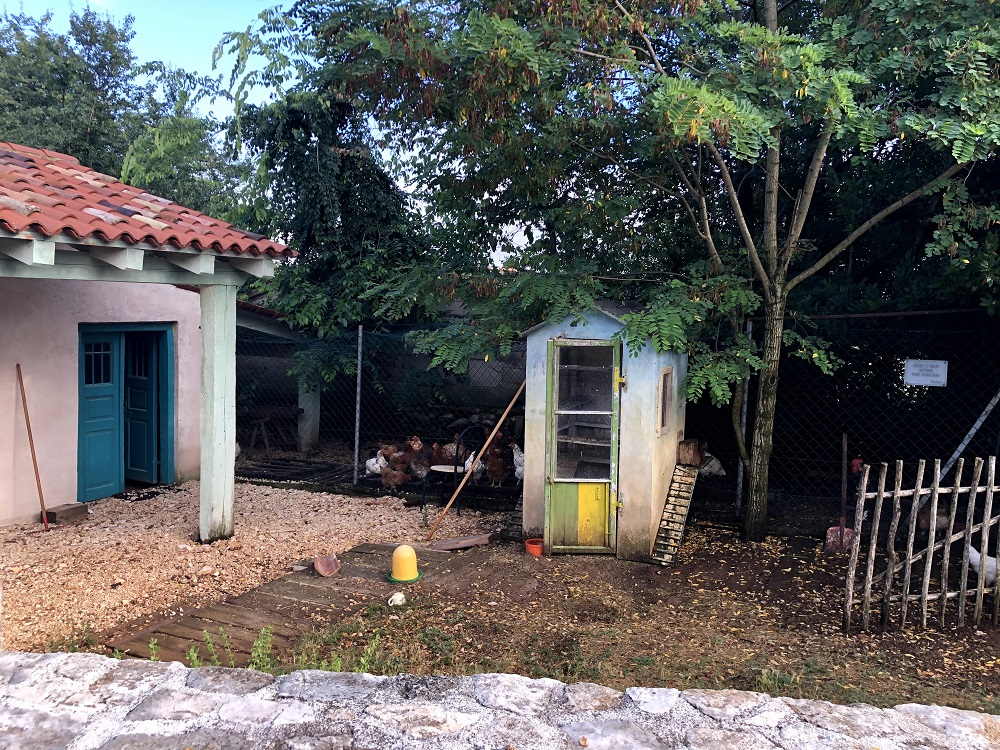
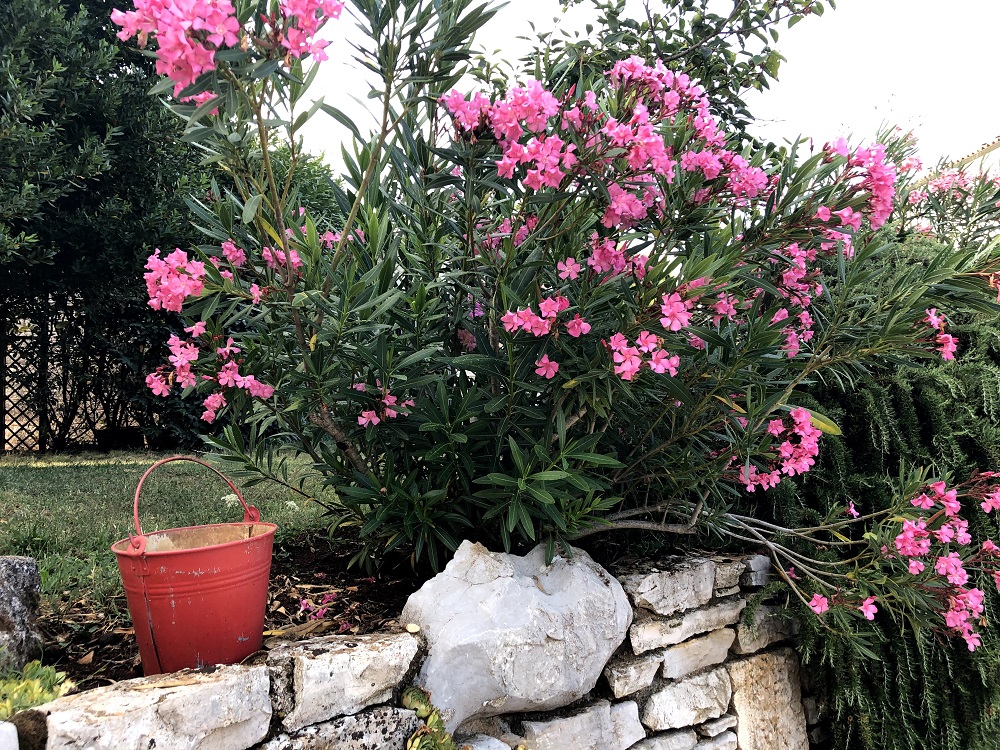
In front of the main building we found a charming wooded welcome sign with the names of all of the guests that were visiting the property. Our suite had 2 bedrooms, a spacious living room with a kitchen, bathroom and a terrace in the front. The details of the cozy interior left us feeling very much at home.
The children were immediately amazed by the life sized outdoor chess board and excited to be surrounded by nature and domestic animals. We all couldn’t wait to jump in the swimming pool and just relax on the sundeck. This was not just any pool – it was a true oasis. It is located on the top of the property, reached by passing a small farm with chickens, surrounded by olive trees and vines, as well as a small garden (where we later found Sonja picking the vegetables and fruit that were used for breakfast in the morning). The pool was very clean with sunchairs and shades, as well as several hidden corners with benches where guests can relax. The children’s favorite was a wooden lookout near the pool with swings; a perfect spot for hide and seek.

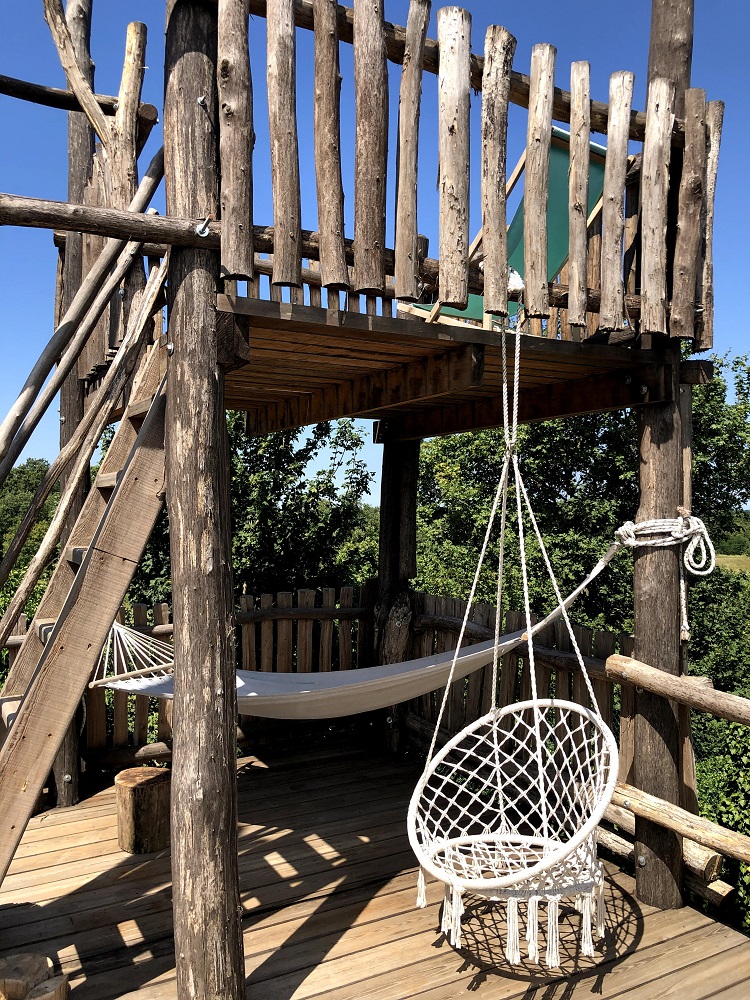
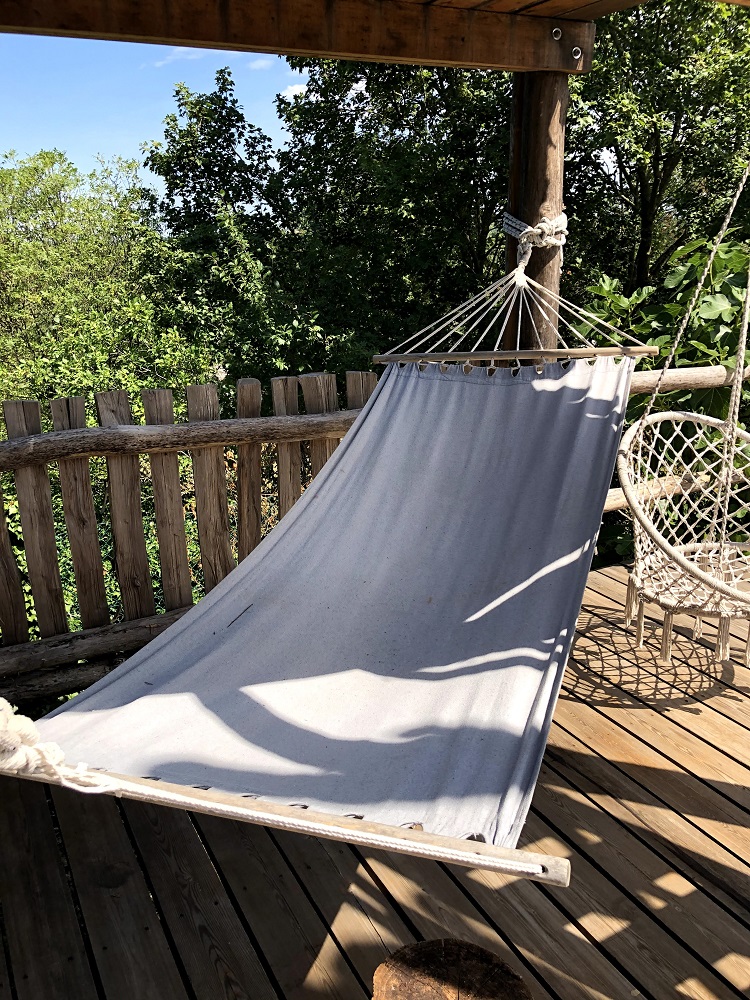
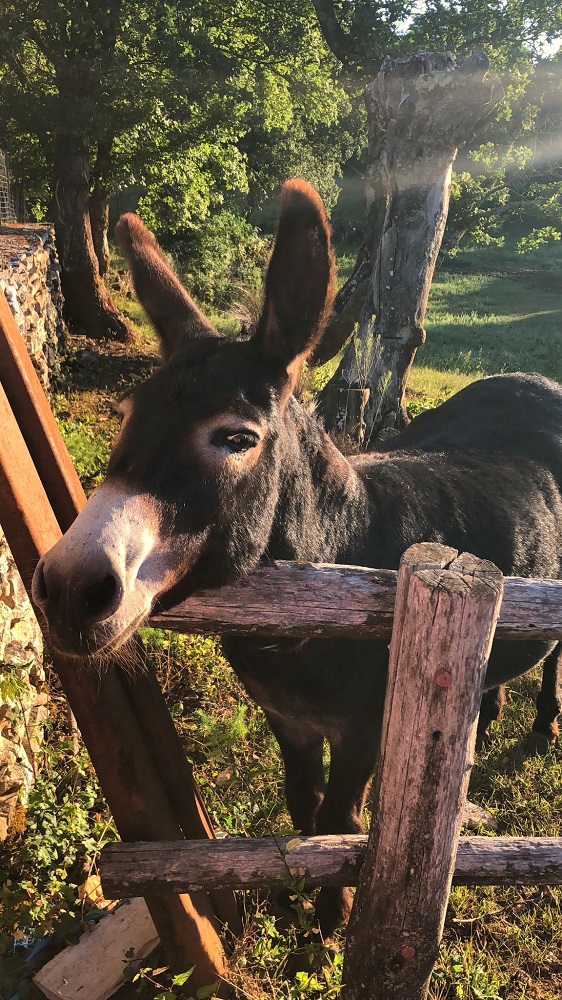
Another fun and memorable experience for our children was a visit to the donkey farm which is only 200meters from the property and also owned by Sonja. The children were thrilled with the idea of being able to hand feed the donkeys with old bread!
In the evenings, we all sat down together on our terrace, enjoying playing card games with children under the starry sky.
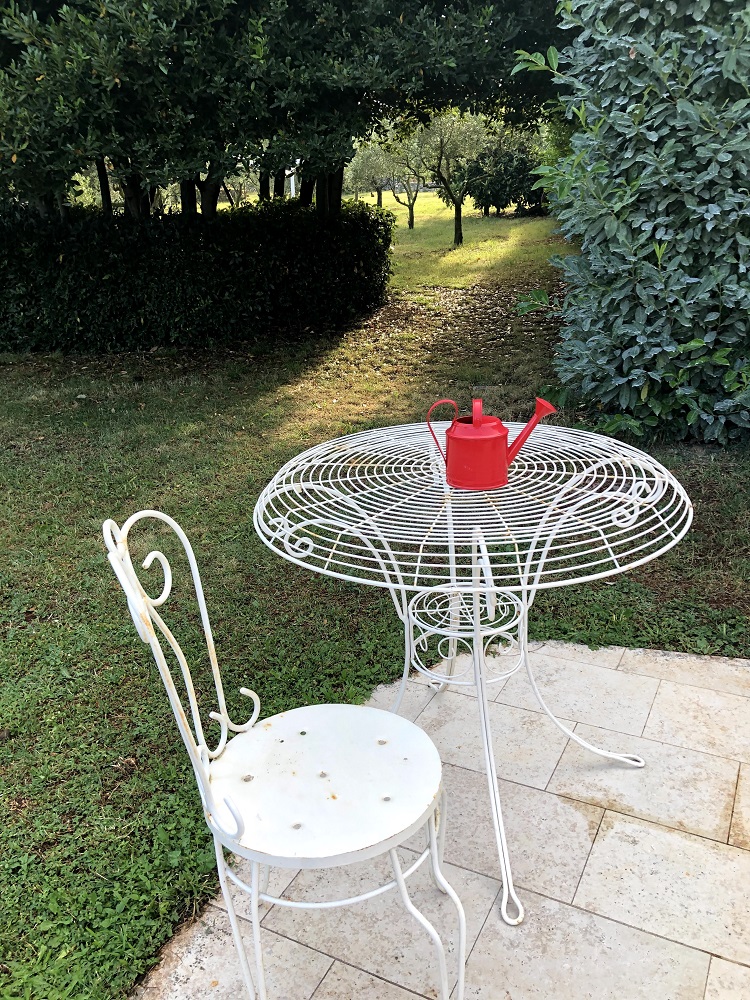

On the next day, we decided to explore the surroundings. It happened to be that in the nearby town of Kanfanar there was a local festival with klapa singing and an exhibition of traditional Istrian cattle called Istarski Boškarin. The atmosphere was perfect; mingling with the locals, listening to sounds of traditional Croatain songs performed by Klapa, and admiring the unusual exhibition of Boškarin, some of which were impressive with their size exceeding 1.000 kg.


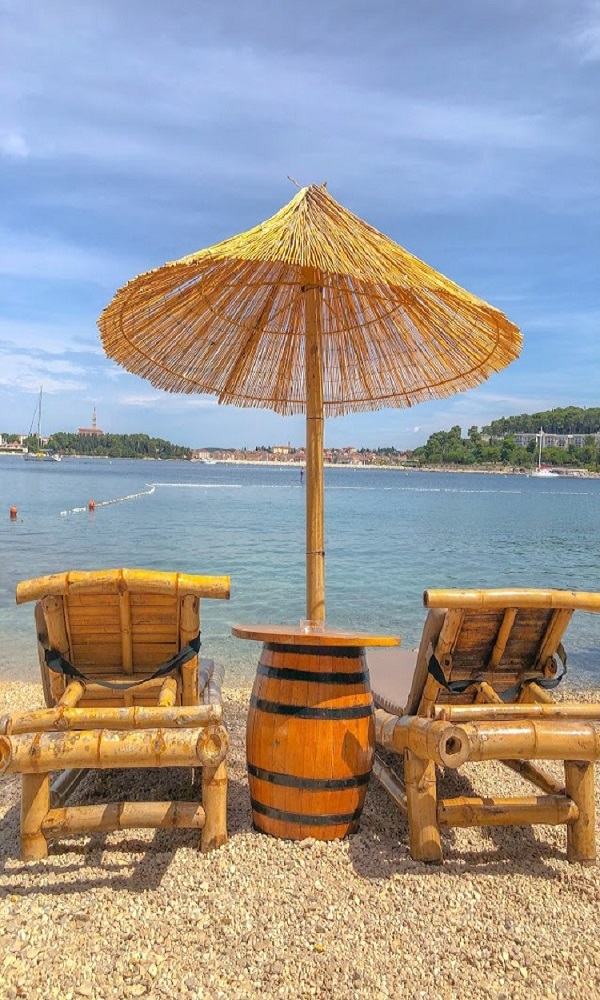
On the third day, we wanted to have a day on the beach, so we headed off to Rovinj; Istria’s most popular destination. We spent the day relaxing on a beach in front of the Golden Cape forest (Zlatni rt), enjoying a swim in the warm Adriatic and admiring the views of the old town of Rovinj.
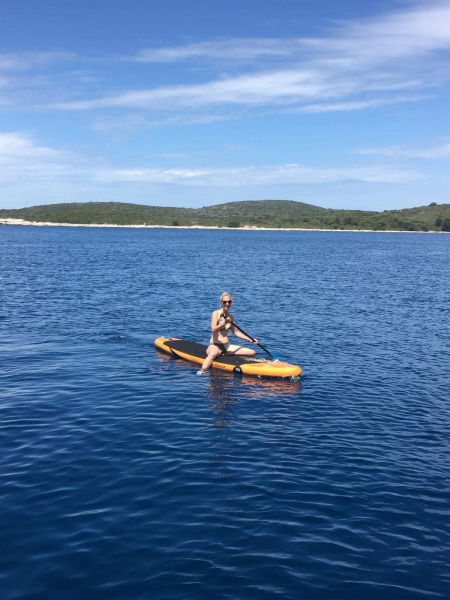
We found a perfect spot on a nice pebbly beach with straw loungers which we rented, located under thick pine trees that stretch all the way to the sea, providing perfect shade. Nearby we found a cozy beach bar where we relaxed sipping a cup of excellent Croatian coffee while the kids were enjoying their ice creams! As our children love an adventure, we rented stand up paddle boards and enjoyed paddling around the beautiful Lone Bay with vistas to the Old Town of Rovinj.


For the perfect ending to our short weekend break in Istria, we had the most delicious lunch at Konoba Tugurio, located just outside the Old Town of Rovinj. On every occasion that I visit Rovinj, I keep returning to this wonderful restaurant, with welcoming and friendly staff and delicious homemade meals in the most pleasant atmosphere of a garden terrace under the trees. We tasted Peka, one of Croatia’s most famous specialties, prepared with lamb meat, potatoes, and vegetables. This traditional meal is prepared using a special process of slow cooking “under the bell” (under a dome shaped lid) – a must try when visiting Croatia!
And so it was the end to our relaxing Istrian weekend getaway – but the memories I will keep forever. It was a weekend rich in new experiences, which left our bellies full and smiles on our children’s faces.
Until our next visit to Istria…
Read more about Rovinj here.
Contact us to create your own dream family holiday in Istria!
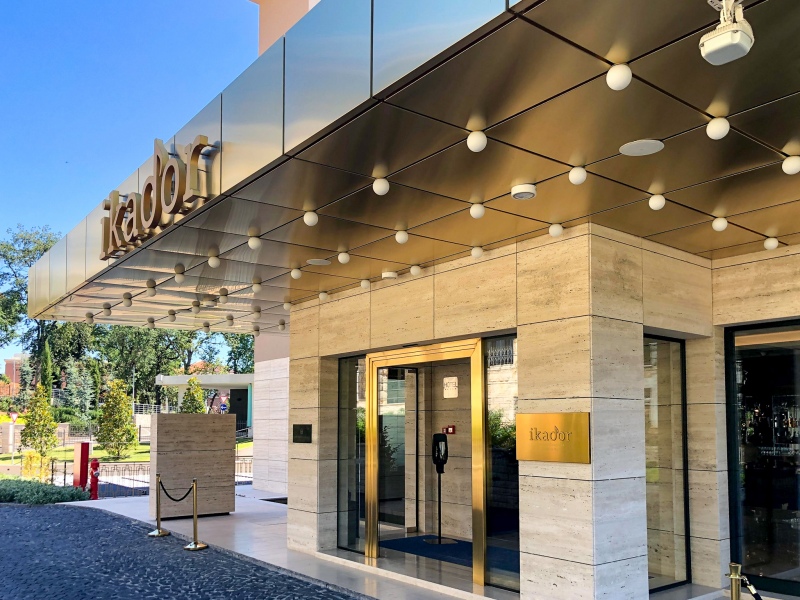
Ikador Luxury Boutique Hotel & Spa
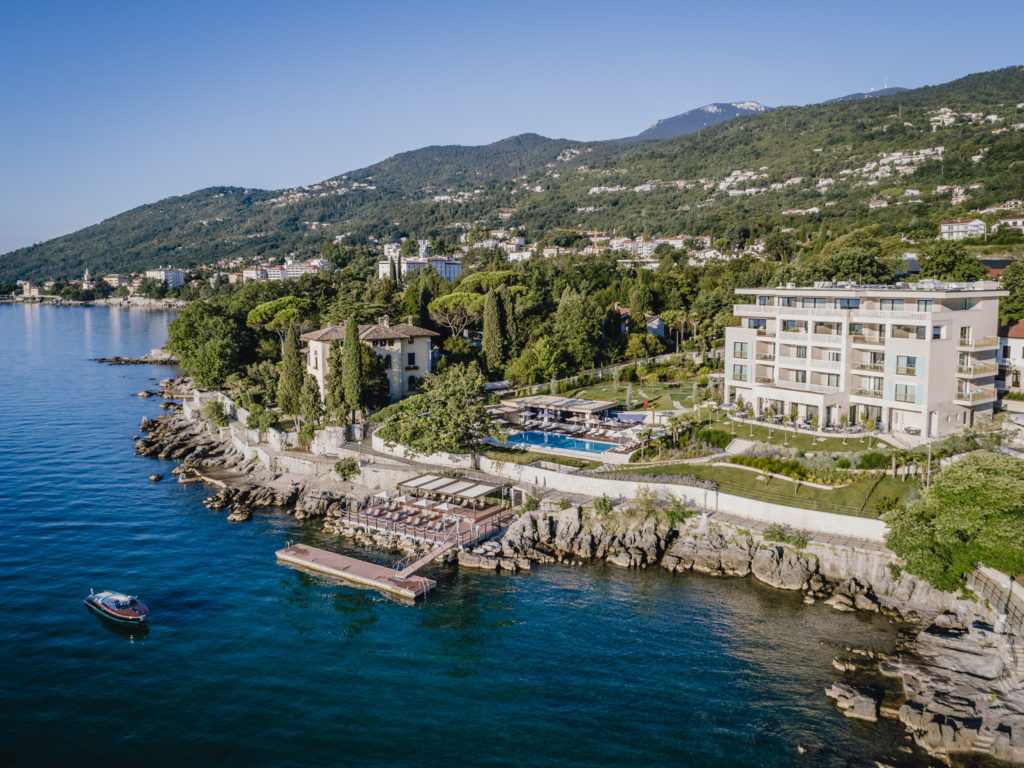
Ikador’s slogan aptly states, “Sounds perfect,” and we couldn’t agree more.
The team at Tasteful Croatian Journeys provides the finest tailor-made experiences to our travelers, with dedicated attention to every single detail. As part of our process, we personally visit properties in order to approve and recommend them to our travelers.
Our Tasteful Croatian Journeys Concierge, Mirela Benic, recently visited the newest luxury property on the Kvarner Riviera; we are pleased to share with you Mirela’s impressions of the Ikador Luxury Boutique Hotel & Spa.
About Ikador Luxury Boutique Hotel & Spa
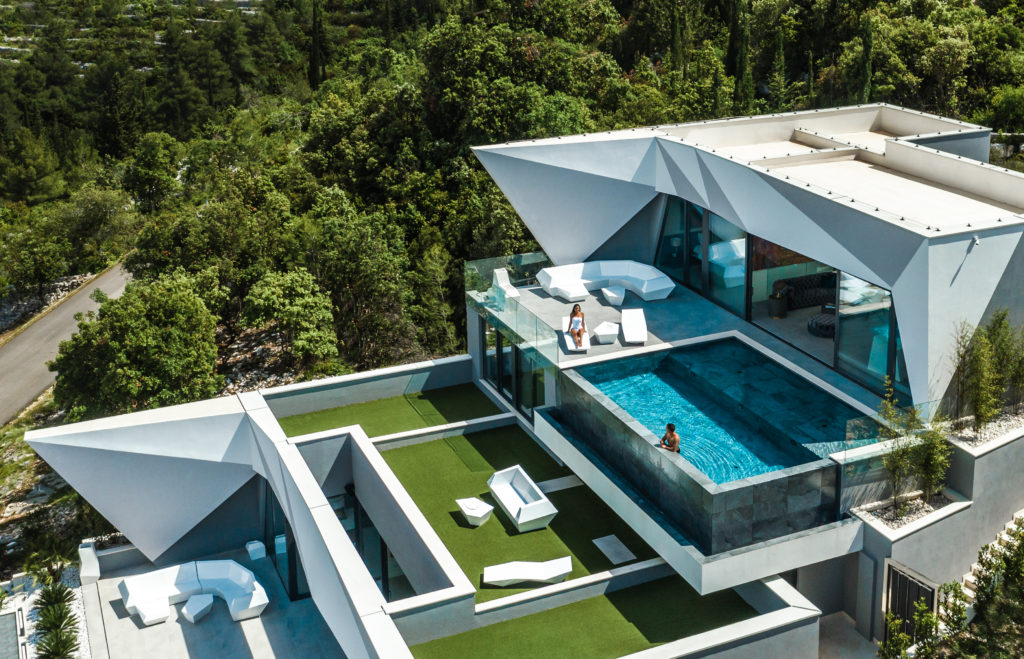
In April 2019, Croatia gained an outstanding addition to small luxury boutique hotels with the opening of the 5 star Ikador Luxury Boutique Hotel & Spa, one of the most luxurious hotels in Croatia. Even before its opening, Ikador became a proud member of the Leading Hotels of the World, guaranteeing exclusivity and high quality of service with this prestigious title. It is also one of only 7 Riva Lounge locations in the world, side by side with the world’s most elite destinations such as Monaco and Venice. Of them, it is the only hotel proudly owning both Riva Yacht brand concepts – the Riva Lounge pool & bar area and the Riva Privée chef’s table area, designed and furnished by Riva Yacht designers.
Ikador Luxury Boutique Hotel & Spa is situated in the heart of the Opatija Riviera, the cradle of tourism in Croatia, a region with a remarkable history and heritage dating back to the 19th century when notable members of the European aristocracy started visiting as a health retreat. This area is blessed with a unique microclimate; its mild winters, humid air, and sea water with a high saline content, make it a healing oasis.
The hotel is located in the small town of Ika on an exclusive private boutique estate. It is surrounded by magnificent scenery, backed by mountains and facing the crystal blue sea of the Kvarner Bay in front. Its location provides easy access by car or plane, easily reachable from the main hub of the Zagreb Airport or smaller local airports such as Rijeka and Pula.
Ikador is a small luxury boutique hotel aiming to provide excellence in every aspect of their guests’ stay, offering personalized service and tailor made experiences in a luxury environment.
Our impressions
From the moment I arrived at this exclusive property, I was blown away by the location and stunning views overlooking the bay of Kvarner. Approaching the elegant golden entrance, I was welcomed with a warm smile by the hotel staff, who had taken care of my car and parked it in their private underground garage, which is also equipped with charging facilities for electric cars. Together with Ms. Gordana Kušec Knežević, the property’s Sales and Marketing Manager and my host for the day, I started my adventure exploring this stunning property. From the elegant reception area I was led through the hotel’s lobby bar to Nobilion Restaurant, a place where guests can enjoy a true gourmet experience. Seated within the restaurant as well as on the beautiful terrace, a number of guests enjoyed their lunch while Gordana and I continued our tour of the property. Attending to them was Ikador’s highly professional staff, who ensure an impeccable standard of service and relaxing environment for all who visit the hotel.
Ikador’s outdoor area is something truly special. The vivid green of the gardens, the blue of the Adriatic Sea in front, and the golden light of the sun shining on a warm summer day provided the perfect image of a Mediterranean paradise. The lounge area was spacious and inviting, with an outdoor infinity pool and pool bar, as well as sun chairs for lazy summer afternoons. “This is a place where you would want to spend your vacation,” was the first idea that came to my mind.
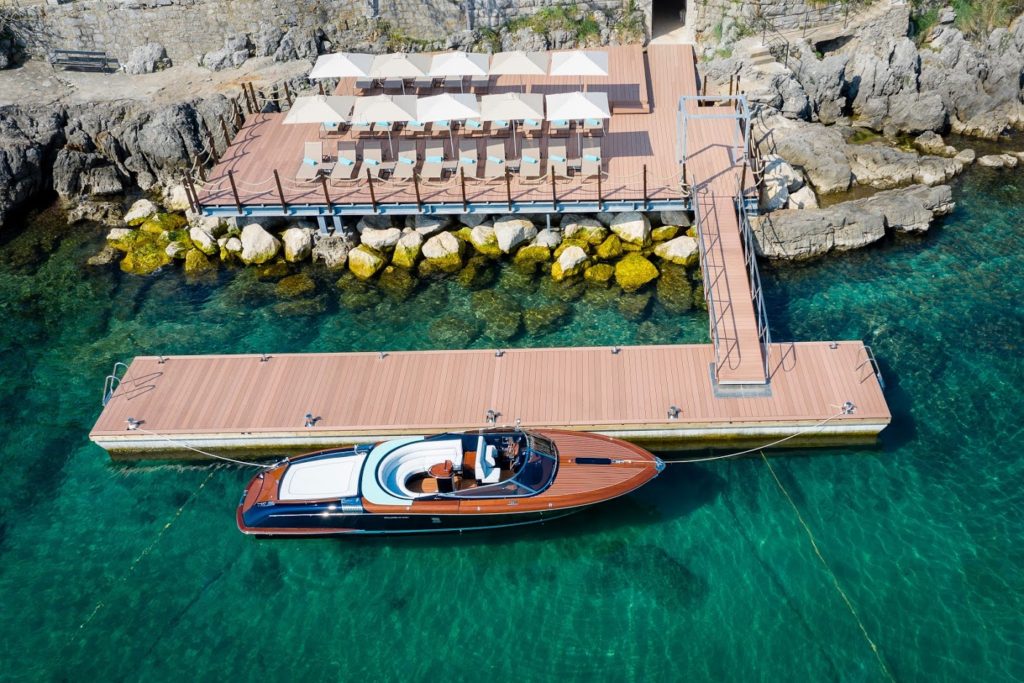
With several steps towards the sea, through a private passage underneath the Opatija promenade, we arrived at the hotel’s private wooden deck beach built elegantly on the rocks; ideal for a refreshing dip into the Adriatic. One the Ikador’s most special offerings is their private Riva Aquariva speedboat. Moored to the deck in front of the hotel, the speedboat is at the guests’ disposal, waiting to take you to discover the secret hidden gems of Kvarner.
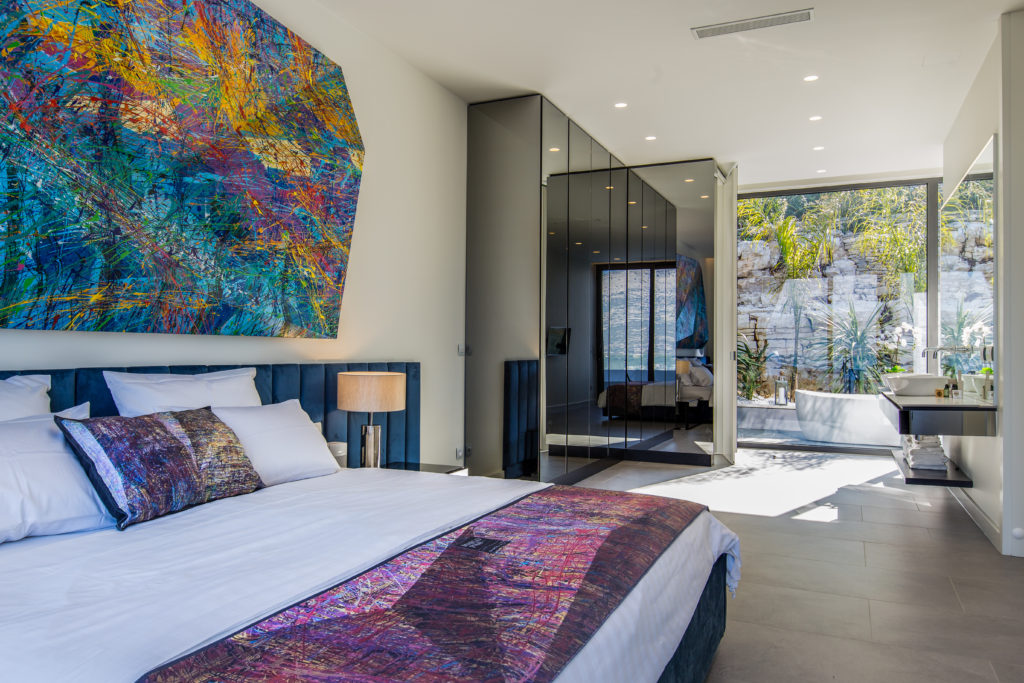
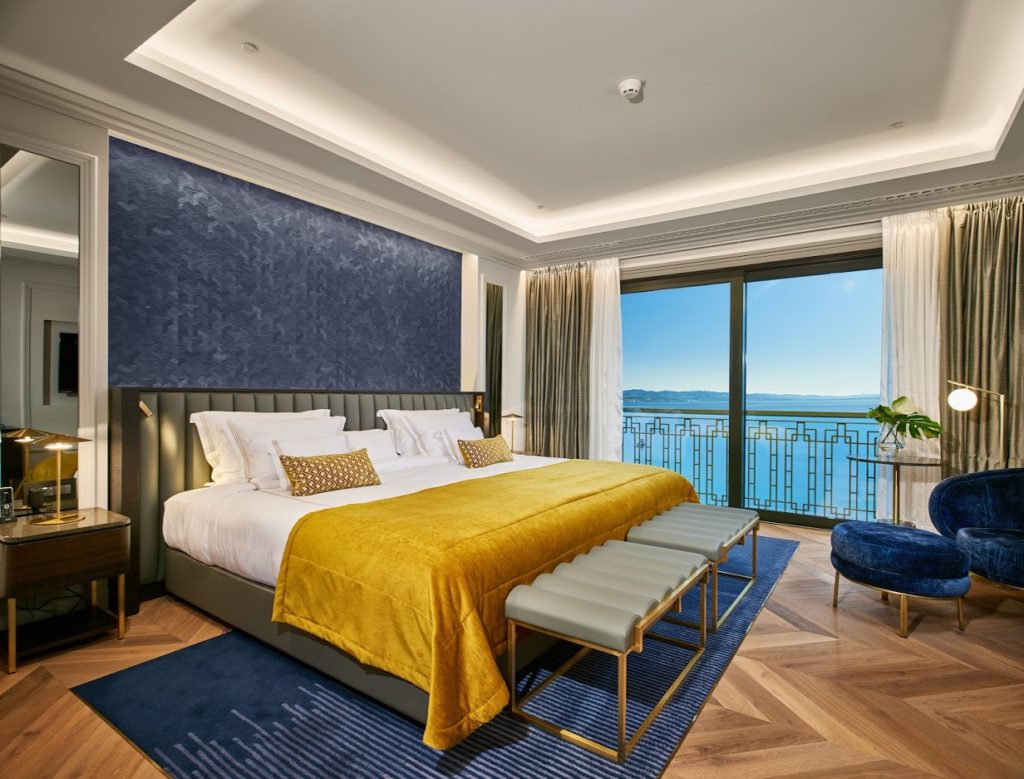
As far as accommodation at the Ikador, the boutique property offers 16 rooms rooms and suites, all generously sized to provide true comfort to guests. Elegant and impressive suites boast carefully designed details in bedrooms and living rooms, bathrooms with branded amenities, as well as spacious balconies and terraces overlooking the sea and the gardens. At Ikalia Spa, which spans one entire floor of the hotel, guests can enjoy special treatments and moments of pure relaxation to complete their stay.
It SOUNDS PERFECT, doesn’t it?
More about what you can expect at Ikador Luxury Boutique Hotel & Spa
Your team at Tasteful Croatian Journeys is ready to curate your perfect stay at this unique and luxury property.
Learn more about what the spectacular property has to offer below.
Luxury accommodation is available in each of the Ikador’s 16 elegant rooms and suites overlooking the sea, with sizes ranging from 540 sq ft to 1,500 sq ft

With modern and elegant design, every room at the Ikador offers luxury and functionality. However, our personal favorite is The Royal Suite, which hosts a separate living room and bedroom. Its terrace overlooks the blue majesty of the Adriatic, a view accented by fragrant notes of Mediterranean flowers. This spacious apartment accommodates up to four people and is ready to meet all the needs of those who want to enjoy their stay without compromise.
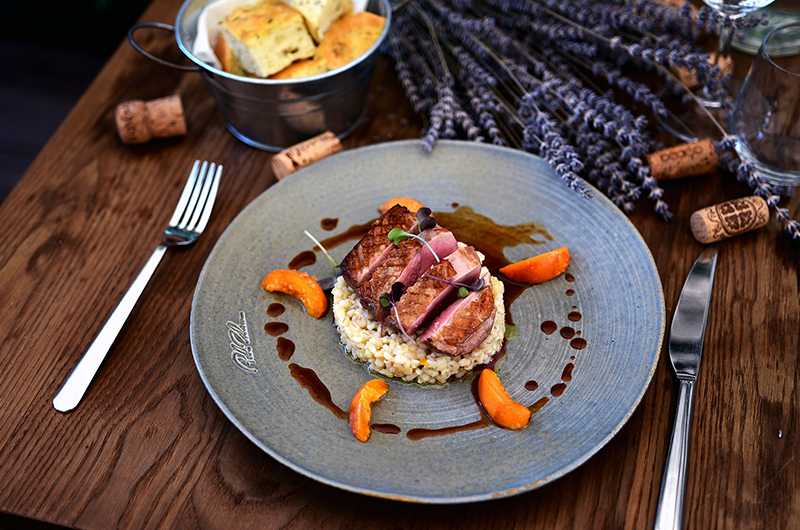
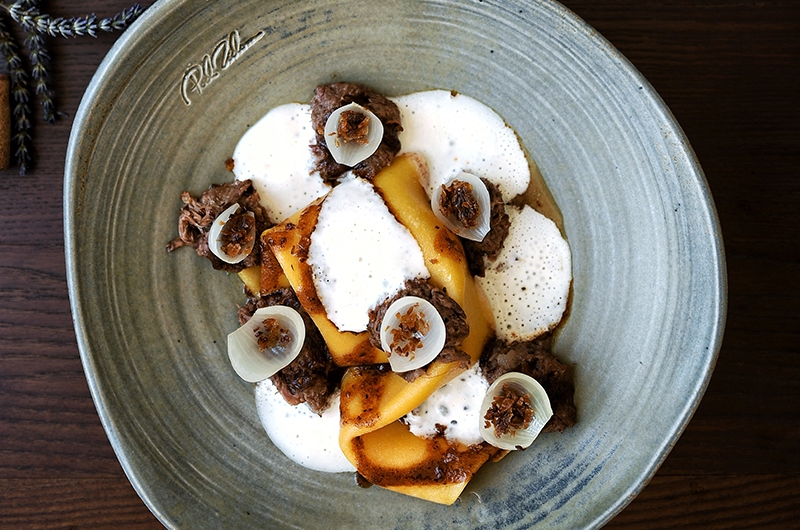
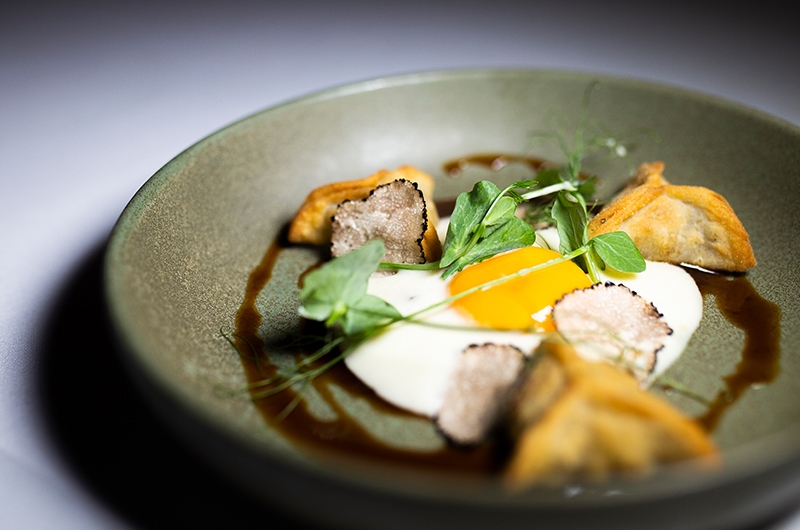
Gourmet cuisine meets authentic flavors of Kvarner at the elegant fine dining Nobilion Restaurant and at Chef’s Table at Riva Privee
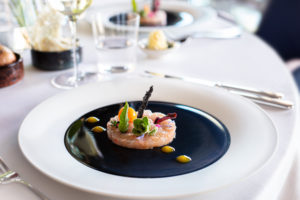
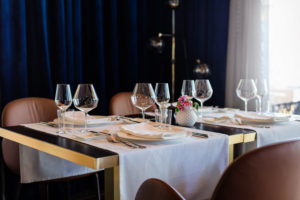

The fine dining Nobilion Restaurant is a place of indulgence, devoted to Mediterranean cuisine using only the top local and indigenous foods and finest quality wines. At Nobilion Restaurant, guests can experience Mediterranean cuisine based on carefully selected local ingredients paired with top quality wines, led by the restaurant’s experienced chef and his team. It is not only a place for fine dining, but also a place of true enjoyment for modern hedonists. For guests looking for a higher level of privacy in the restaurant, there is the Riva Privée, a private room where guests can enjoy lunch and tasting menus surrounded by timeless Riva design.
The Riva Lounge and private beach offers the perfect place to spend the day enjoying spectacular views of the Kvarner bay
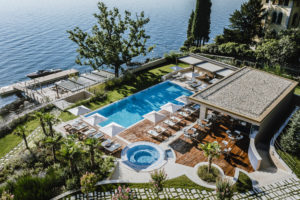
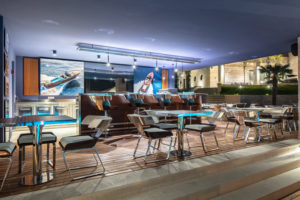
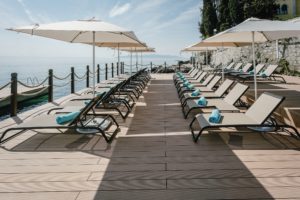
The Riva Lounge is an elegant outdoor space carefully designed by Italian Riva Boats, located around the area of the outdoor infinity pool with heated sea water only steps away from the sea and private beach. At Riva Lounge, guests can relish in moments of relaxation while listening to the gentle sounds of music and enjoying top quality signature cocktails and food from the pool bar.
The elegant Private Riva Aquariva speedboat invites guests to explore the beautiful Kvarner Bay and surrounding coast
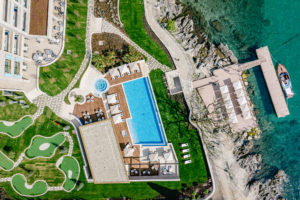
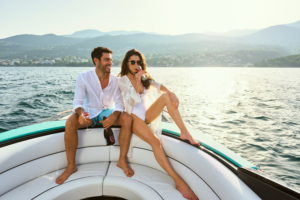
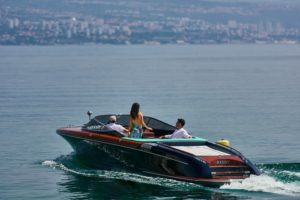
The highlight of the Riva Lounge is the Riva Aquariva Super speedboat, moored to the private dock in front of the hotel. It is well known as an icon of style and elegance among elite boats, which is available to guests to explore the beauty of the surrounding coast; the islands and towns of Kvarner Bay. Step onto the Riva Aquariva and feel like a Hollywood star.
The Ikalia Spa offers the ultimate in relaxation with spa and body treatments.
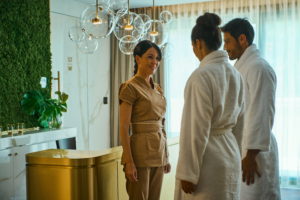
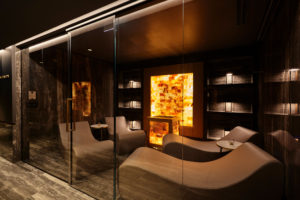
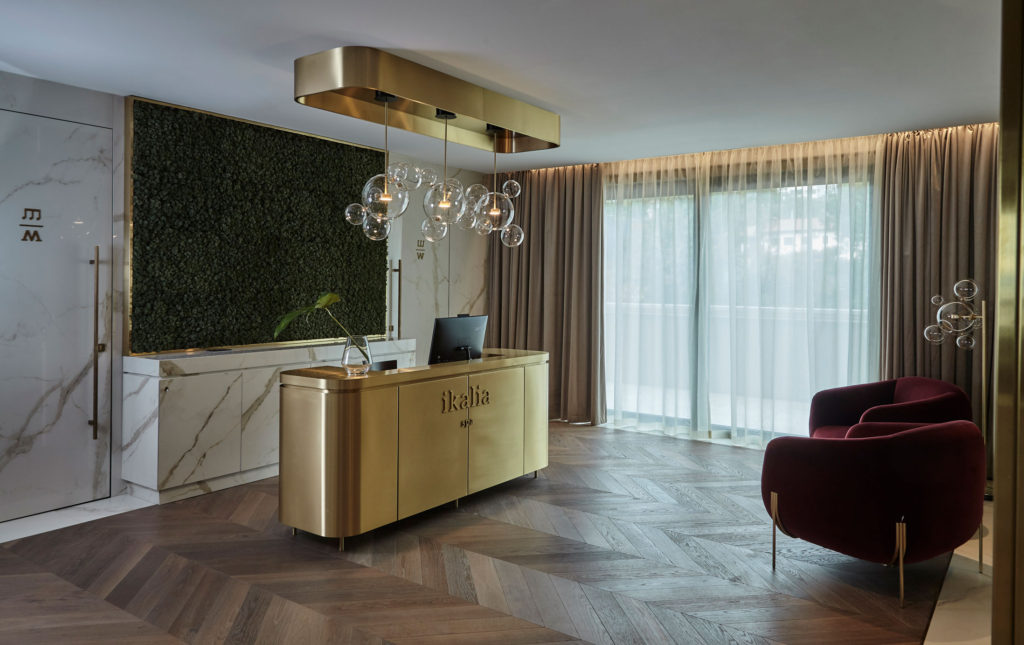
Indulge your senses in the unique luxury Ikalia Spa, offering guests a variety of treatments such as Zero body therapy, adventure showers, hydro massage, various other massages, facials, baths, and body care rituals. The spa is also home to saunas, salt rooms, and a gym. Ikalia Spa is especially proud of its signature experiences such as sound therapy, and therapy with precious stones and gold. From all the treatment rooms and terraces, guests can enjoy the impressive views overlooking the Adriatic Sea and the islands.
To have the best experience of the Kvarner region, the Ikador MAESTRO is at your service to make your stay at Ikador most pleasant and unforgettable..
The Ikador Maestro is your Experience Manager. He will listen carefully to your wishes and interests and create unique and memorable experiences in the hotel and its surroundings as only a knowledgeable local expert is able to.
For Tasteful Croatian Journeys guests staying at the Ikador, we have created several tailor made packages.
Our favorite is the one carefully designed for our dear honeymooners (or anyone else who is still a honeymooner at heart)…
Sounds Romantic
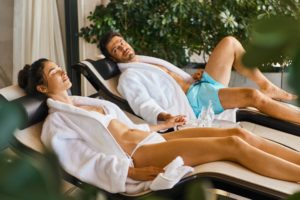
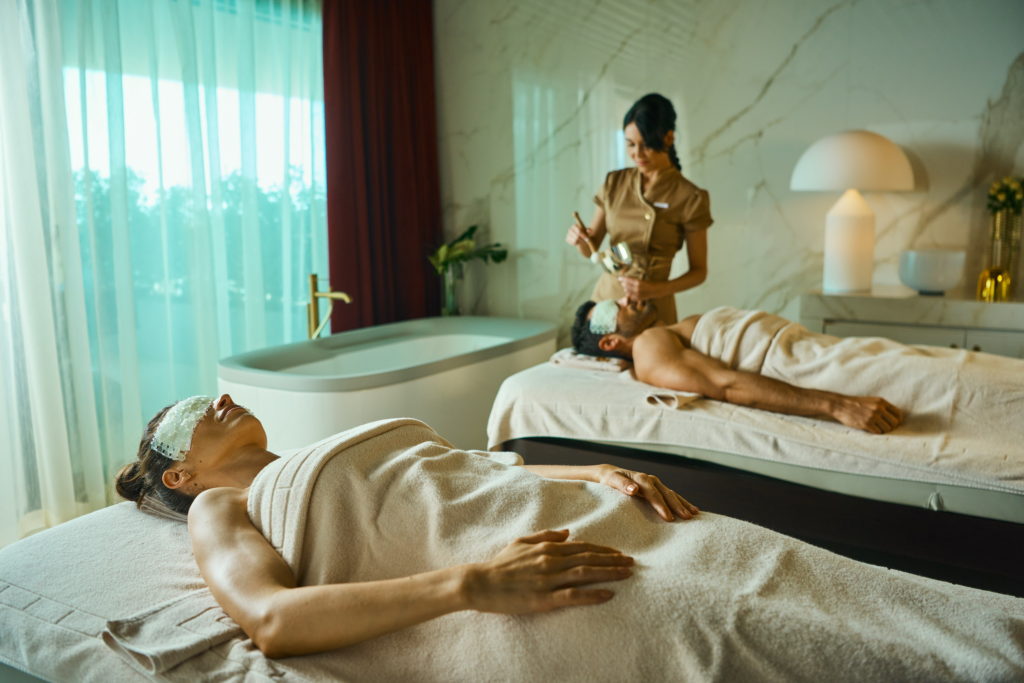
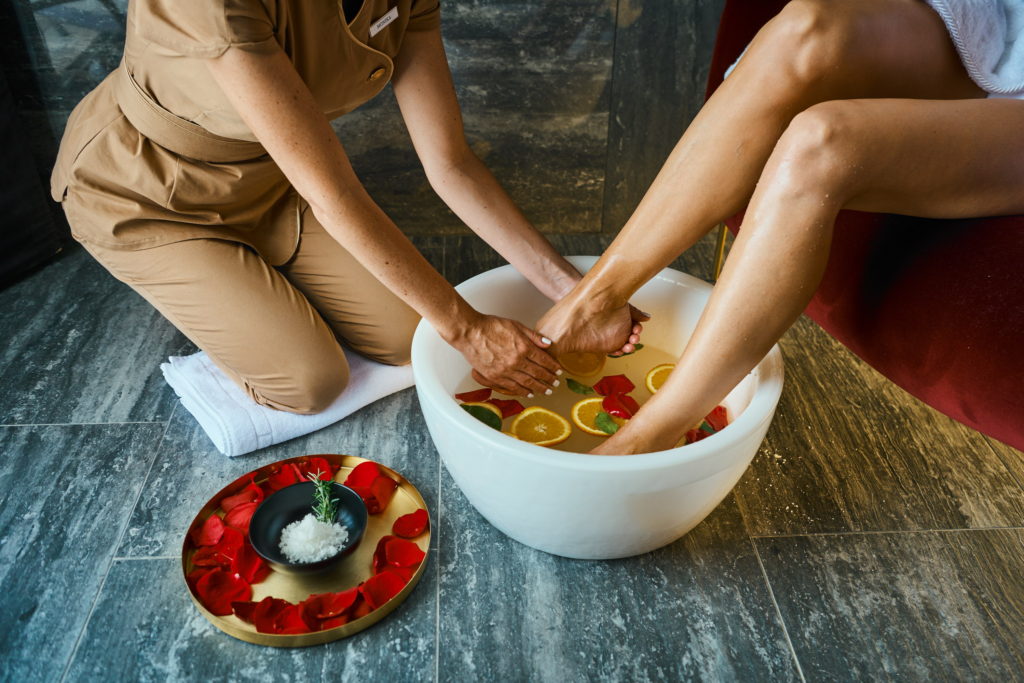
Love is life’s greatest journey, and one which is nurtured through romantic indulgence. Tasteful Croatian Journeys invites you to experience Ikador’s signature 3-day “Sounds Romantic” couple’s escape. Your first day will start with a romantic dinner for two, featuring a 6-course degustation menu at one of the property’s elegant on-site restaurants. After evoking the hedonist within you, the next day will be perfect for a private 1-hour romantic sail into the sunset aboard the stylish Riva Aquariva with a chilled bottle of Bollinger champagne. The third day is reserved for a special treat, a date at the Ikalia Spa and the Amber Rendezvous experience (110min). Step into your private Amber Spa suite while enjoying your spa cocktail and a sensual foot ritual. Your therapists will show you massage techniques to use during your private couple’s interlude in your private Roman Bath chamber. You will then enjoy luxurious side-by-side amber cream massages, leaving you feeling relaxed, refreshed, and, of course, in love. Here’s to grand romantic gestures!