The Top 5 Reasons Your Next Trip Should Be To Istria
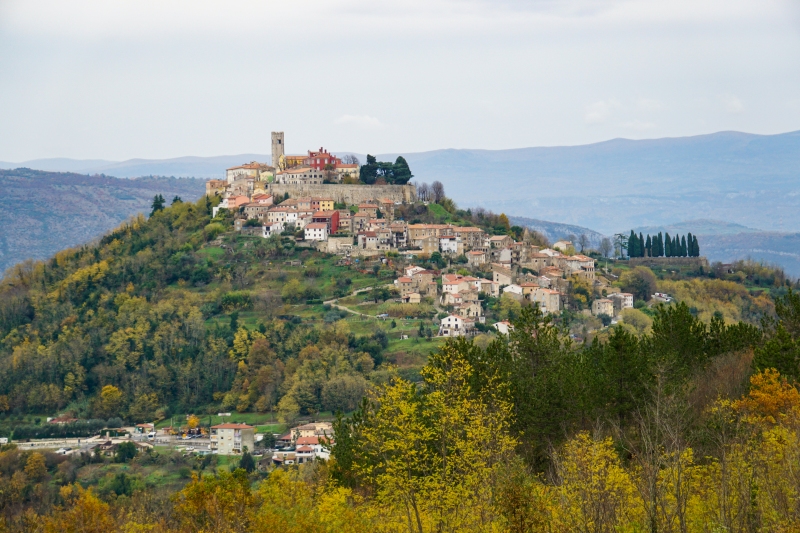
Croatia is best known for its multitude of islands and pristine national parks which draw visitors to its south, but don’t let the allure of sunny Dalmatia distract you from discovering the hidden gem that is Istria. This heart shaped peninsula in Croatia’s northwest boasts a verdant interior made up of truffle-rich forests, fertile valleys, olive groves, vineyards, and rolling hills, crested by hilltop settlements and stone-built villages. Its rocky, indented coastline is dotted with colorful fishing villages and ancient port towns.
With so much to discover, there are countless reasons Istria should be your next vacation destination, but we’ve narrowed it down to the top five.
1) Charming Hilltop Towns
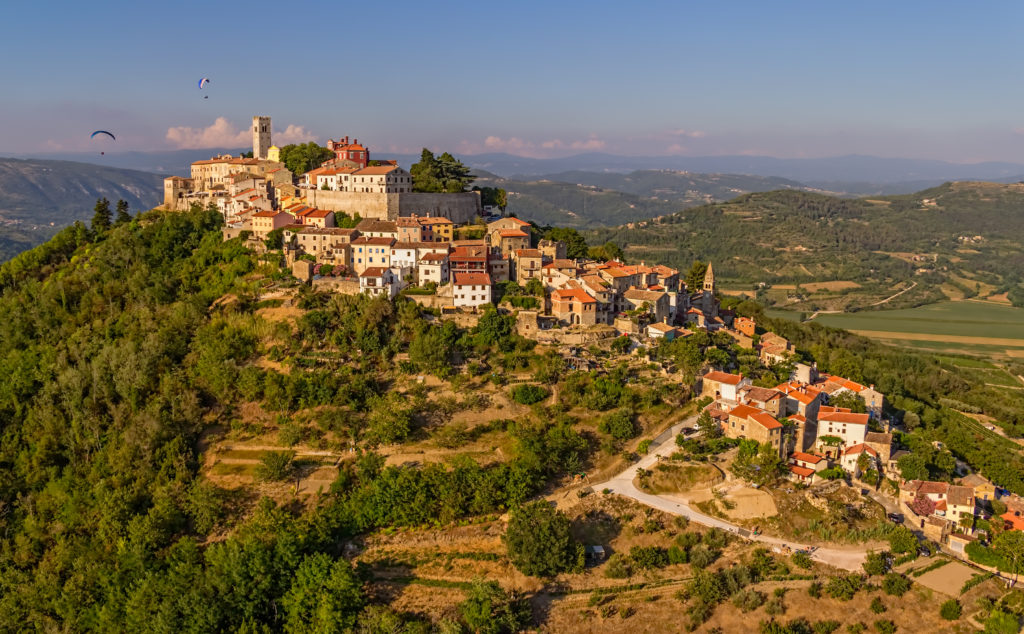
Istria’s inland is an area of exceptional beauty, a rural landscape of undulating hills, perched atop which you will find charming medieval villages. One of the most popular hilltop towns, and also the most picturesque, is Motovun, the birthplace of racecar driver Mario Andretti. The historic town center boasts a 13th century bell tower and municipal palace, cobbled streets, and shops selling local products. For a small fee you can walk the walls which surround the city and enjoy breathtaking views of the surrounding countryside.
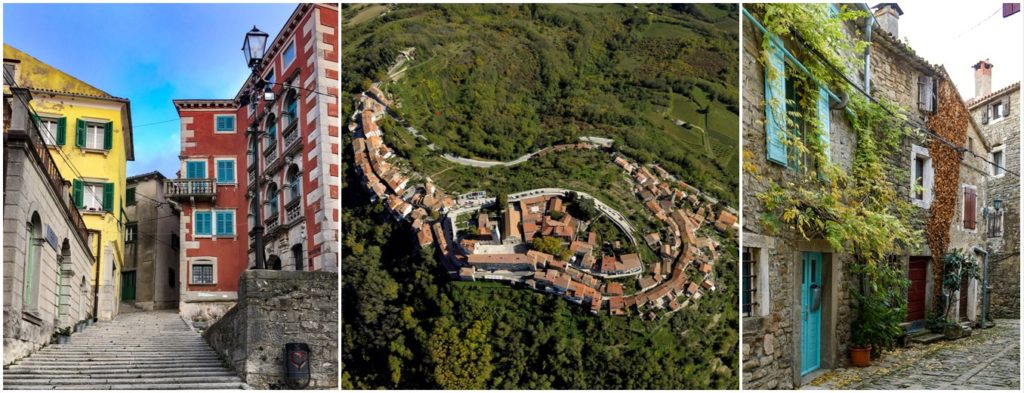
Just ten miles away you’ll find Grožnjan. Once all but deserted, artists and musicians began to flock to the town in 1965 after encouragement by the Yugoslav government. The formerly abandoned houses are now homes to more than 20 art galleries displaying the works of local painters, potters and sculptors. Additionally, it is home to a summer music school for young musicians, which often holds recitals and concerts in the town’s square. Farther south, overlooking the seaside town of Rabac, is Labin. Once a coal-mining town, the historic center of Labin displays colorful houses, a mixture of Gothic, Renaissance, and Baroque architecture as well as a number of Venetian palaces and churches. One such palace, the baroque 18th-century Battiala-Lazzarini Palace, now houses the Labin Public Museum, which outlines the area’s history from ancient times to present, including a realistic recreation of a coal mine. Those who climb Labin’s winding streets to the fortress atop the town will be treated to panoramic views of the sea, the resort towns below, and the rocky island of Cres.
2) Gastronomy: Truffles, Wine & Olive Oil
It’s no surprise that Croatia’s first Michelin starred restaurant, Monte, finds its home in Istria. The soil composition and microclimate make the region ideal for producing both wine and olive oil. The verdant forest located in the valley of the Mirna River is a prime location for truffle hunting. And to top it all off, the proximity to the sea – specifically the clean, clear waters of the Kvarner Gulf, famed for its delicate scampi – provides succulent fresh seafood. With direct access to so many local delicacies, it’s the ideal location for talented young chefs to make a name for themselves. In addition to fine dining, there is no shortage of rustic taverns and family run farms serving traditional cuisine. Truly, Istria is a foodie’s paradise.
When traveling the region, one should be sure to make time to revel in all of its gastronomic offerings.
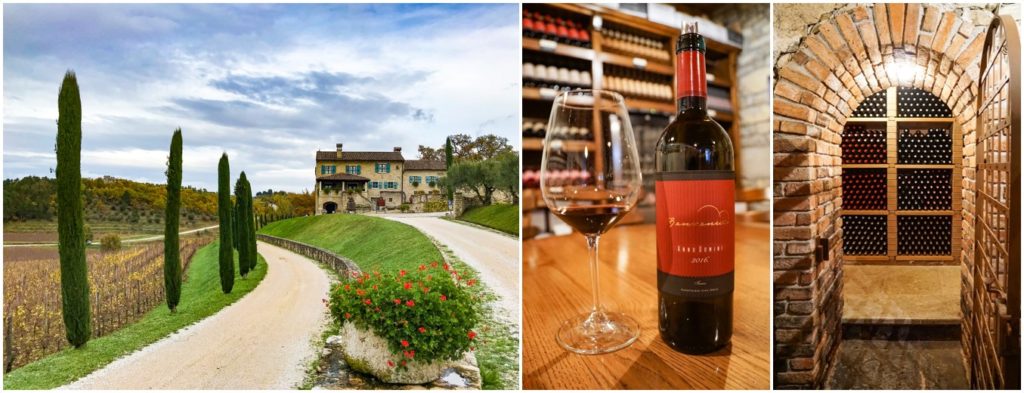
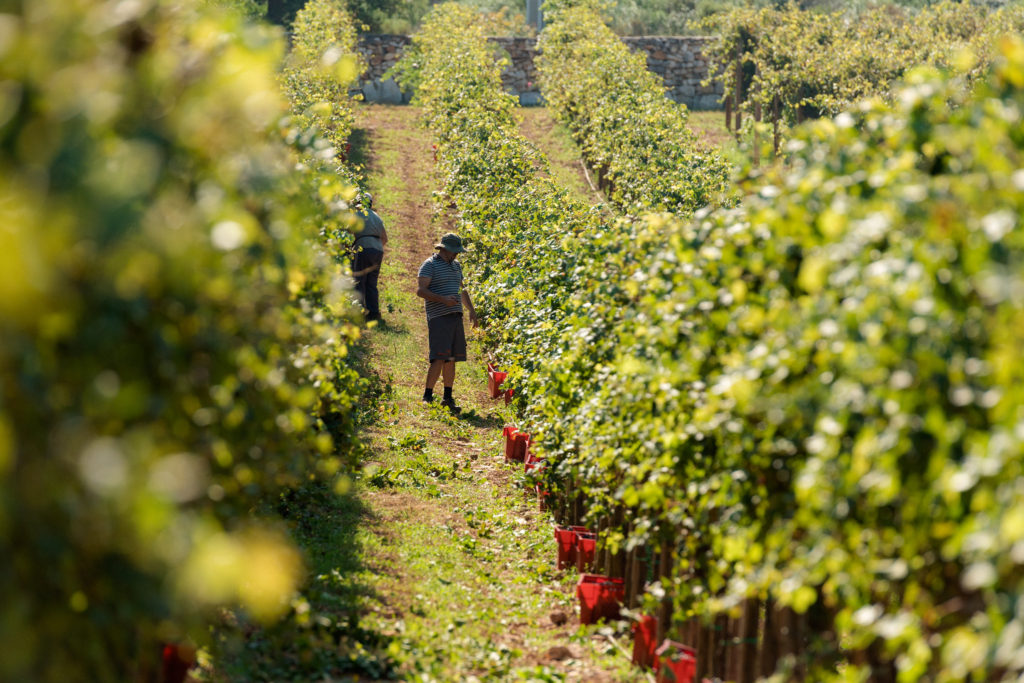
Taste the region’s mainlocal grape varieties, white Malvazija Istriana and ruby red Teran, at one of the many charming wineries. Near the town of Momjan, Kabola, a certified organic wine producer owned by the Markežić family, has been making wines since 1891. They offer a variety of tasting options at their beautiful stone farmhouse set among their vineyards. Meanwhile, nestled in the narrow cobblestone streets of the village of Kaldir, the Benvenuti family offers tours and tastings of their facilities as well. Their grapes are grown in several specific “micro-locations” chosen to give their wines specific mineral characteristics.
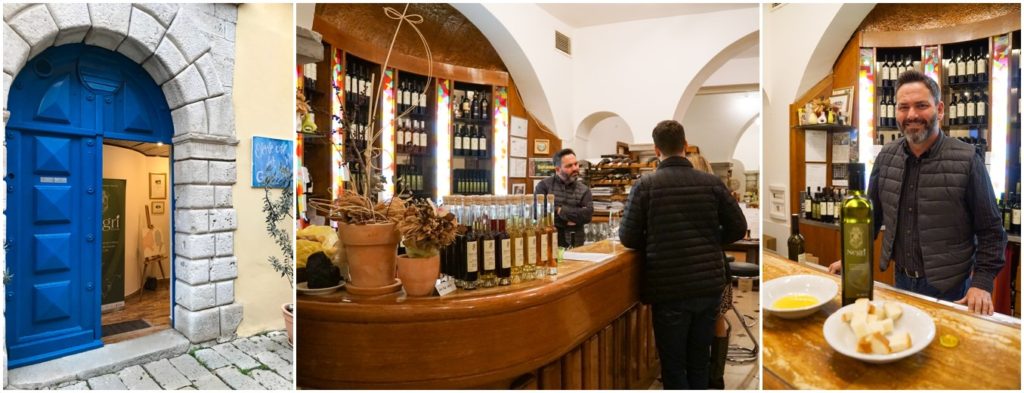
Olives have been cultivated in Istria since Roman times, but it is only in recent years that the region has gained worldwide recognition for its olive oil. In truth, Croatia as a whole is often overlooked as an olive oil producing country due to the relatively small quantities produced there. But what Croatia lacks in quantity, it makes up for in quality, with Istria having been named the ‘Best Olive Oil Region’ by the Flos Olei olive oil guide for nine consecutive years. Among the top Croatian olive oil producers is Negri, family run by William and Anessa Negri. The Negri family has been producing olive oil since the Venetians controlled the region and offer tastings in their historic palace which now serves as a “Gastro-Art Gallery.” Here you can sample Negri olive oils, wines, and liqueurs while learning about production, surrounded by the artworks of Anessa.
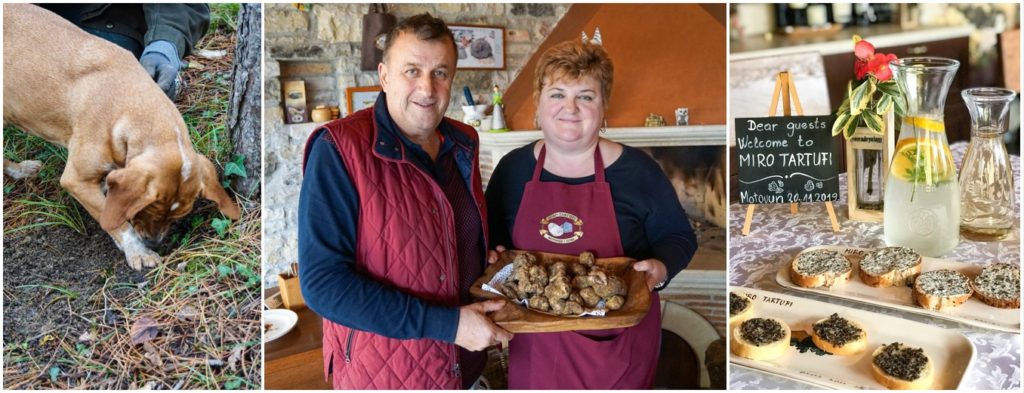
Truffle laden dishes can be found in restaurants all across Istria, but for the full experience consider joining a truffle hunt. Miro Tartufi is comprised of husband and wife team Miro and Mirjana Kotiga. From their home in Motovun, they lead daily expeditions into the nearby forest with their carefully trained dogs, Bella and Lila. The experience begins with a welcome drink and introduction by Mirjana, followed by a guided walk through the forest with Miro. Bella and Lila run ahead, playing and sniffing until suddenly one starts to dig. This is Miro’s cue to gently unearth the valuable tuber, and reward his faithful dogs. Once back from the hunt, enjoy a sampling of gourmet truffle products, such as oils, spreads, cheeses, and sausage, while Mirjana demonstrates and serves a classic Istrian dish – scrambled eggs with freshly shaved truffle. For dessert, chocolate cake topped with truffle honey and more freshly shaved truffle offers the perfect finishing touch.
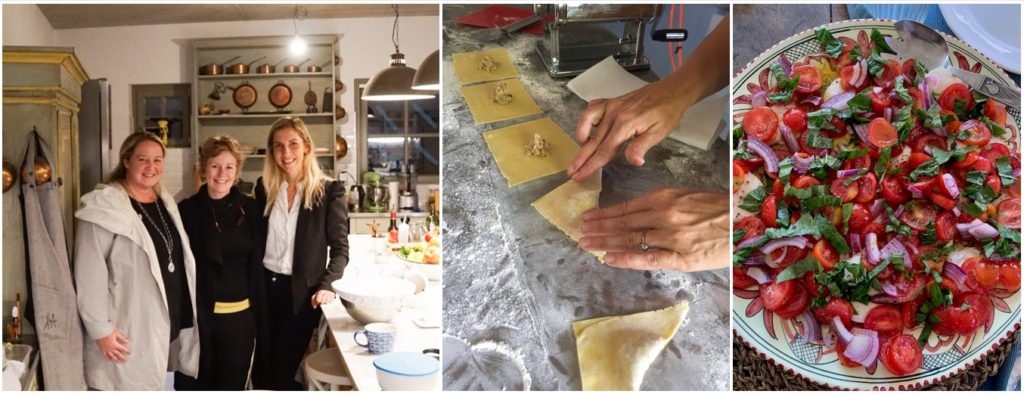
For those seeking a fully immersive introduction to Istrian cuisine, celebrity chef and cookbook author, Ana Ugarković, offers cooking experiences out of her home in the small village of Mrgani. Depending on the season, the day includes a walk through the nearby fields to forage for wild asparagus or other edible plants to incorporate into the day’s menu. After preparation of a family style three course meal, enjoy a grappa in the courtyard or by the fireplace.
3) Ancient Roman Ruins
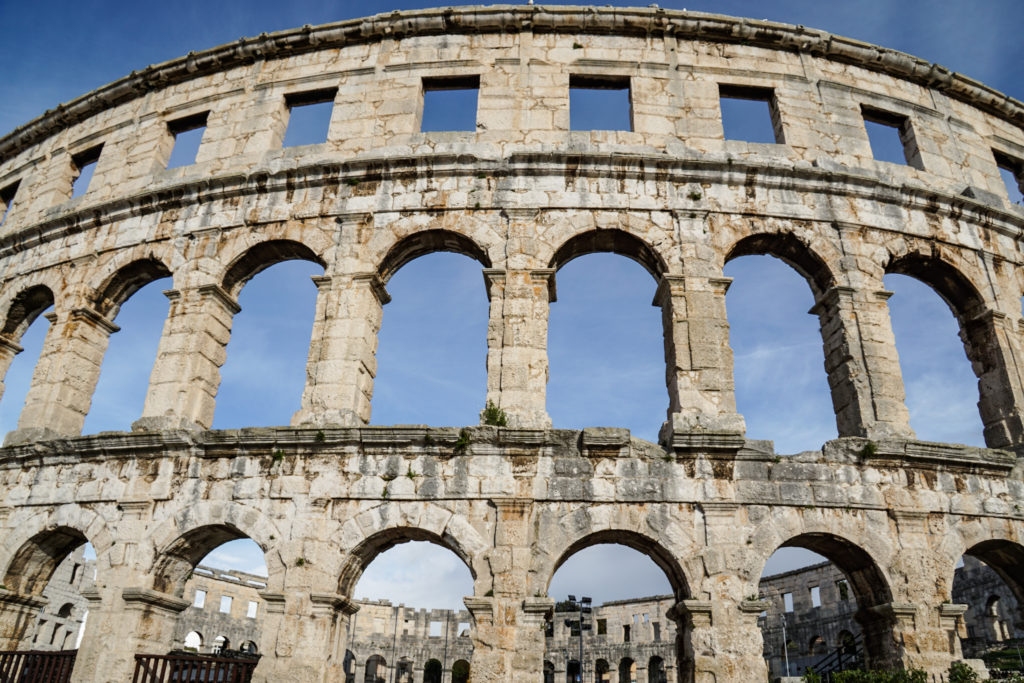
The echo of Ancient Rome can be heard throughout Croatia, though it is perhaps loudest in Split, home to Diocletian’s Palace, and in Pula, where the Arena of Pula stands triumphantly in the center of the city.
It is the sixth largest Roman arena in the world, and one of the best preserved. The amphitheater was built in the 1st century AD during the reign of Emperor Vespasian when Pula was the regional center of Roman rule. Once the site of gladiator fights, and later, in the Middle Ages, home to knights’ tournaments and fairs, these days, the arena is used for many different events such as the Pula Film Festival, concerts, opera, ballet, and sports competitions. Besides the Arena, Pula is home to numerous monuments of Roman architecture. A short stroll away, the Temple of Augustus stands in what was once the city’s Forum. Bombed during the Second World War and completely destroyed, it was painstakingly rebuilt in the years that followed. It now houses a collection of ancient stone and bronze sculptures. Another popular attraction is the Triumphal Arch of the Sergii, also known as the Golden Gate, which was erected by the powerful Roman Sergii family in memory of three deceased family members who held important positions in the city. The arch was named Porta Aurea or the Golden Gate because of its richly ornated arch. Historical attractions aside, Pula is a busy port city which offers an interesting look at the everyday lives of Istrians.
4) Seaside Vistas
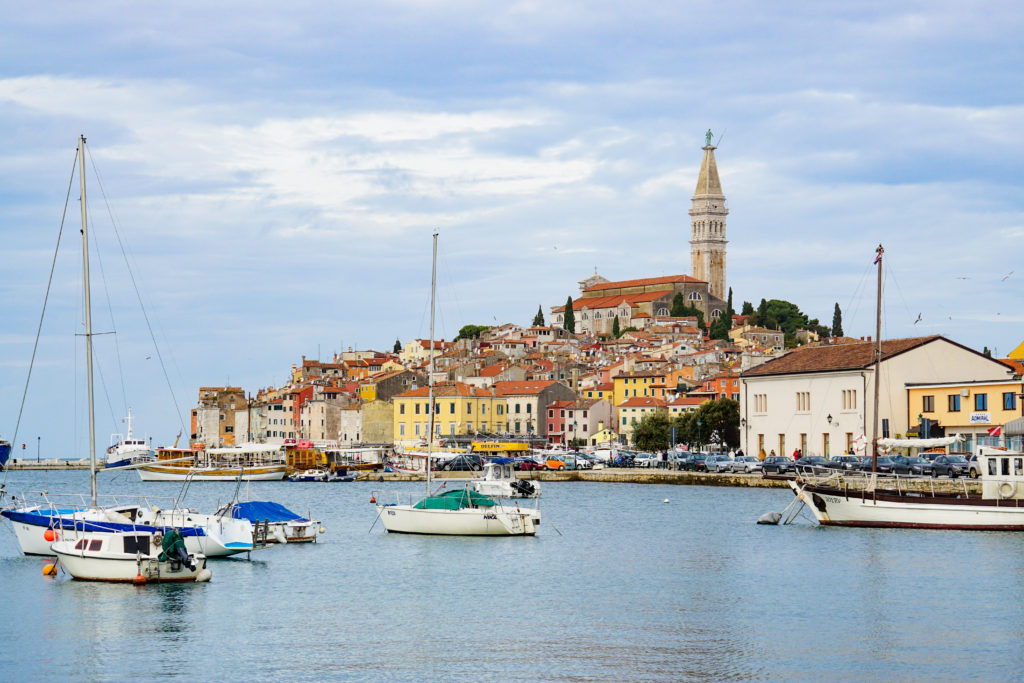
Along the craggy shoreline, the rolling hills of Istria’s bucolic interior make way for robust fishing villages and seaside port towns, perhaps the most charming of which is Rovinj. Italophiles will feel right at home here as most of the population is bilingual, speaking both Italian and Croatian – even road signs in Rovinj are written in both languages. This is a testament to Istria’s tumultuous past, having been a part of Austro-Hungary, Italy, Yugoslavia, and finally Croatia, over the course of the past century. Though each flag flown has left an indelible mark, Rovinj carries on seemingly unchanged. The fishing boats which fill the harbor still come and go, the bells of St. Euphemia’s campanile still ring out high above the city, carrying on with business as usual as they have for hundreds of years. It is this unchanging nature, this timelessness, which is part of Rovinj’s charm, and adds to its romance. Steep, narrow streets wind the interior of the old town, lined with boutiques, galleries, and colorful doorways which are charmingly timeworn. Once an island, the old town of Rovinj was connected to the mainland in 1763 when the narrow channel separating it was filled. Though now a peninsula, it still has an insular feel, with the sea as much a defining characteristic of the town as any of its architecture is. While visiting, be sure to sample the fresh seafood at one of the many waterfront restaurants, such as La Puntulina, where tables line the rocky shore. It’s the perfect place to watch the sun kiss the sea as it sets for the evening.
5) Luxurious and Varied Accommodation
Istria’s rustic countryside and medieval villages may not seem the most likely backdrop for some of Croatia’s most exciting contemporary properties, but it is. From high design and eye-catching architecture to traditional style and understated luxury, you can find a hotel to meet any taste and budget in this multifarious region.
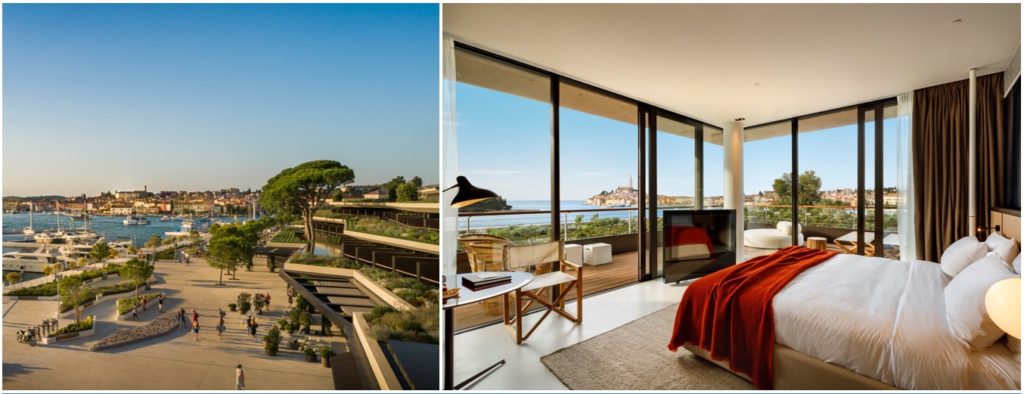
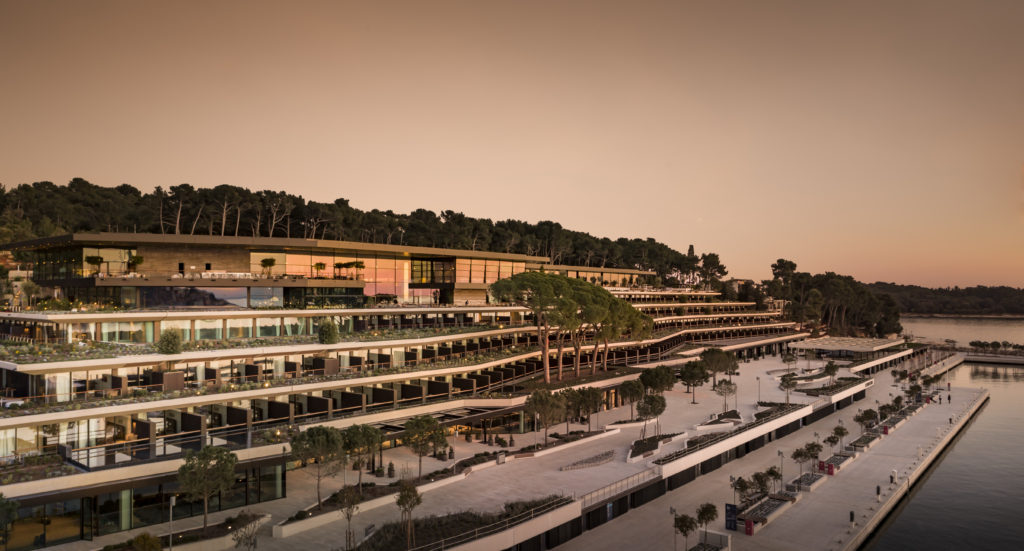
Opening to much acclaim for the 2019 season, the Grand Park Hotel sprawls across a gentle slope along the marina, stepping down toward the Adriatic Sea. Topped with a series of planted terraces, the hotel is designed to have a minimal impact on the natural landscape. It was one of several hotels in the area designed by Croatian architecture firm 3LHD Studio. Its interiors are the vision of Italian architect and designer Piero Lissoni, who uses deep earth tones to contrast the blue of the sea and sky, the effect of which seems to enhance the spectacular view of Rovinj across the bay – colors pop in such a way that it feels almost artificial. A true five-star property, it is no surprise that the Grand Park Hotel has already seen its share of celebrity guests.
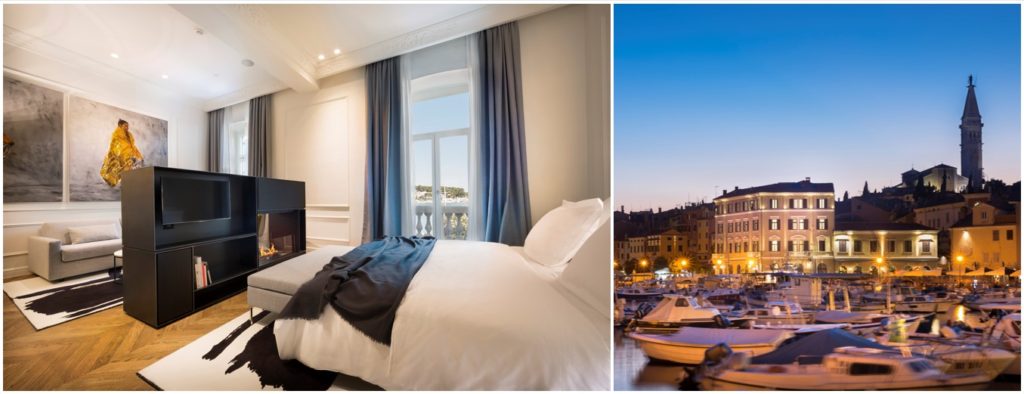
Just across the bay, in a lively square of Rovinj’s old town, the Hotel Adriatic offers a boutique alternative to The Grand Park’s swagger. The Adriatic’s café and restaurant offer the perfect terrace from which to watch the world go by and observe the hustle and bustle of the fishing and sailing boats in the harbor. The rooms are tastefully decorated with modern furnishings, contemporary art, and thoughtful touches such as room mists, developed by local perfumerie Profumo di Rovigno, to suit your mood.
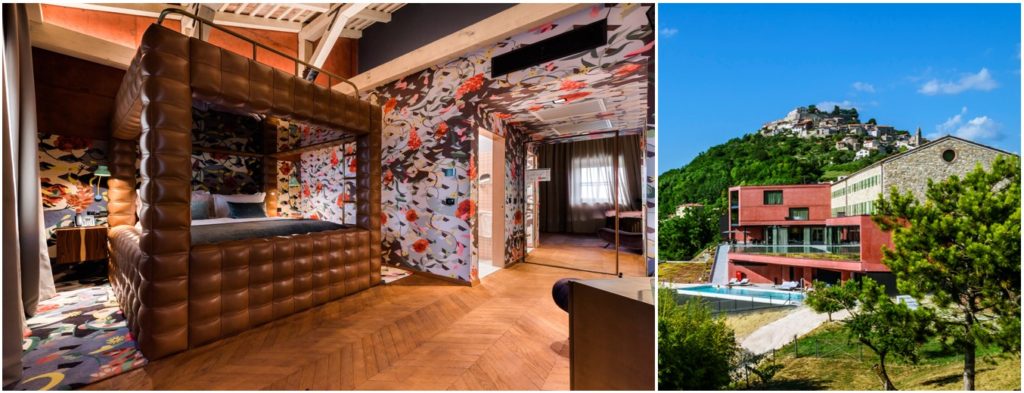
A short drive inland, the Wine & Heritage hotel ROXANICH is shaking things up in Motovun. Not the typical heritage hotel, this new property is the creation of boutique winemaker Milan Rožanić, and architect/designer Idis Turato. Behind the traditional stone façade guests will find a flamboyant interior, replete with bold design elements and bespoke furnishings. Rooms feature bright wallpaper, or sometimes carpeted walls, “family size” bunk beds, wood beamed ceilings and marble bathrooms. Deep below the guestrooms, the Roxanich cellars offer opportunities for guests to do tours and tastings.
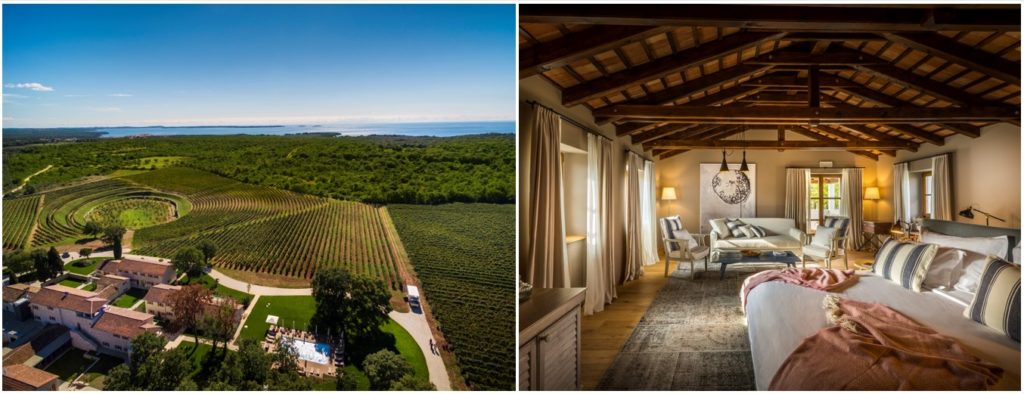
For those seeking a more traditional wine hotel experience, there is no better escape than the Meneghetti Wine Hotel & Winery. Originally known as the Villa Meneghetti, the Meneghetti Wine Hotel & Winery began as a single stone estate built at the beginning of the 20th century amid expansive vineyards and olive groves. It has since expanded to include rooms, suites, and villas, all tastefully furnished in traditional Istrian style which melds the local, Mediterranean aesthetic with modern elements. A true example of understated elegance. An excellent restaurant only furthers the appeal, as do the options for wine and olive oil tastings, the spa and wellness area, and proximity to the beach – just a bike ride away.
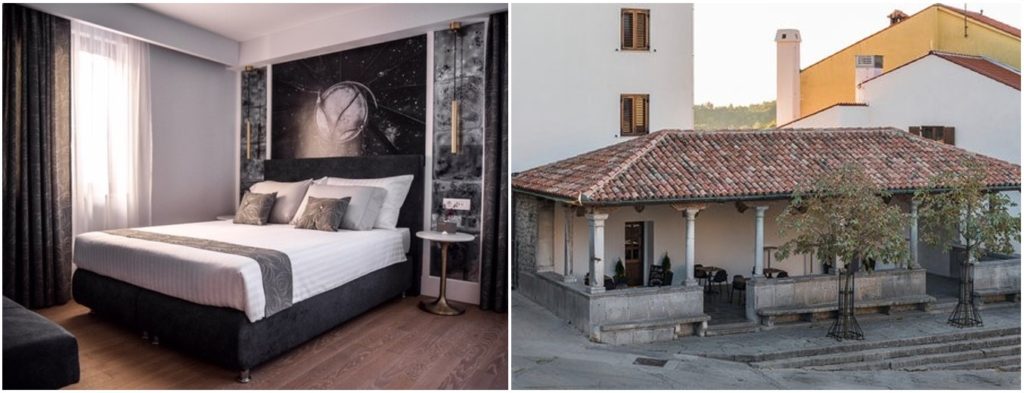
Roughly an hour away, a new concept takes shape in the form of La Loggia, a “diffused hotel” making its mark on Labin. La Loggia will eventually employ the albergo diffuso model, having a central reception with rooms in various structures around the small town, but at the moment it is contained to the small building behind the town’s pillared 16th-century loggia. An intimate setting with a warm and friendly staff, this property appeals to travelers who seek authentic experiences far from crowds, but still wish to retain modern conveniences. The eight light-filled guest rooms feature modern décor and contemporary photographic prints. The bar and lounge is the ideal spot for a nightcap, and is also occasionally the venue for live concerts of acoustic guitar, piano, jazz and blues on the weekends.
When to Visit Istria:
Tasteful Croatian Journeys is available to design your custom luxury itinerary through Istria in any season and can guide you in planning activities best suited for your particular dates of travel. Shoulder seasons (April/May, September/October) make for a wonderful time to visit Istria, with mild temperatures and minimal crowds. Contact us for more information and to begin planning your Istrian interlude.
 About the Author:
Luxury Travel Designer and Destination Specialist, Tia Lovisa Moreira, Joined the Tasteful Croatian Journeys Team after nearly a decade spent living abroad in Munich, Germany. Having traveled to more than 40 countries across 4 continents, she brings with her a wealth of first-hand travel experience and a deep love of European peoples and cultures. Learn more about Tia here.
We interview Wanda on her Top food & wine experiences for visitors
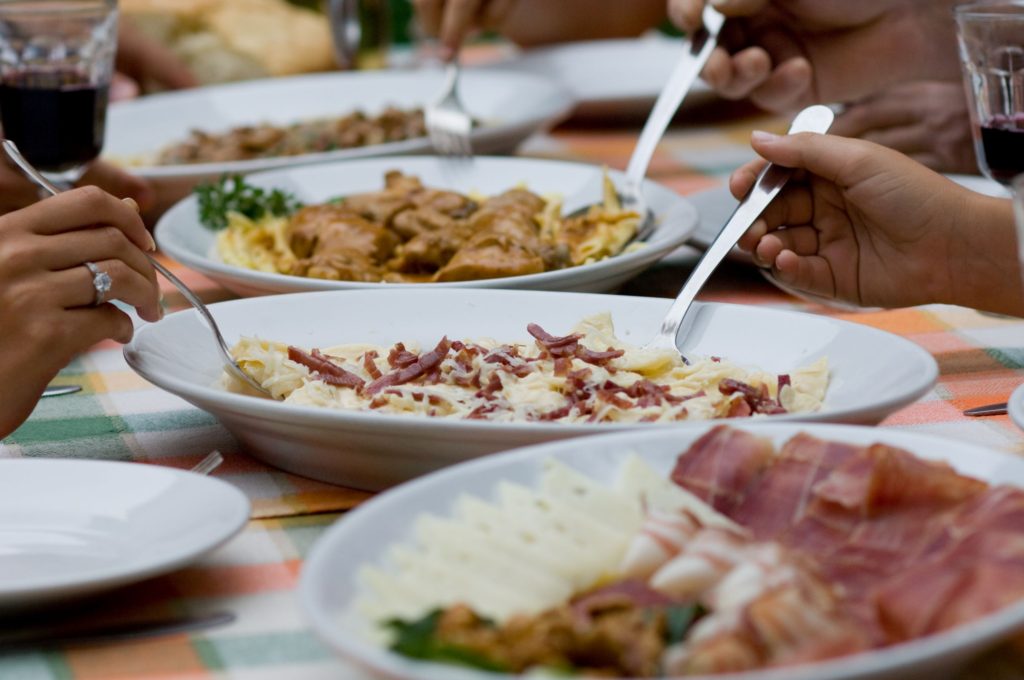
Our Luxury Travel Designer, Tara Busch, interviews Wanda for her take on some of the undiscovered culinary treasures visitors to Croatia should know (and taste)!
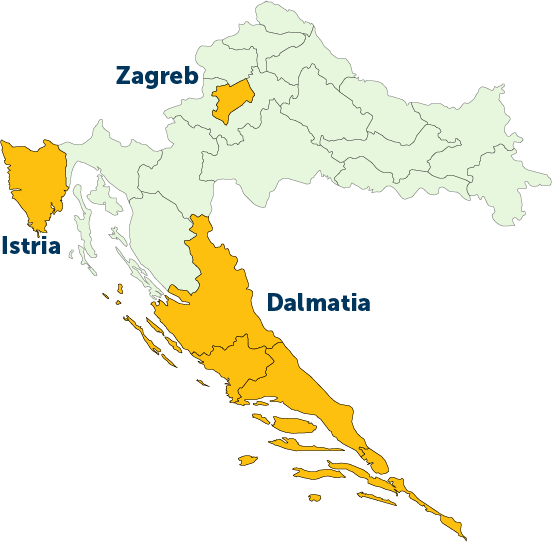
Tara: What three regions of Croatia should foodies include in their visit?
Wanda: Croatia has a rich culinary tradition which has been influenced not only by its geography, but also by its occupants. Visitors will find a strong contrast between the seafood and Venetian flavors of the coast, and the peppery Central European stews of the mainland. To fully experience this magnificent variety, I recommend visiting the regions of Istria, Zagreb and Dalmatia. Let me elaborate why this is my suggestion….
The region of Istria
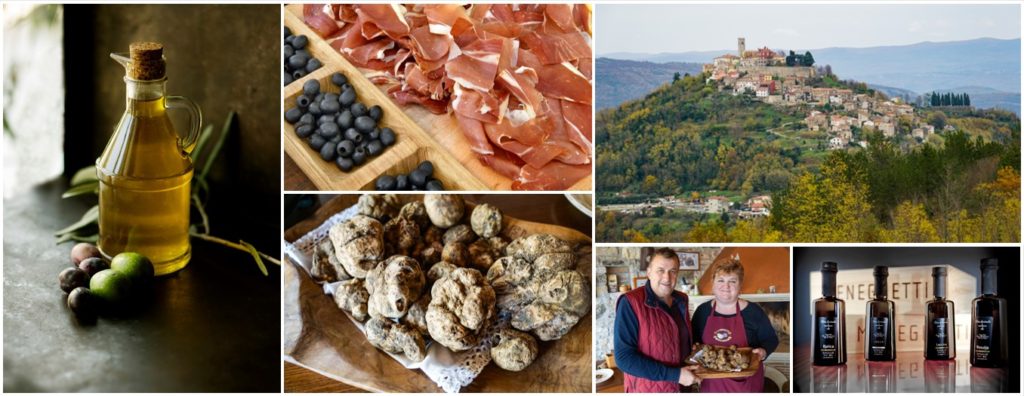
- The heart shaped peninsula of Croatia on the northernmost area of the Adriatic is a true paradise for food lovers. Here you will find strong Venetian and Northern Italian influences, polenta, handmade pastas, wild asparagus, porcini mushrooms…
- Black truffles are harvested in Istria year-round, with the white truffle season starting in September and usually lasting through January. It is possible to unearth your own truffle as you learn to hunt for the precious tuber led by specially trained truffle-hunting dogs. This is an experience we love sharing with our travelers, and is best organized when exploring the loveliness of the hill towns of Motovun, Groznjan and Buzet that overlook the Mirna Valley.
- Award winning olive oils – even the Roman Emperors built their summer villas in Istria, because, we are told, among the many lures of Istria, the best olive oils of the Empire were produced there. Today, we delight in the sophistication of the culinary secrets of combining different extra virgin olive oils with local specialties. Flos Olei, the prestigious Italian guide to the world of olive oils, has again in 2020, declared Istria the best olive oil region in the world, for the fifth consecutive year
- Istrian pršut – the Croatian version of Italy’s prosciutto, Spain’s serrano, or Germany’s speck. Autochthonous, processed in the traditional Istrian manner, dry-cured with local sea salt and organic spices, Bura wind, air-dried. As gourmands of Istrian will tell you, the perfect Istrian pršut must be delicately hand sliced to melt in the mouth.
The Capital region of Zagreb
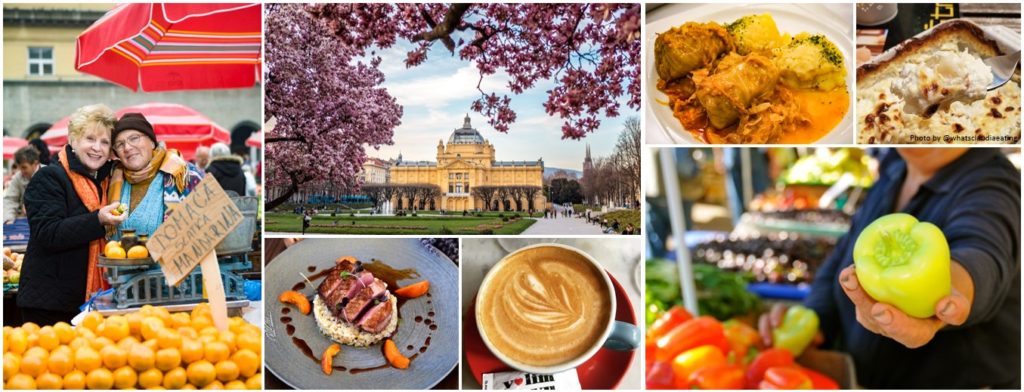
- In the cuisine of Zagreb, you will find favors and dishes reminiscent of Austrian, Hungarian, Turkish and Slavic cultures. Hearty dishes like Sarma (cabbage rolls) or creamy baked Štrukli are ubiquitous here. This is the comfort food capital of Croatia.
- Zagreb is an effervescent destination of sophistication, artistry, and vitality – all of which is apparent in its culinary scene. In addition to the classics mentioned above, dynamic new restaurants such as the Michelin starred Noel and trendy Pod Zidom Bistro are putting their own spin on Croatian cuisine, reinventing favorites with modern techniques and flavors.
- The Dolac Market is the green heart of the city, and a must visit for any food lover. The market is comprised of outdoor vendors selling fruit and vegetables, as well as indoor stalls selling meat and dairy products. It has earned its nickname “The Belly of Zagreb.”
- Coffee culture is important in Zagreb. Rows of sidewalk cafes line the streets, and locals fill the terraces enjoying a drink and a chat. Coffee is not just a drink, it’s also an opportunity to socialize, discuss politics, and perhaps even gossip.
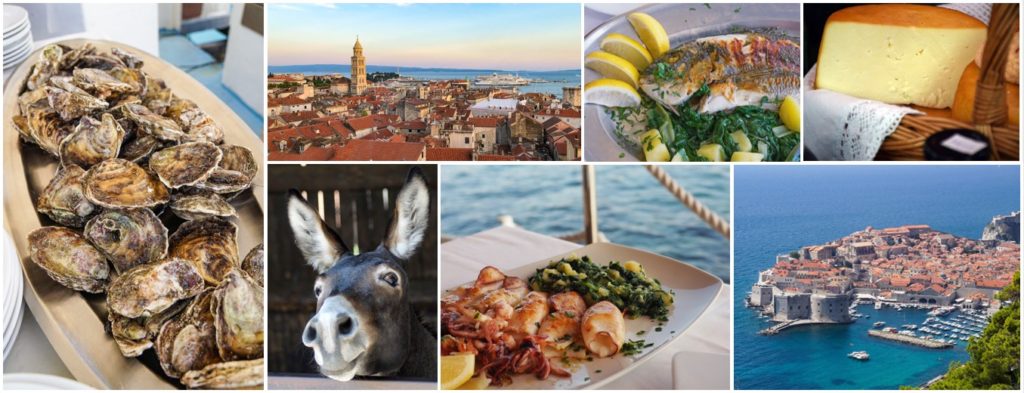
The region of Dalmatia
- Mediterranean cooking at its best! Fish and octopus so fresh you may have swum with it earlier that day, simply grilled to perfection.
- The famed oysters of Ston are known as the best in the Mediterranean. The ancient oyster beds allow you to taste fresh oysters straight from the sea
- The Island of Pag – one of the biggest islands of the Adriatic, is about sea-salt and lace, and, the gold medal winning, best hard cheese Paski Sir (Pag Island cheese).
Paski Sir is produced from a unique breed of small sheep – known for their intensely salty and limited milk output. - Donkey milk, similar to human mother’s milk and rich in vitamins, has numerous medical benefits. One of my favorite family farms on the Peljesac Peninsula produces donkey milk. Their animals can be visited before a meal at their konoba.
Tara: Wow, that all sounds so delicious. So, what one dish should every visitor to Croatia should try in each of those regions?
Wanda: Only one in each region? It’s hard to narrow down! But I think I would recommend the following… .
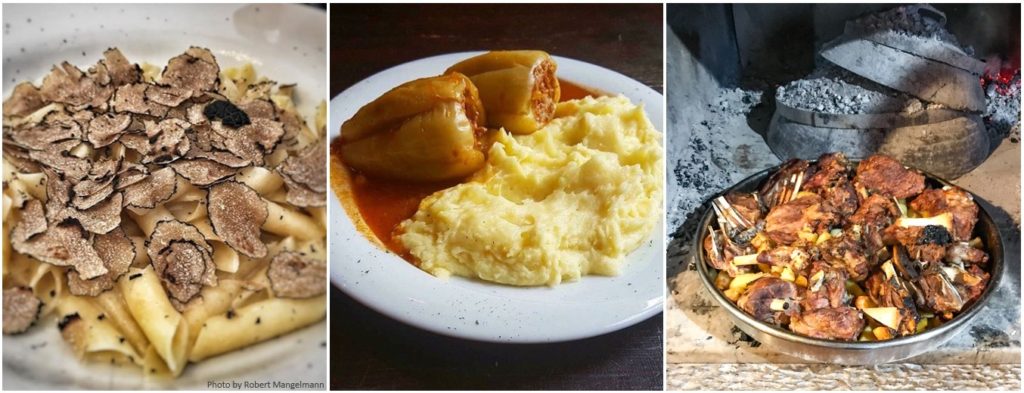
- In Istria, try Fuži – the fresh, handmade pasta of Istria, enveloped in organic butter and covered with white, shaved truffle.
- In Zagreb, try Punjene Paprike – Croatian stuffed peppers, a dish central to cuisine in the region around Zagreb, yet found throughout Croatia. It is a dish I always crave when I am there.
- In Dalmatia, try Peka – Seafood specialties, or meat (usually veal, lamb or goat meat), sprinkled with local olive oil, herbs and organic mix of seasonal vegetables are slow -cooked “Under the Bell” covered in embers, stewing in their own juices and aromas.
And one bonus suggestion…
- Škampi na buzaru – (this is not shrimp scampi) is one of my personal favorites and can be enjoyed anywhere along the coast, though it is best with the scampi from the region of Kvarner. The sauce of white wine, shallot and bread crumb will have you soaking up every drop with fresh bread.
Tara: What about wine? Are there wine trails in Croatia for people to visit? If so, what areas do you recommend?
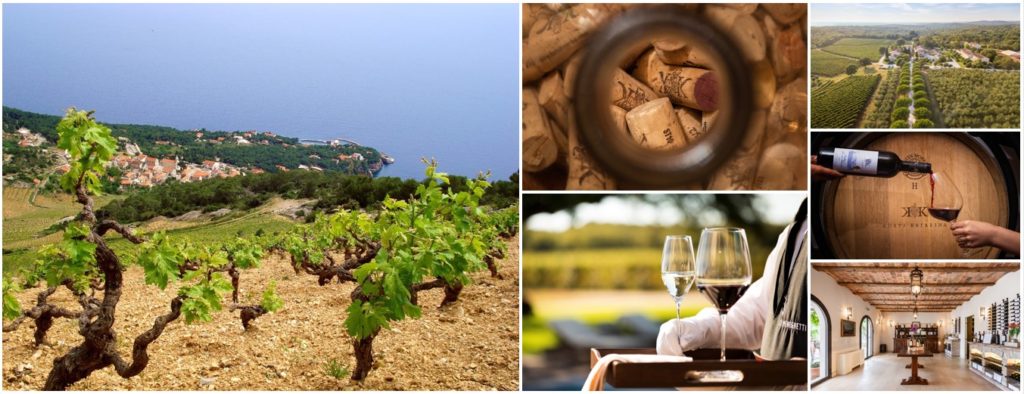
Wanda: Every region of Croatia produces their distinct, interesting wines and developed regional wine trails.
- Region of Istria – World recognized and appreciated are the blond Malvasia, the queen of the wines of Istria, and my favorite ruby red Teran. The Villa Meneghetti is a lovely place to taste an Istrian vintage and have a delicious meal.
- Peljesac Peninsula – the wines of Peljesac are renowned and considered to be the country’s finest wines: Dingač, Plavac Mali, Postup. We love taking in the views at the Korta Katarina Winery while doing a tasting.
- Island of Korcula – Posip, Grk and Plavac Mali
- Island of Hvar – Hvar has a centuries old legacy of winemaking – Visit the site of the oldest continuously farmed agricultural plot on Earth, the Ager, which is now a UNESCO World Heritage site.
- Slavonia – Grasevina, Chardonnay, Sauvignon blanc, Merlot, Cabernet Sauvignon
Tara: In addition to the truffle hunt you mentioned earlier, are there any other culinary experiences that you can offer guests traveling with Tasteful Croatian Journeys?
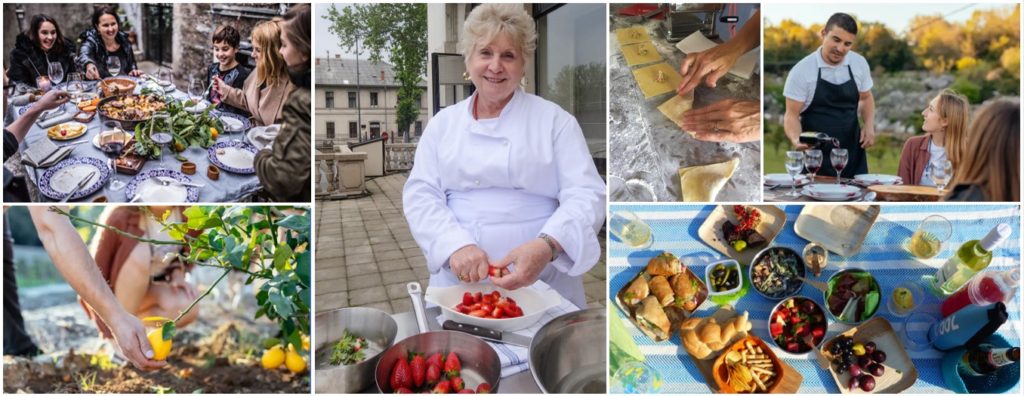
Wanda: As you know, all of our itineraries are tailor designed to suit the needs and interests of the individual traveler, so we often create bespoke food experiences as per the requests of our client. Our connections afford us special access to the country’s best chefs. Additionally, we offer cooking experiences around Croatia, from the private home of a celebrity chef in Istria, to a local konoba in the Konavle Valley. The truffle hunt, as mentioned earlier, is certainly a highlight, as is a visit to the spectacular Bibich Winery for their tasting menu with wine pairing. We can also arrange visits to a cheesemaker on the island of Pag, dinner with a local family in Dubrovnik, or a hilltop picnic at sunset on Mount Srđ. The possibilities are endless, and we are here to make them happen.
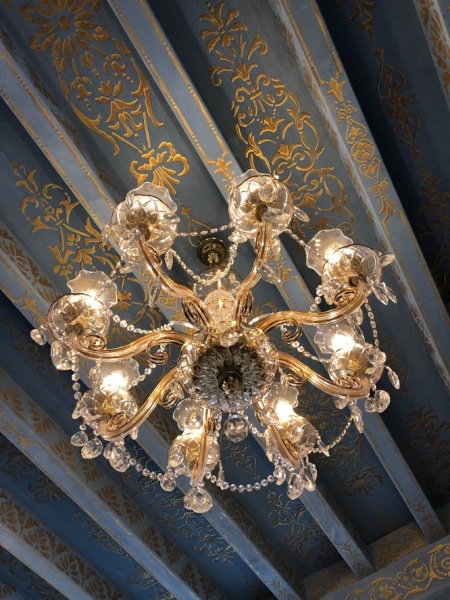
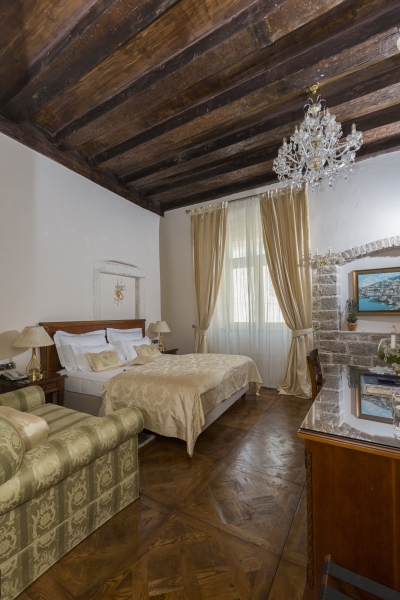
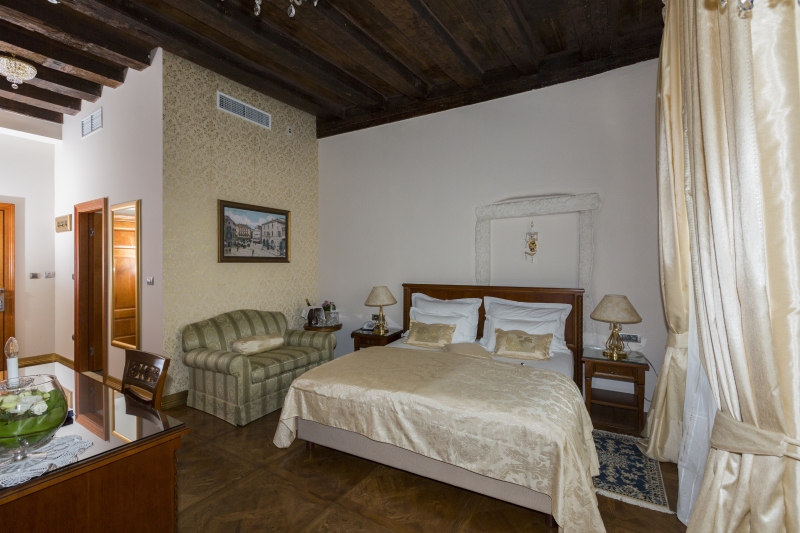
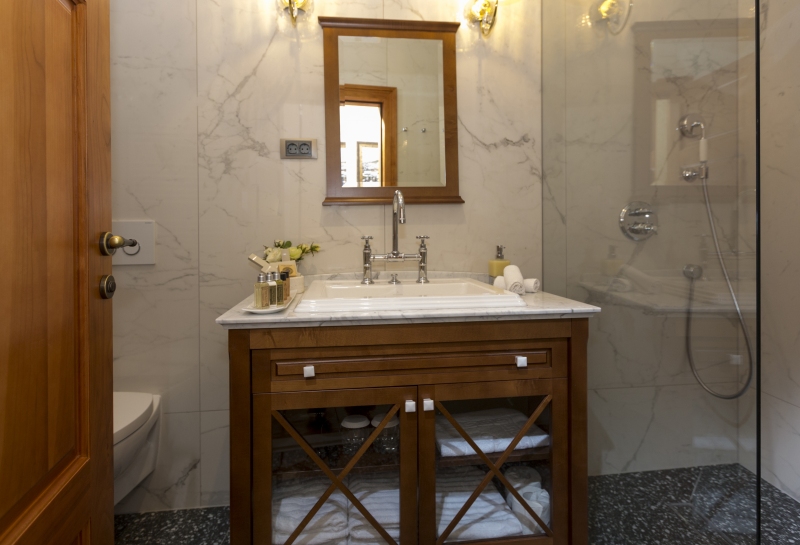
Judita Palace Heritage Hotel, Split
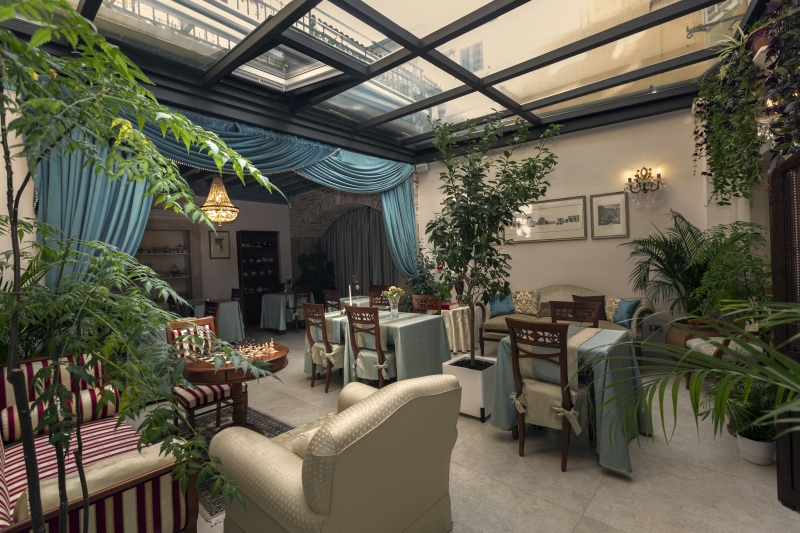
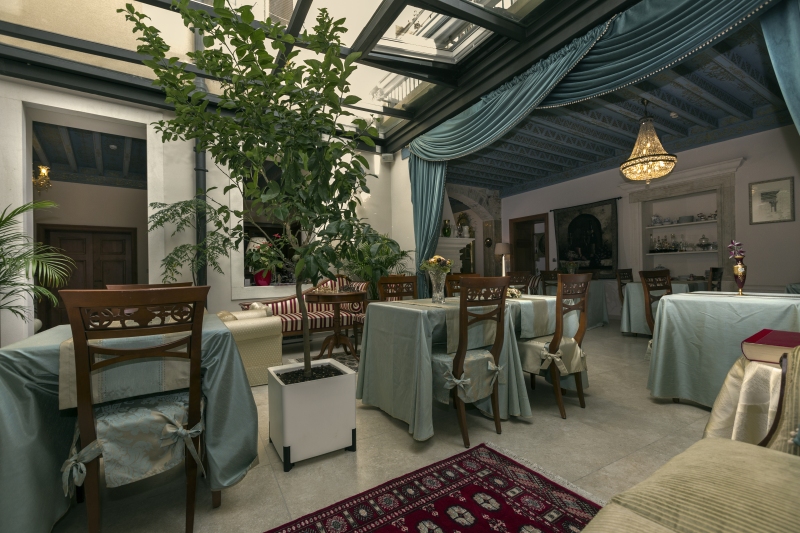
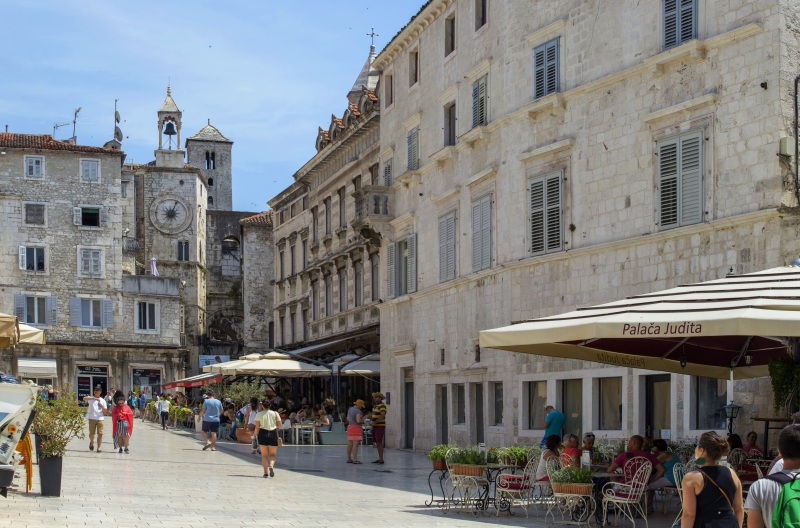
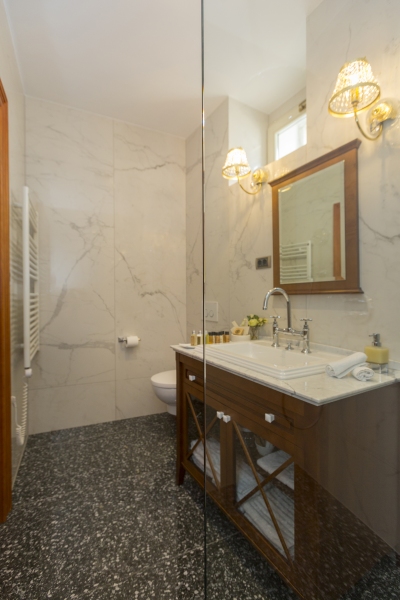
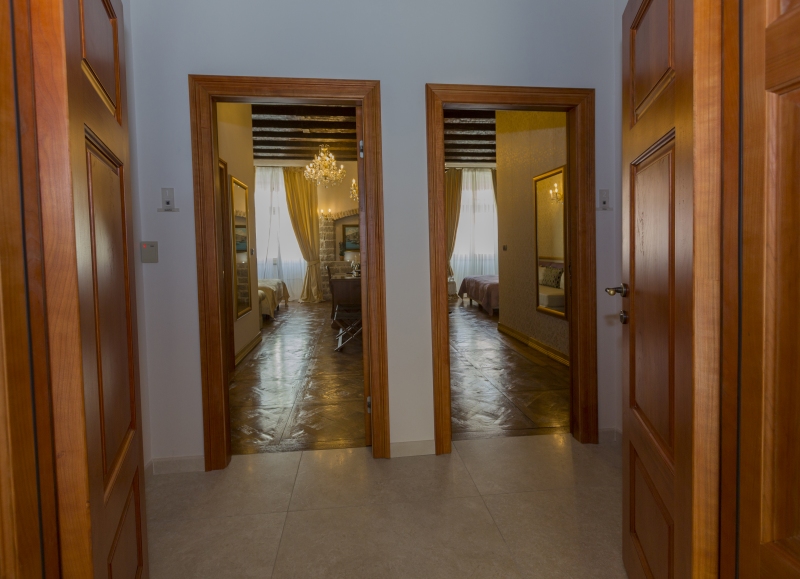
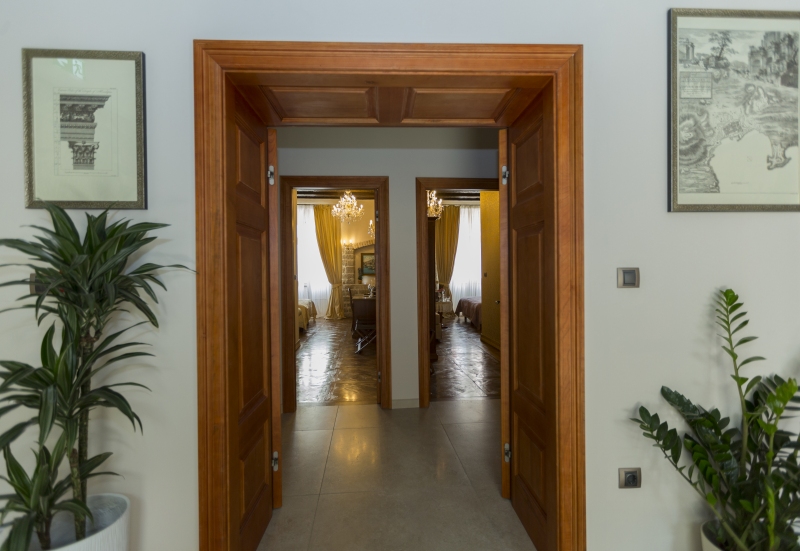
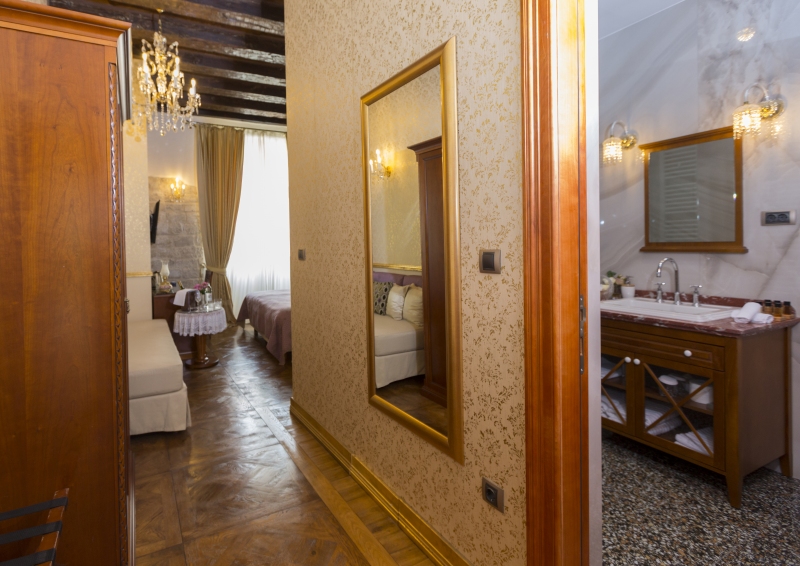
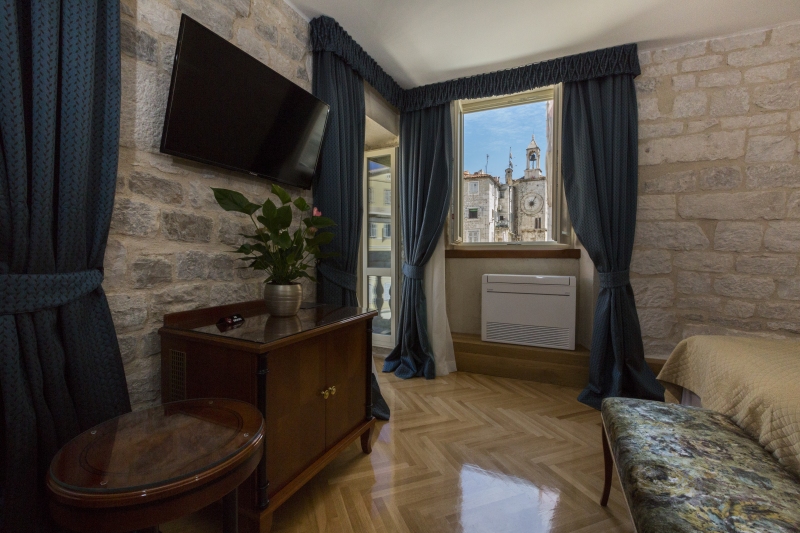
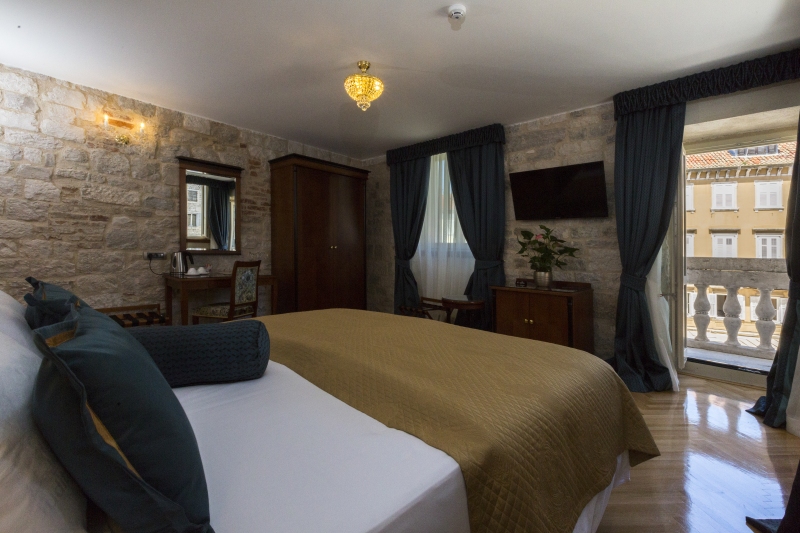
In the center of the Historical Complex of Split, on an open plaza is a one-of-kind hotel the marries elegance, history, and comfort under the warm care of an amazing team who treat each guest, as a dear friend.
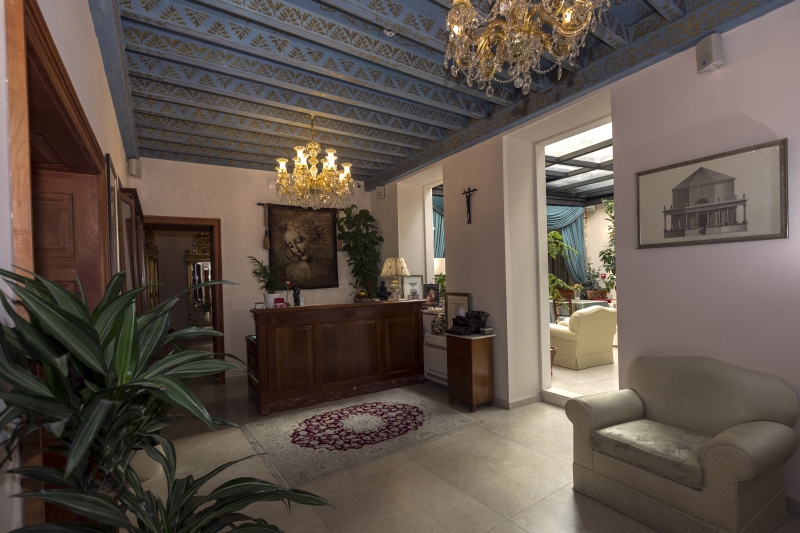
The Judita Palace Heritage Hotel offers guests a unique opportunity to experience the historical and cultural periods of Medieval, Romanesque, Gothic and Renaissance Europe, within the UNESCO structure of Diocletian’s Palace.
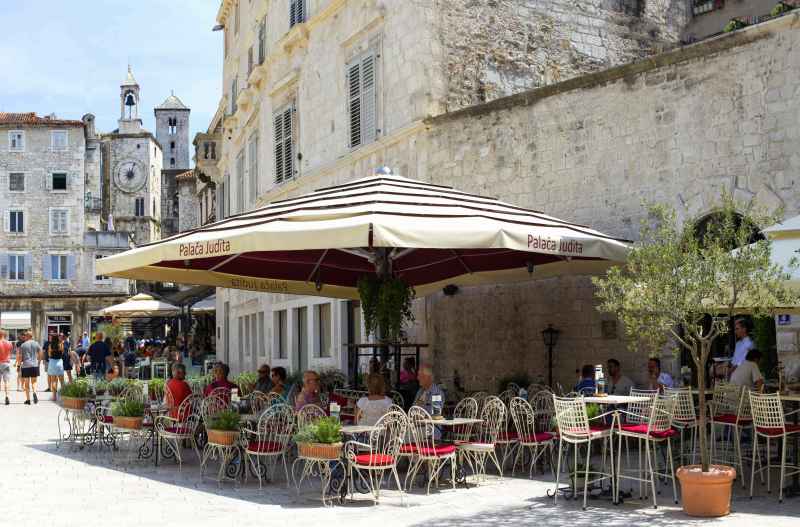
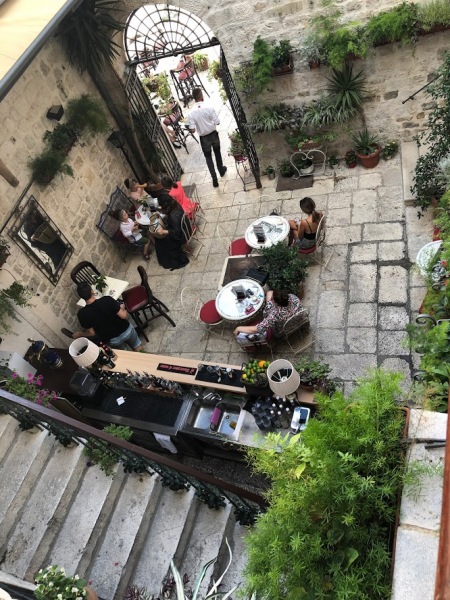
From the square Narodni Tri, known locally as Pjaca, you enter the former patrician residence that is the Judita Palace through the internal courtyard graced with an old well, before going up the exterior stone staircase to the main entrance.
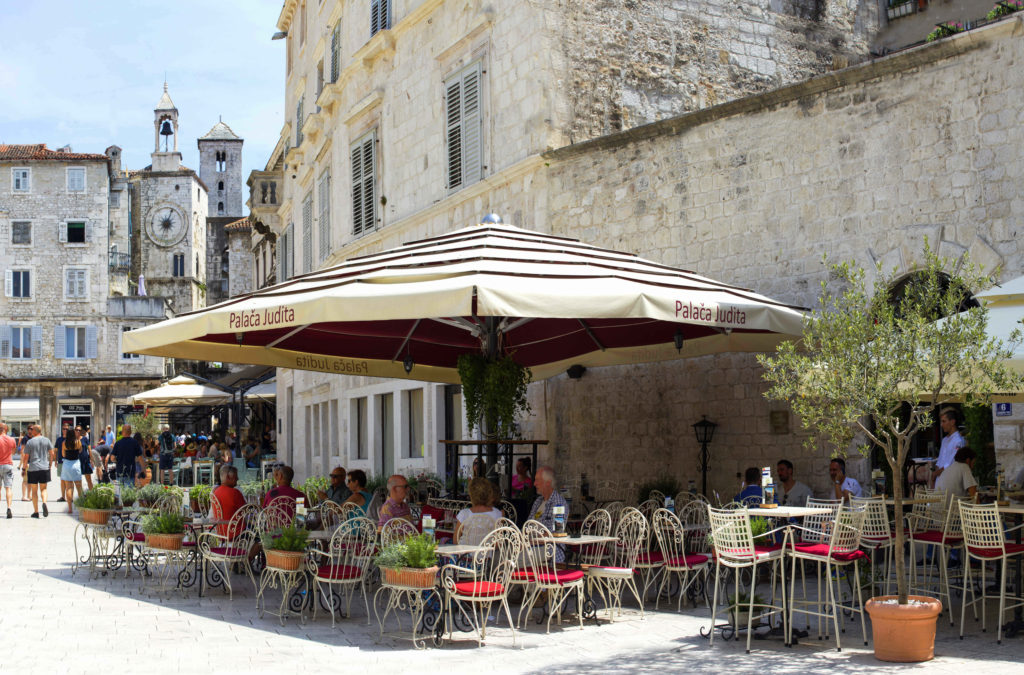
Upon your arrival, you will be greeted with an offer of fresh fruit juice – an elixir for the sun-soaked traveler.
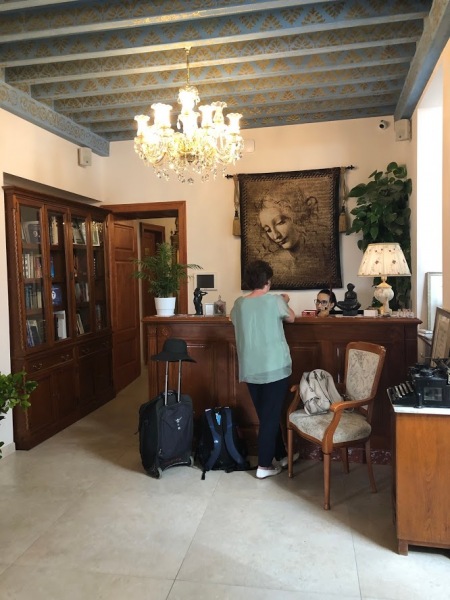
The professional staff of the Judita Place Heritage Hotel, guided by Marija Mestrovic is sure to leave a strong impression, as their care is simply perfection.
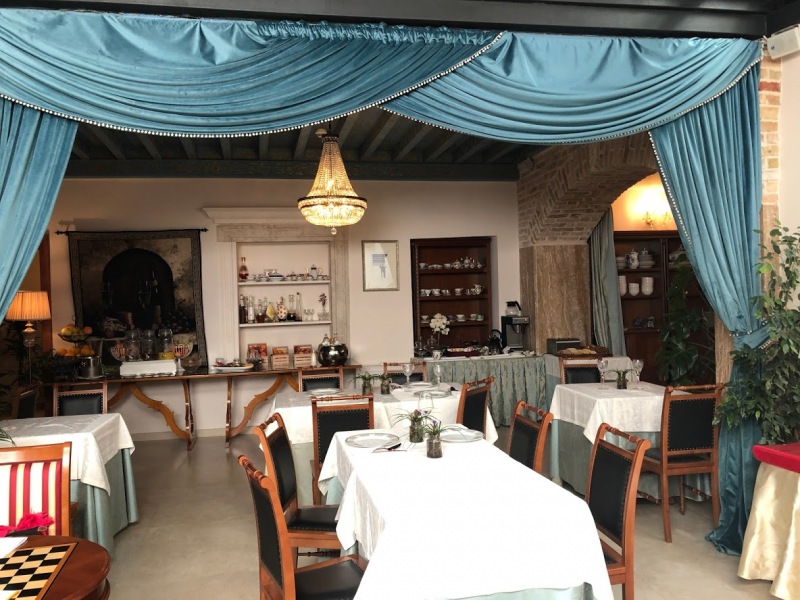
Andrija, the most elegant maître d’, will serve you breakfast in the morning in a room which feels like a winter garden.
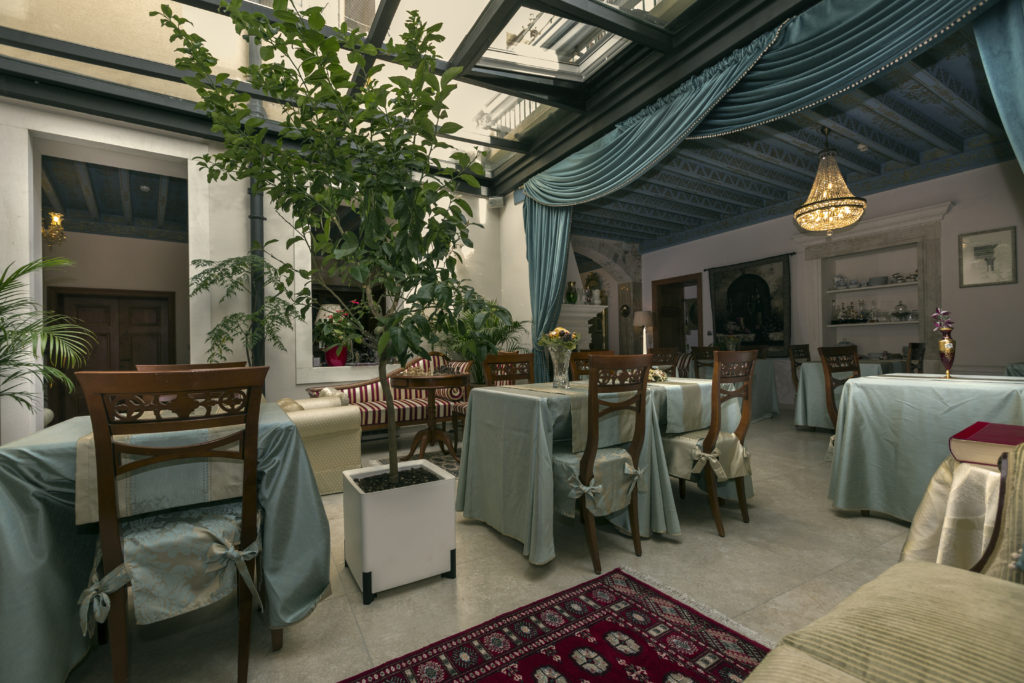
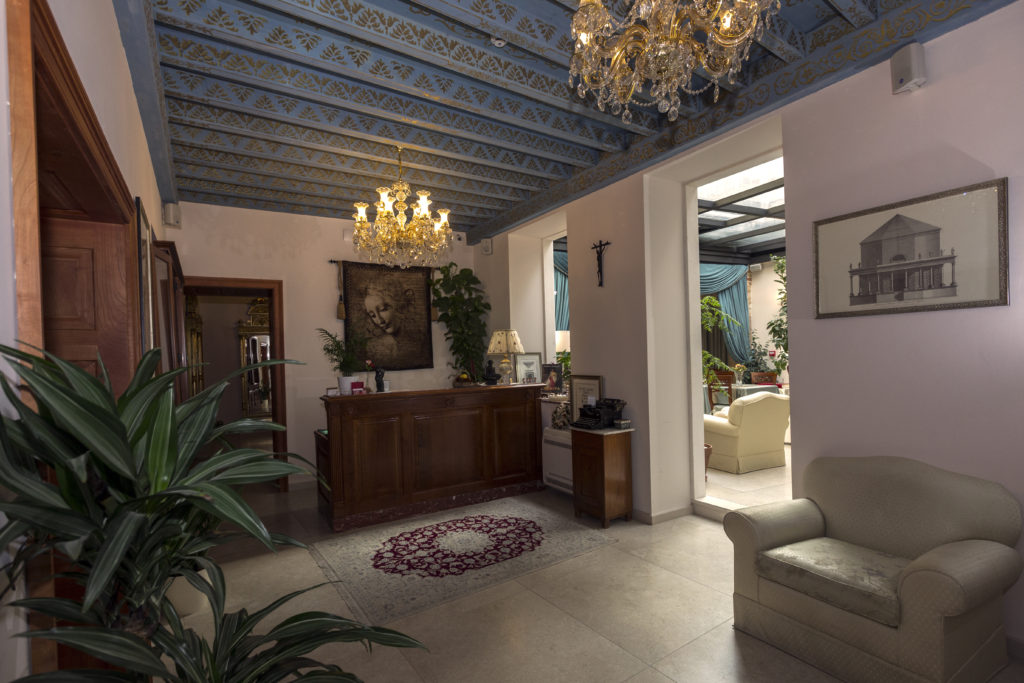
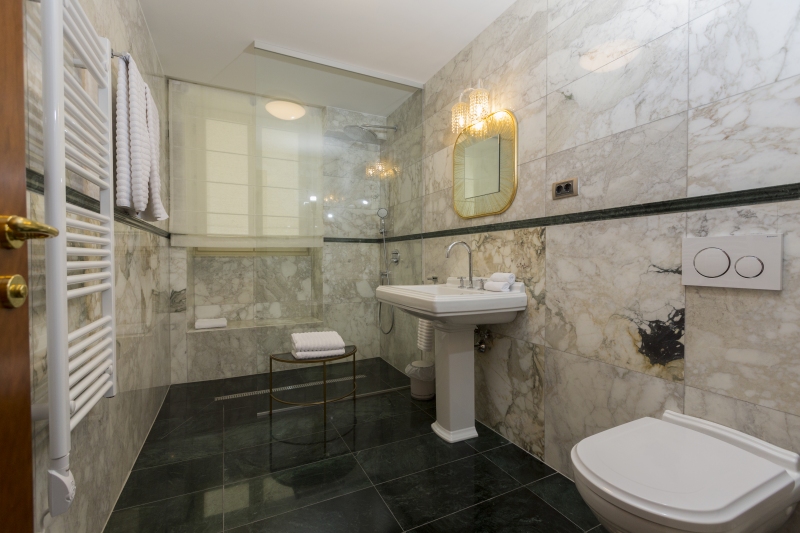
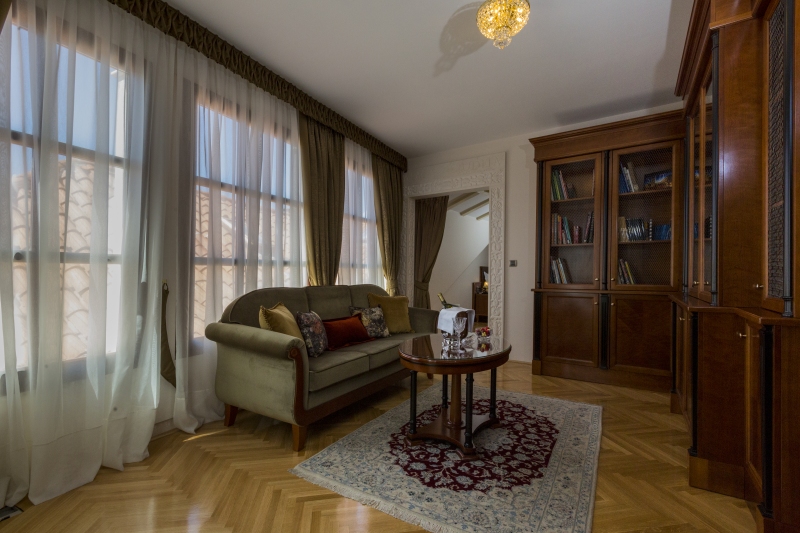
Embracing the history and culture of its elegant surrounding, each of the tastefully designed rooms are named for a figure who left a mark on the cultural map of Split.
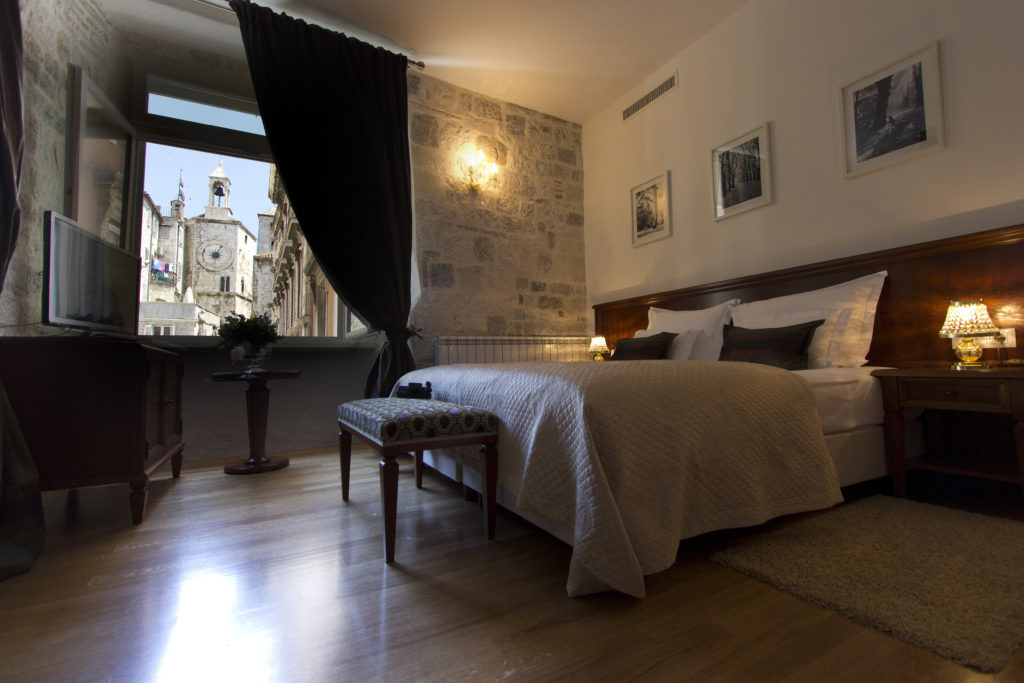
A hotel for lovers of culture and history, in the heart of Diocletian’s Palace, The Judita Place is the perfect base for exploring all that Split has to offer. From the balcony of the hotel guests enjoy the view of Pjaca. Or explore the many nearby sights within the Palace walls, such as the oldest of all Croatian bell towers, the Peristyle, Diocletian’s Mausoleum, or the Cathedral of St Doimus. From the campanile of the cathedral there is a magnificent view of the whole of Split and its surroundings. From the Judita Place in the center of Split, guests are only a short walk from the Riva, where they can enjoy a waterfront stroll after dinner, and refreshing a dessert of gelato prepared by one of the many gelaterie. Simply Irresistible!
“Whenever I visit, it always feels like coming home”, Wanda.
About the Author:
Luxury Travel Designer and Destination Specialist, Tara Busch, has had a love of travel and an adventurous spirit since childhood. Tara’s background as a history and geography teacher, and avid world travel fueled her dream of pursuing a career in travel. Always seeking out authentic experiences, she enjoys spending time with locals, trying regional cuisine and slow travel.
June Appel – December 2019
Dear Wanda and team,
If you get the chance to be taken care of by Wanda S. Radetti and her team at Visit Croatia do not hesitate to take it. Not only will you find a high level of expertise and professionalism but fairness, joie de vivre, taste and an uncommon ability to quickly master YOUR needs and desires. The result will be a tailored itinerary that will exceed expectations not just in the venues but in the vendors delivering the services. My foreign service family has lived abroad for three decades during which time I’ve accumulated 100+ stamps in my passport. Over time, I’ve gained enough expertise to plan some pretty complicated vacations without help. I’ve planned an around the world trip with two toddlers, a road trip from Cairo to Damascus during Ramadan with three pre-teens, only used public bus transport while camping the Australian outback with teenagers and hiked the Inca Trail with five adult children. But when I tried to plan a train trip from Belgrade to the Adriatic Coast culminating with New Year’s Eve in Dubrovnik I was stumped. The problem? I was traveling during the (very) off season and hotels, restaurants, entertainment and transportation vendors weren’t sure if they’d be open and would not commit. This may seem like a minor obstacle. That is what I thought initially. But it was not minor and by November I was feeling the pressure. I had eight enthused adults flying in from all over to join this adventure and all I had confirmed was the train and two hotel overnights. Luckily, I asked a well-traveled friend for advice and she laughed. My problem was solved. Without hesitation my friend said that Wanda was not only the answer to my problems but that I would be glad that Wanda was brought into my life. And, I kid you not, within 48 hours I knew that my friend was not over-selling her experience with Wanda. Working with Wanda is personal. Though we were not on the same continent, and timing was difficult, Wanda insisted that we have an initial talk rather than begin with an email exchange. During that half hour chat Wanda probed and guided me. I learned that Wanda does not like to say no, but if she must you can trust that she will have a great alternative. At the end of that convivial phone call, Wanda had established our partnership and absorbed my desires. Two days later I had an exceptional emailed itinerary and confirmed reservations. To work with Wanda in Croatia is to work with someone who can literally open doors, doors that I previously found closed. Some doors might be a portal to a medieval castle for your daughter’s fireside birthday lunch or the railing gate of a boat that takes you to oyster beds for a demonstration, samples with all of the Croatian trimmings including passionate Rakija toasts. Wanda S. Radetti is well known, highly respected and adored. If you get the chance to work with her and her team you will not question why.
Best wishes,
June Appel – Washington, DC
December 2019
Hunting Truffles in Istria
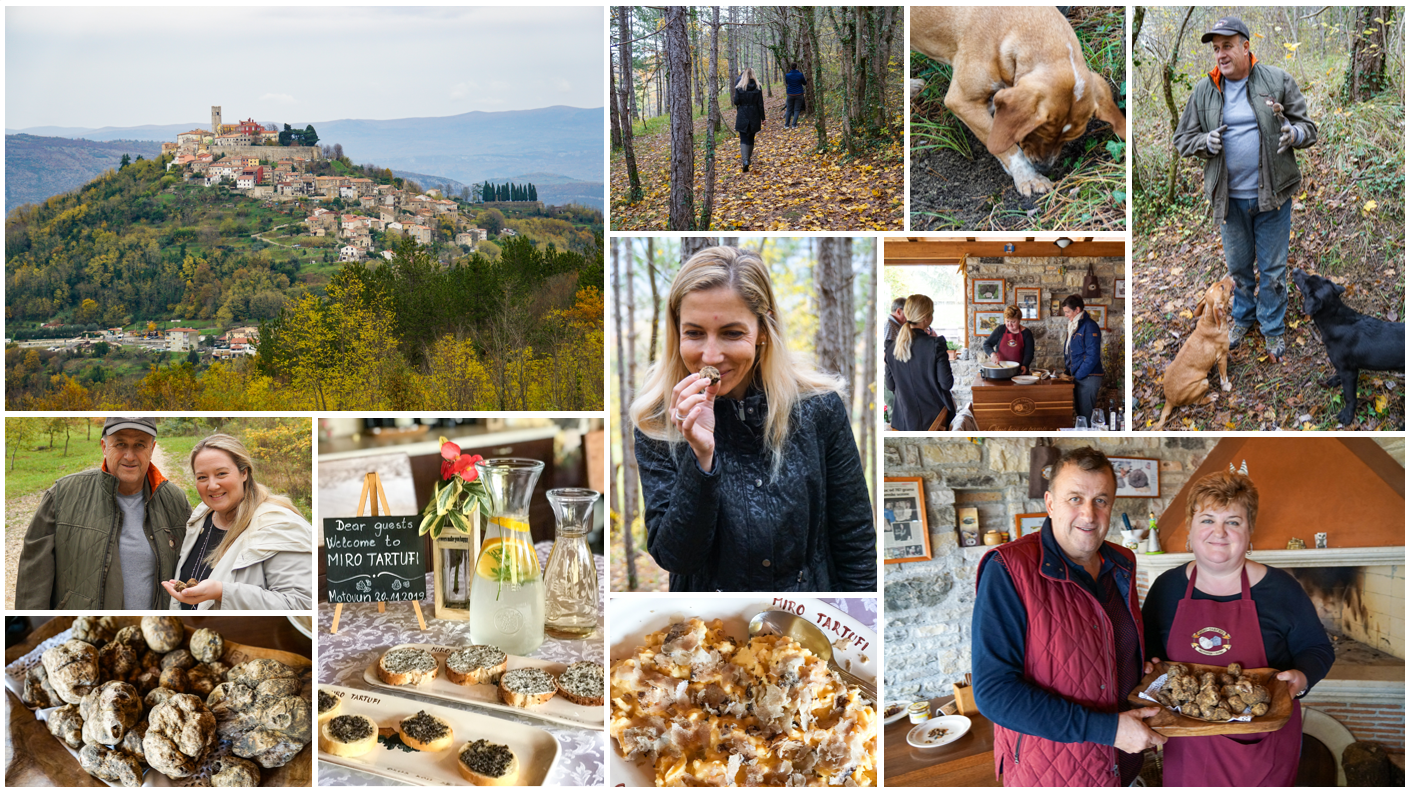
In November of 2019, Luxury Travel Designer Tia Lovisa Moreira, with Mirela Benic, our Tasteful Croatian Journeys Concierge, traveled through northern and eastern Croatian for site inspections. Site inspections are a critical part of what we do. Before we “propose” anything to our travelers, we personally explore, experience, test, taste, and only once it has met our approval, then we invite our travelers to join in the experience.
Part of their journey included the heart shaped peninsula of Istria. Istria is Croatia’s truffle capital, home to some of the world’s finest truffles. This valuable mushroom grows best in the Mirna River Valley and it can only be found with the help of trained dogs or domestic pigs during a “truffle hunt”.
The winter truffle (Tuber brumale) has the most intense aroma of all dark truffles.
The team was charged with the challenging task of participating in a truffle hunt with our dear friends at Miro Tartufi, Mrs. Mirjana and Mr. Miroslav Kotiga. The experience begins at their home situated at the base of the hill atop which the town of Motovun sits crowning its peak. After being welcomed with traditional Istrian brandies, Miroslav (Miro for short) leads the small group into the nearby forest together with his very well-trained dogs, Bella and Lila. The dogs run ahead, playing with sticks and jumping over logs until suddenly one catches a scent. Without hesitation they begin to dig. This signals Miro to approach the spot and gently unearth the valuable truffle – white in winter, black in summer. After about an hour’s walk in the forest at a leisurely pace, it is time to return home with the day’s bounty.
Upon arrival back at Miro and Mirjana’s home, guests are met with a sampling of gourmet truffle products such as truffle cheese, salami, oils and spreads as well as Istrian wine, Malvazija. Mirjana inspects the truffles found earlier – on this particular day, they had a most successful hunt – and as guests snack she begins a cooking demonstration. With eggs from local chickens, she delicately shaves truffle atop light, fluffy scrambled eggs, a classic Istrian specialty. For dessert, chocolate cake topped with truffle honey and more freshly shaved truffle offers the perfect finishing touch. In total, the experience takes roughly 3 hours.
We are so pleased to share this experience with you, and these photos captured on that day. Watch how lovingly the special tubers are handled by Chef Mirjana… watch my team forcing themselves to enjoy the special moment and unforgettable flavors. It is hard work, but someone has to do it.😉
I with my Tasteful Croatian Journeys team, invite you to be seduced by the flavors, the pleasures and the warm hospitality of the heart shaped peninsula that is of one of my favorite regions of Croatia.